Moscato: the grape family and the Italian denominations importers ask for
Wines Export Editorial · Last updated:
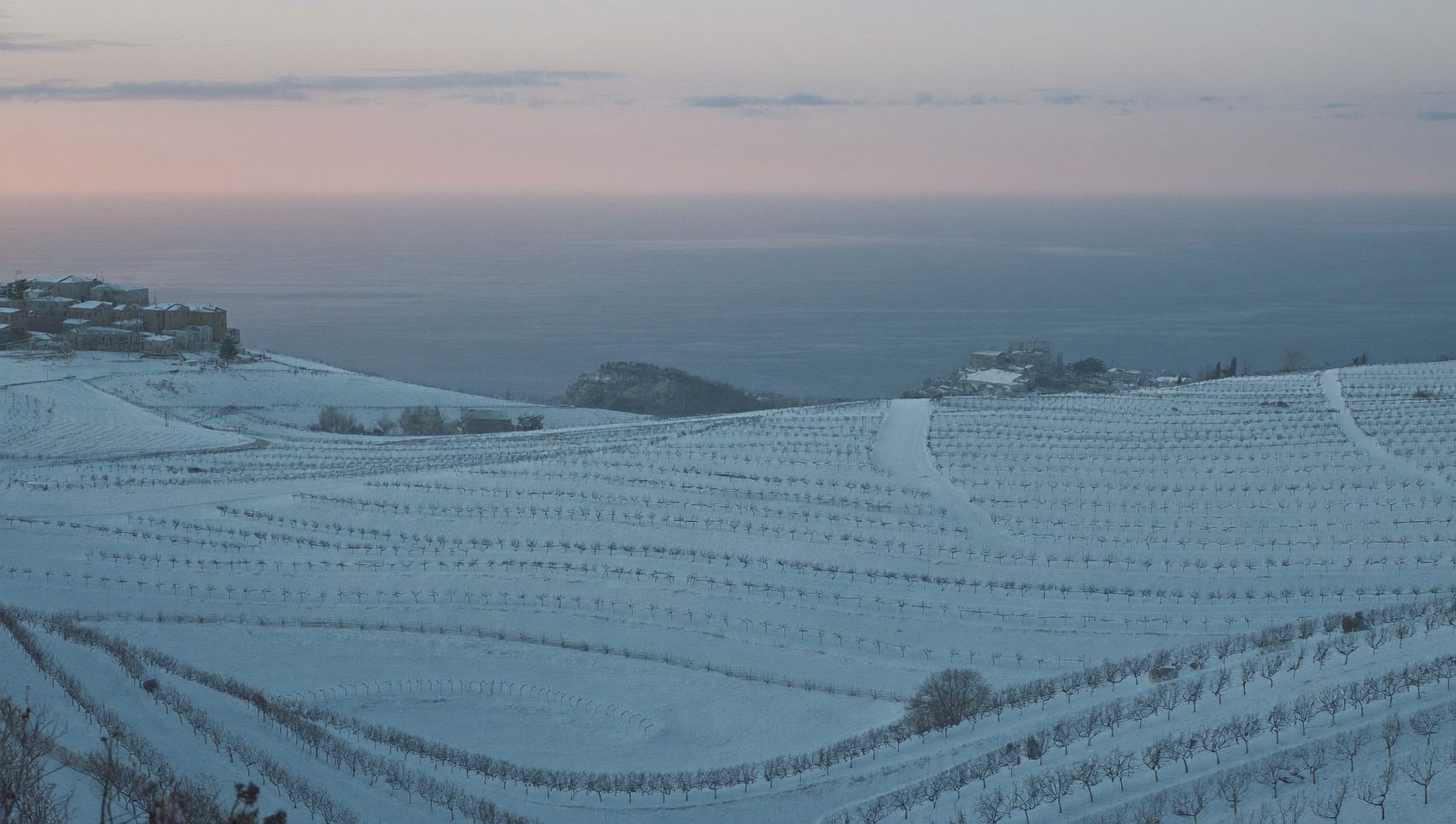
When a buyer says "Moscato", they may be referring to at least five different grapes: Moscato bianco, Moscato giallo, Moscato rosa, Moscato di Alessandria (called Zibibbo in Sicily) and Moscato d'Amburgo (Muscat of Hamburg), better known as a table grape. Before asking for a price, you need to choose the grape, the style (sweet, sparkling, sparkling or passito) and the denomination, because these three elements determine sugar, alcohol and type of closure. This page sets out the family and indicates which Italian denominations use the name. For details, please see the guide to Moscato bianco for export and the comparison between Asti DOCG and Moscato d'Asti.
Moscato bianco, giallo, rosa: the differences that matter
Moscato bianco is the grape on which the Consorzio dell'Asti builds its identity: the consortium's website presents it as the variety from which Asti Spumante and Moscato d'Asti are made. It is the variety to check first when an importer writes "Moscato" without further specification.
Moscato giallo and Moscato rosa are distinct varieties, and their names overlap in commercial language. The Masaf National Catalogue of Grapevine Varieties is used to verify the official name before writing it on a label or technical sheet. The Catalogue itself states that it is a documentation tool and that official acts prevail, so the binding reference remains the production specification (disciplinare) of the denomination.
Moscato di Alessandria, called Zibibbo in Sicily, is a different grape from Moscato bianco and produces wines with a different profile. The page dedicated to Zibibbo for export explains how to present it to a buyer who is not familiar with it.
Moscato d'Amburgo is not a reference wine grape for export. Anyone who finds it in a list of varieties should know that the name belongs to a table grape, and the page on Moscato d'Amburgo treats it separately.
The VIVC, the international grapevine variety catalogue created in 1984 at the Geilweilerhof Institute for Grapevine Breeding, describes about 23,000 cultivars, crossing lines and Vitis species. The database is useful for synonyms, because a German importer may find Moscato under a name different from the Italian one.
Sweet, dry, sparkling, sparkling, passito: the styles
Style does not depend on the grape name but on the denomination and the winemaking. Moscato bianco gives the sparkling wines of Asti and the frizzante wines of Moscato d'Asti, both with a sweet, aromatic profile that buyers easily recognise. The Consorzio presents Asti Spumante and Moscato d'Asti as the two flagship denominations of the territory.
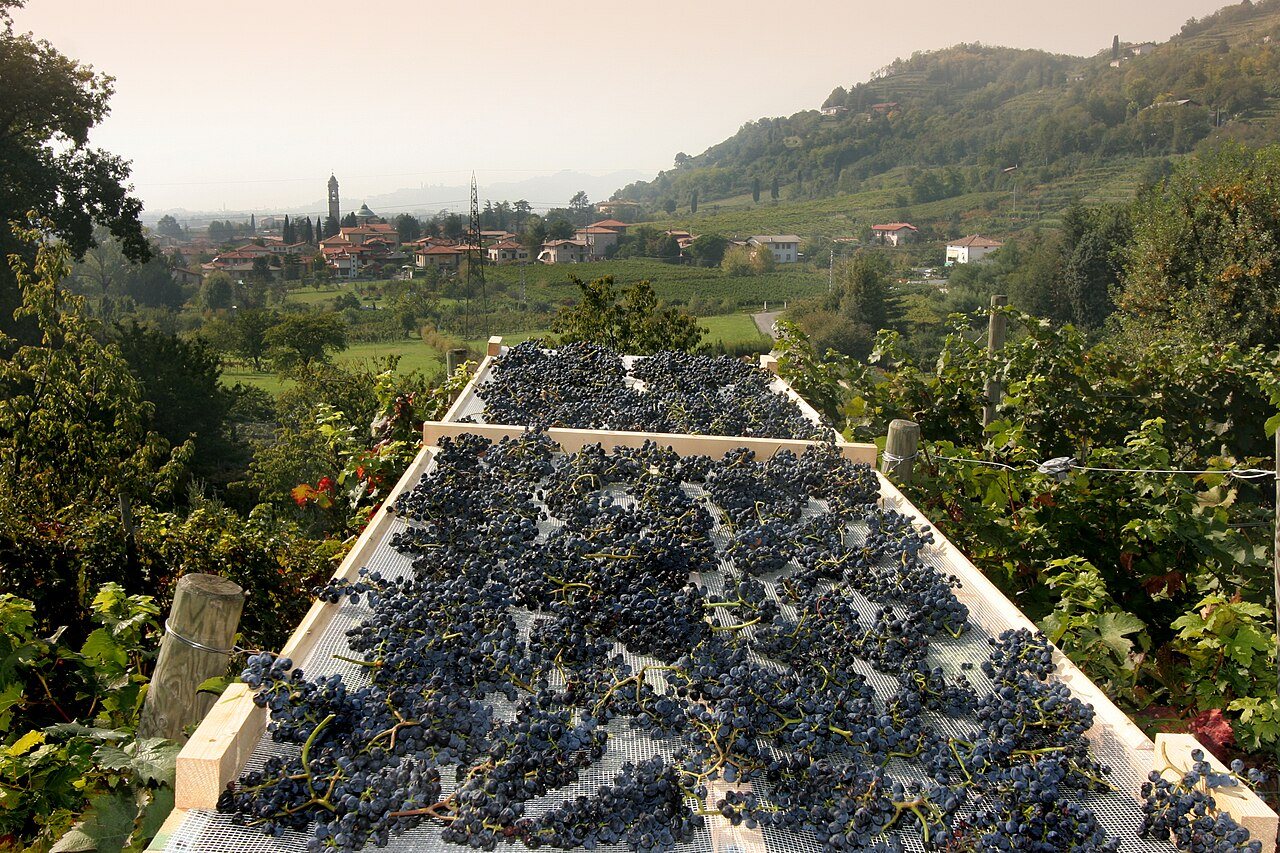
Passito is the style that changes the most. Moscato di Scanzo, in the province of Bergamo, is made from grapes dried before winemaking: the cover photo shows precisely the drying stage. The denomination is covered in the page dedicated to Moscato di Scanzo: what a foreign buyer should know.
Dry versions exist in some areas, but they are not the rule for Moscato. A dry wine made from aromatic grapes must be declared as such on the technical sheet, because the buyer compares it with the sweet profile expected from the name. If the winery does not state this clearly, the clarification should be requested before ordering, not after.
The Italian denominations that use the Moscato name
The most cited denominations are those from Piedmont. The Consorzio dell'Asti website lists Asti DOCG, Moscato d'Asti DOCG, Canelli DOCG and Strevi DOC, with the Langhe, Roero and Monferrato areas as the reference territory. Moscato d'Asti is not a separate DOCG: it is a type of the "Asti" DOCG, alongside Asti Spumante, under the same production rules (Asti DOCG disciplinare, art. 1). For Strevi, the Consorzio dell'Asti website does not state the style, so the buyer must ask the producer and verify it against the specification; Strevi is also a sub-zone of Asti for Moscato d'Asti and Asti Spumante (Asti DOCG disciplinare, art. 1, para. 2).
Masaf publishes the alphabetical list of DOP wines and the production specifications divided by letter. The recommended route for an importer is to start from that list, search for the denomination name and read the specification, which sets out permitted grapes, areas and types. The other names that include Moscato are listed in the table below, with the source where the style can be verified.
| Denomination | Style stated in the sources | Where to verify |
|---|---|---|
| Asti DOCG, Asti Spumante type | sparkling wine from Moscato bianco, pas dosé to sweet, at least 6% actual alcohol | Asti DOCG disciplinare, art. 6 |
| Asti DOCG, Moscato d'Asti type | sweet, at most lightly sparkling (max 2.5 bar), 4.5 to 6.5% actual alcohol | Asti DOCG disciplinare, art. 6 |
| Canelli DOCG | sweet, Moscato bianco only, 4.5 to 6.5% actual alcohol, max 2.5 bar, Riserva allowed | Canelli DOCG disciplinare, art. 1 and 6 |
| Strevi DOC | Style not stated on the Consorzio website | Consorzio dell'Asti DOCG |
| Moscato di Scanzo | Passito from dried grapes | Masaf list and specification |
| Moscato di Pantelleria | Zibibbo: Moscato from fresh grapes, Passito from sun-dried grapes | Masaf list and specification |
| Denominations in Trentino and the Colli Euganei | Style to be verified in the specification | Masaf list and specification |
How much territory Asti covers: areas and producers
The Consorzio dell'Asti reports for its territory 51 municipalities, 9,900 hectares of land and 3,000 producers. These figures refer to the area of Asti DOCG, not to Italian Moscato as a whole, and should be used as an order of magnitude for a single denomination. The same pages note that Langhe, Roero and Monferrato are recognised as a UNESCO World Heritage Site, an element that Northern European buyers often mention in presentations.
The National Catalogue of Varieties listed at the end does not report cultivated areas by grape variety: anyone looking for hectares of Moscato bianco, giallo or rosa should request them from official agricultural statistics or from the denomination's consortium.
What the export data show and what is missing
The topic of Moscato exports calls for figures by country, but the sources listed at the end do not contain them. Istat publishes foreign trade data in monthly releases: for September 2026, its page reports an estimated cyclical decrease in exports (-1.3%) and an extra-EU balance of +2,826 million euros. These are aggregate data for all goods, not for wine and even less for Moscato.
The Consorzio dell'Asti publishes news and awards, such as the results of the Sparkling Special 2026 by Falstaff, but its website does not include export volumes to the USA, Germany or Asia. An importer deciding on an order can ask the Consorzio or the winery for shipment data from the last year, which are more reliable than a generic estimate.
Price bands and positioning by style
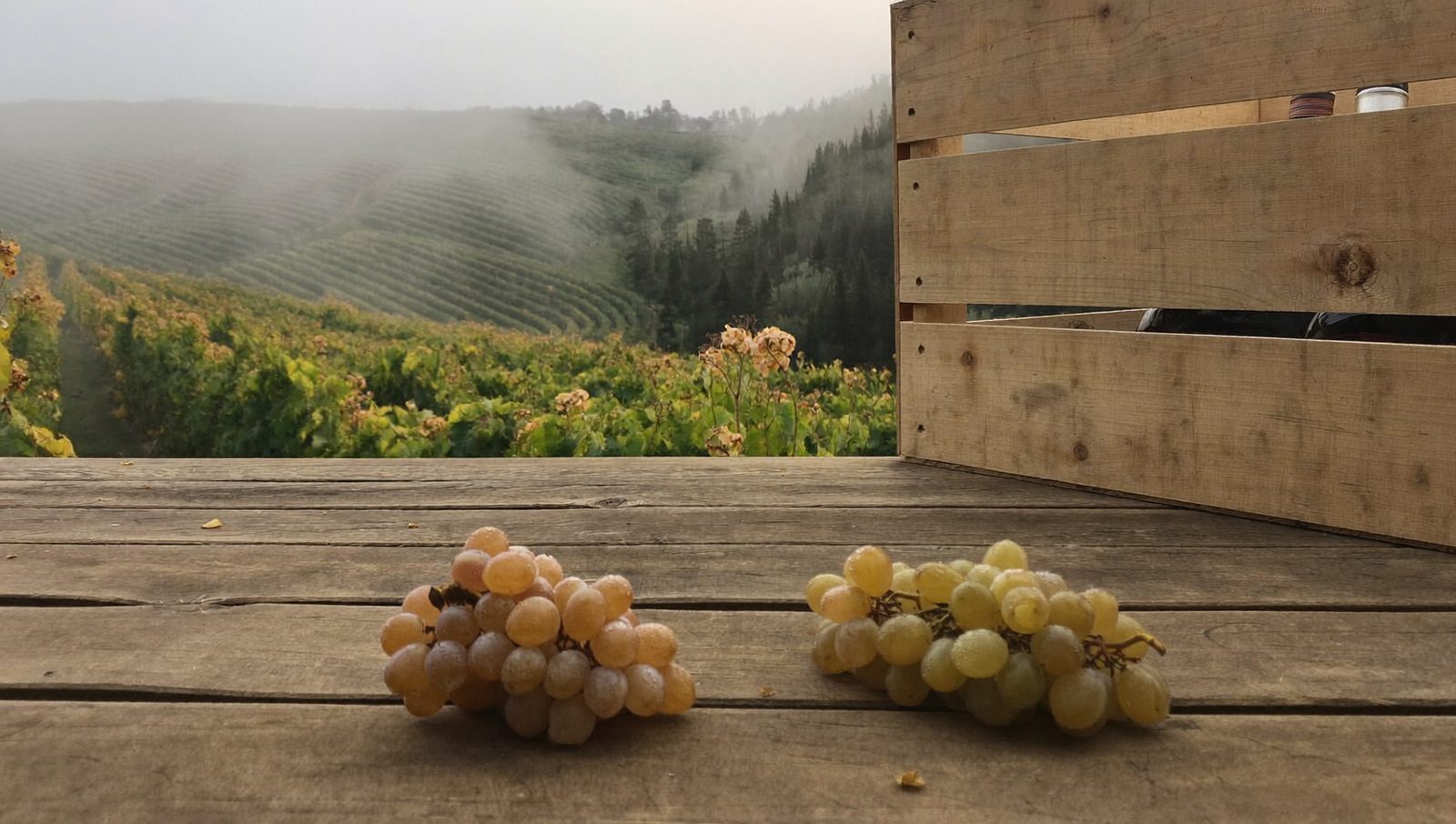
The sources listed at the end contain no prices by style or by denomination. Positioning depends on three variables: the denomination (which indicates the area and the history of the name), the style (sparkling, frizzante, passito) and the channel (wine shop, restaurant, retail). An Asti Spumante and a dried-grape passito compete on two different shelves, even when the buyer sells both as "sweet wine".
For the comparison of prices and alcohol levels between Asti DOCG and Moscato d'Asti, the page on Asti DOCG and Moscato d'Asti: differences, alcohol content and prices gathers the elements that buyers compare on the spec sheet.
What a Moscato importer asks for
The buyer asks for three things before anything else: residual sugar, declared alcohol and closure. Residual sugar must appear on the technical sheet, because Moscato is often sweet and the end customer compares it with desserts. Alcohol must be stated according to the denomination's specification, because a frizzante and a passito do not have the same status. The closure changes with the style: a sparkling wine has a different closure from a still wine, and the buyer needs to know which closure they are receiving.
The second point is the documentation of the denomination. If the winery declares a DOCG or a DOC, the importer asks for the specification and the reference to the register. Masaf sources allow the denomination to be checked before signing the contract.
The third point is the name of the grape on the label. A wine made from Moscato giallo or rosa cannot use the name "Moscato bianco" to attract those looking for that grape. The National Catalogue and the VIVC exist precisely to avoid this error, since they fix names and synonyms.
Those working with sweet Moscato should also consider the bottle type and the closure, because sparkling wine and passito require different packaging. The right choice is made with the winery and the shipping agent, starting from the technical sheet.
Frequently asked questions
Are Moscato bianco and Moscato giallo the same grape?
No, they are distinct varieties, but their names overlap in trade. The Masaf National Catalogue of Grapevine Varieties and the VIVC let you verify the official name and synonyms. This check should be done before writing the grape name on the label or technical sheet.
Is Moscato d'Asti a sweet wine?
Yes. Moscato d'Asti is a type of the "Asti" DOCG: the production rules describe it as sweet and aromatic, with actual alcohol between 4.50 and 6.50 percent, minimum total alcohol of 11.00 percent and an overpressure of no more than 2.5 bar (Asti DOCG disciplinare, art. 6). The full guide is in Moscato d'Asti DOCG.
Are Zibibbo and Moscato di Alessandria the same grape?
In Sicily, the most common name for Moscato di Alessandria is Zibibbo. For the buyer, the check is the same: the name should be verified in the variety register and in the specification of the denomination that uses it, such as Moscato di Pantelleria.
Sources
- National Catalogue of Grapevine Varieties, Masaf
- Consorzio dell'Asti DOCG, denominations and territory
- Asti DOCG disciplinare, consolidated text published by the Piedmont Region and Canelli DOCG disciplinare (AIS copy)
- VIVC, Vitis International Variety Catalogue
- Masaf, Lists and specifications of DOP and IGP wines
- Istat, Foreign trade
- Natural wine label rules in the EU: what you can write
- Moscato d'Asti vs Asti DOCG: Alcohol and Pressure
- Nero d'Avola: Grape, Sicilia DOC, Cerasuolo and Export
- Montepulciano Wine: Vino Nobile or Montepulciano d'Abruzzo?
- Non-Saccharomyces wine yeasts: uses and when to choose them
- Malolactic bacteria: strains, co-inoculation and white wines