«Organic» and «indigenous» wine yeasts on the market: what EU rules say and what it means
Wines Export Editorial · Last updated:
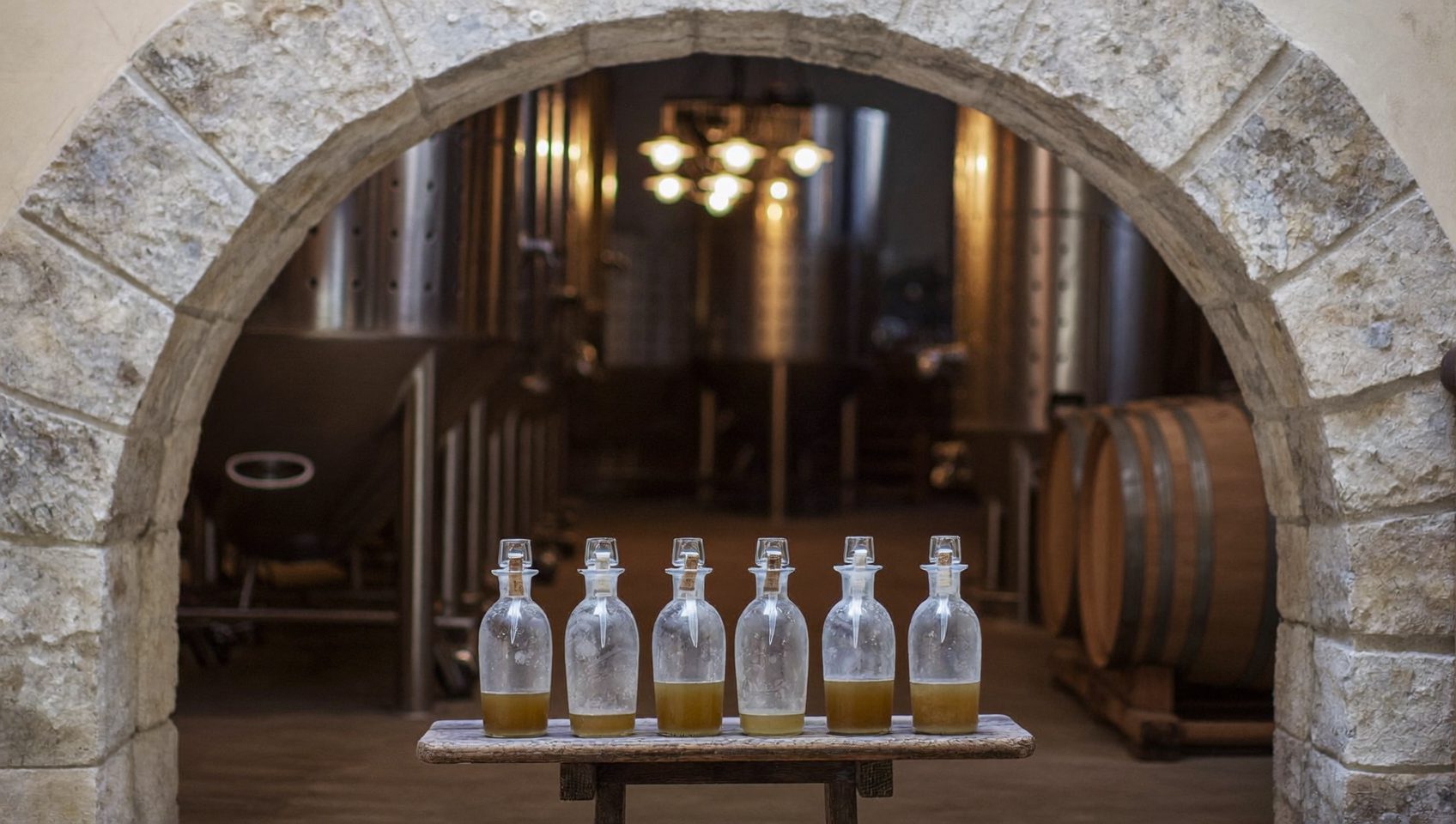
When a catalogue of wine yeasts carries the words «organic» or «indigenous», the terms have a precise meaning only in part. The EU regulation on organic production allows winemaking yeasts under defined conditions, and organic wine must be obtained from organic raw materials. The term «indigenous», by contrast, has no legal definition: on the market it usually refers to a strain isolated from a territory, characterised in the laboratory and then multiplied and sold as a selected product. Two different words, two different questions. This guide separates them and explains how to assess a local strain before using it in the cellar.
Organic yeast: what the regulation says
Regulation (EU) 2018/848, dated 30 May 2018, governs organic production. In its recitals it explains that organic wine must be produced entirely from organic raw materials, with only authorised products and substances added, and that certain winemaking practices, processes and treatments are prohibited in organic production. Yeast therefore falls among the products to be verified, not among the freely usable substances.
The winemaking practices permitted in the European Union are listed in Delegated Regulation (EU) 2019/934, of 12 March 2019. Its table of treatments also includes inactivated yeasts, with their own conditions of use. Winemaking yeasts have a separate entry among fermentation agents. For this reason the list must be read in the version in force, because changes arrive through delegated acts. In recent years too, Annex I has been updated through delegated acts.
A technical summary from a certification body presents winemaking yeast with the condition that, for a given strain, the organic version be used when it is available on the market. The practical reading is simple: the sachet labelled «organic» states that the product is certified as such, but does not say where the strain comes from, nor that it is local. Ask your supplier for the product certificate and confirmation that the batch you receive is the certified one.
One point many people confuse: organic wine is not natural wine. Organic yeast is therefore a choice of compliance, not a guarantee of style.
Selected indigenous yeast: how a local strain is developed
A selected indigenous yeast comes from a multi-step process. Colonies are isolated from grapes, musts or cellars in a given area, often from spontaneous fermentations. Each isolate is identified and tested for its fermentation capacity, its tolerance to alcohol and temperature, its production of aroma compounds and the presence of undesirable traits. Only some of the isolates pass the trials and become a strain to be multiplied. The selected strain is then preserved, produced in dry or liquid form and placed on the market with a technical data sheet.
The OIV International Code of Oenological Practices contains entries on inoculation with yeasts and on the use of inactivated yeasts, and in the cellar two routes are practically distinguished: fermentation with indigenous yeasts and inoculation with selected yeasts. Spontaneous fermentation relies on the flora present in the cellar, while selection introduces a strain chosen in advance. The word «indigenous» in a commercial name therefore indicates the origin of the isolate, not a guarantee that the wine will be more territorial.
Two requirements weigh on real-world use. The first is traceability: the strain must have a code, a data sheet and a production date. The second is the nature of the strain: the yeast must be a natural strain or one selected with conventional genetic improvement techniques, not GMO, as noted on the page dedicated to authorised winemaking practices.
For a deeper look at how selected and indigenous yeasts behave differently during fermentation, read the page selected and indigenous yeasts in wine fermentation. Choosing a strain is a technical decision that affects kinetics, profile and risks, and it should be made using the data from your own must.
Pied de cuve from your own grapes: the route without purchase
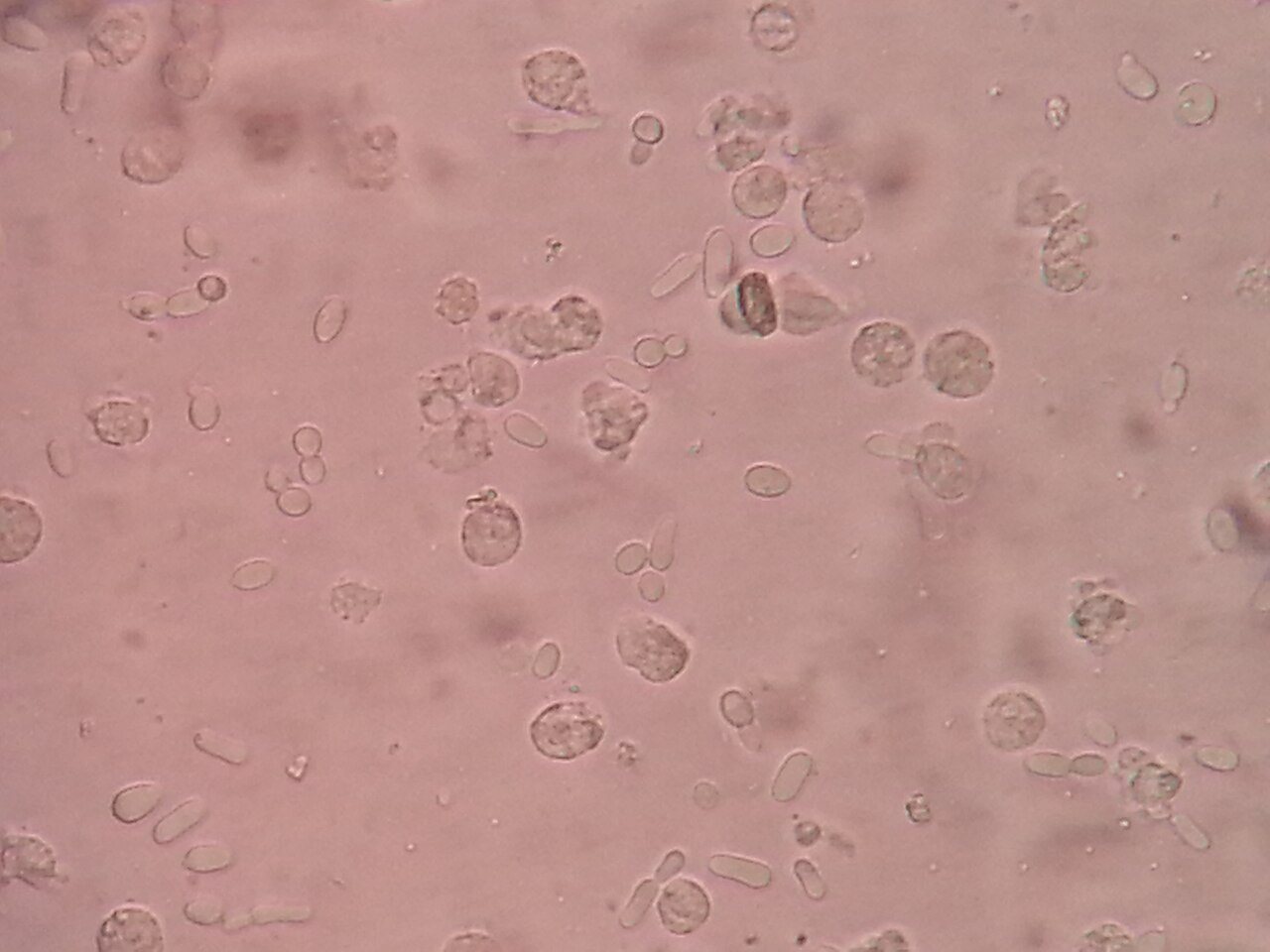
There is a third route, less visible on the market: the pied de cuve. It consists of preparing an inoculum starting from healthy grapes from your own cellar, letting them ferment in a small quantity until the yeast population is sufficient to start the winemaking. It is a method close to the idea of a local yeast, because the strain comes from your own vineyard and cellar.
The pied de cuve has concrete limits. It requires hygiene control, because a poorly managed fermentation favours contamination, and it requires time and space. In a winery with several wines and several batches, repeatability is difficult to guarantee. For a wine destined for export, repeatability matters as much as origin, because the buyer wants a consistent profile from one year to the next.
If you produce organic wine, check with your control body how to treat self-produced inoculum. The rules on the starting product remain those of Regulation 2018/848, and the choice must be documented in the cellar register.
| Route | Origin of the strain | Repeatability | Check to carry out |
|---|---|---|---|
| Commercial organic yeast | Strain isolated and selected by the supplier | High, with technical data sheet | Product certificate and batch |
| Selected indigenous yeast | Isolated from a territory, then selected | High, if the strain is stable | Documented origin, characterisation, data sheet |
| Pied de cuve from your own grapes | Vineyard and cellar of your own estate | Variable, depends on control | Process hygiene and records |
| Spontaneous fermentation | Flora present in the cellar and vineyard | Low | Microbiological controls and risk of deviations |
How to assess an indigenous strain
Before buying a local strain, ask your supplier three things. The first is provenance: from which vineyard, which vintage and which isolation procedure. A vague answer on origin is already a warning sign. The second is characterisation: which trials were carried out, on which musts, with what results for fermentation, alcohol tolerance and sensory profile. A data sheet that describes the strain with adjectives rather than measurable tests is of little use. The third is the cellar trial: a pilot batch on part of your own must, compared with a control fermentation as reference.
Assess the strain on your own data, not on the catalogue's. A yeast that performs well on a Sangiovese must in one cellar may behave differently on a Trebbiano with high sugar content. Record fermentation times, temperature, residual sugar, volatile acidity and sensory profile at the end of fermentation. Only then does the comparison become useful.
Also ask whether the strain has been verified for compatibility with the treatments you use, in particular with sulphur dioxide, because doses and timing change the effectiveness of yeasts. Finally, assess availability: a strain the supplier cannot guarantee over several vintages is not suitable for a wine you need to reproduce for foreign markets.
For a general overview of yeasts on the market and their families, consult the page on wine yeasts. For those working on an organic wine export project, the page on the organic and sustainable wine B2B market describes which documents importers ask for.
What to write (and not write) on the label and data sheet
On the label, yeast is not the point to highlight: before writing any reference to yeast, check with your certifier and with your labelling consultant. Avoid writing «vinified with indigenous yeast» as if it were a characteristic of the finished product. The organic claim on wine should be used only if the wine is certified organic and complies with the labelling rules of Regulation 2018/848.
In the wine's technical data sheet, by contrast, you can describe the process precisely: type of yeast, declared origin of the strain, practices used and treatments. Write what you can demonstrate. «Fermentation with a yeast selected from isolates of an area, chosen for alcohol tolerance» is a verifiable sentence. «The yeast gives the soul of the territory» is not.
Avoid using «indigenous» as a synonym for «natural» or «organic». The three terms describe different things. A strain can be indigenous and not organic, organic and not indigenous, or both. Every claim must hold up to the questions of an importer or an inspector.
Common mistakes
The first mistake is confusing product certification with wine certification. Yeast can be organic without the wine being organic, and vice versa. The second is buying a strain based on its name rather than its data sheet. A name that evokes the territory says nothing about its provenance. The third is changing strain every vintage without a comparison, losing the ability to understand what caused a sensory difference. The fourth is failing to record yeast use in the cellar register, which in Italy is the tool through which compliance with permitted practices is demonstrated.
A subtler mistake is treating the pied de cuve as if it were exempt from controls. A self-produced inoculum remains an enological practice that must be described, controlled and documented.
Frequently asked questions
Does an organic yeast make the wine organic?
No. The wine is organic if it complies with the entire process set out in Regulation 2018/848, from vineyard to cellar, and if it is certified. Yeast is only one of the components to be verified.
Does an indigenous yeast always guarantee a more territorial wine?
Not necessarily. A local strain can give good results, but its value depends on trials on your own must and on the stability of the strain over time. The choice should be made with cellar data.
Must the yeast appear on the label?
Yeast is not the central point of the label. It should be described in the wine's technical data sheet, in verifiable terms, and documented in the cellar register.
Can I use a pied de cuve in an organic wine?
Yes, if you comply with the rules of Regulation 2018/848 and if your control body accepts it. Check with your certifier how to document the process before you start.
Sources
- Pesticide-free wine: residues, testing and buyer demands
- Offida DOCG: Pecorino Wine, Passerina and Rosso
- Pinot Grigio delle Venezie DOC: Zone, Rules, Ramato, Export
- Non-Saccharomyces wine yeasts: uses and when to choose them
- PIWI resistant grape varieties: what and where allowed
- Nero d'Avola: Grape, Sicilia DOC, Cerasuolo and Export