Pesticide-free wine: what it really means, EU residue limits (MRL), multiresidue analysis, organic wine, and which importers and monopolies ask for a certificate
Wines Export Editorial · Last updated:
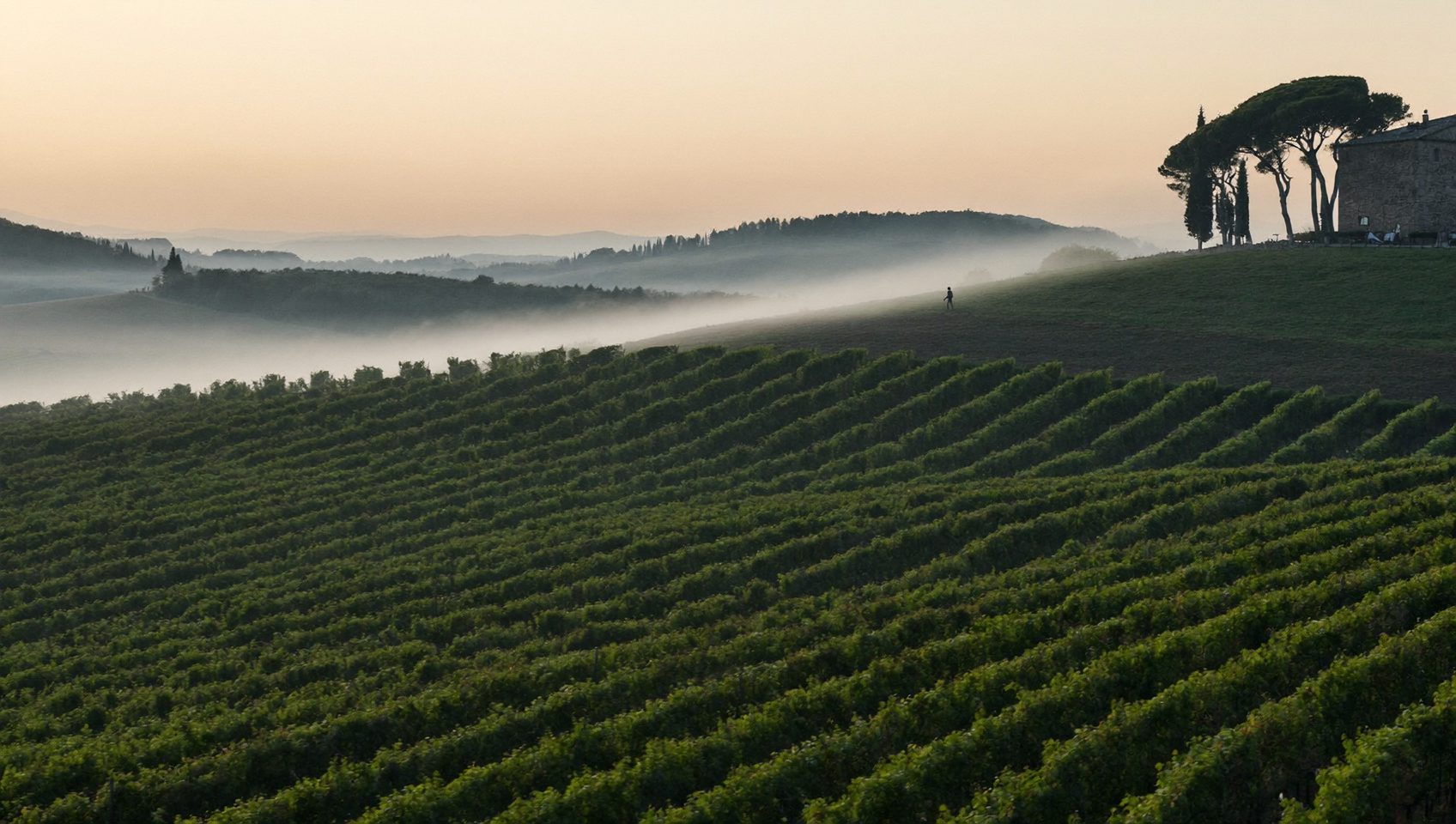
From a chemical and regulatory standpoint, the term "pesticide-free wine" does not correspond to a legally recognised category in the European Union. It refers instead to an analytical condition in which residues of plant protection products fall below the laboratory's limit of quantification (often described as "zero residue"). Any vineyard, even one managed without synthetic chemistry, can be exposed to diffuse environmental contamination or to spray drift from neighbouring fields. For wineries that export, the issue is not solved with a claim on the label, but with the ability to present international buyers and state monopolies with a multiresidue analysis certificate issued by an accredited laboratory. Understanding the difference between total absence, detection limit and Maximum Residue Levels (MRLs) allows you to answer the technical requests of foreign purchasing departments accurately and avoid customs or commercial disputes.
The short answer: what "no residues" really means
When an importer or a retail chain asks for a wine free of residues, in commercial practice they are requesting a lot in which chemical analysis detects no quantifiable traces of the molecules searched for. In analytical chemistry, absolute zero does not exist: every measuring instrument has a minimum threshold below which it cannot distinguish the molecule's signal from background noise.
This threshold is called the Limit of Quantification (LOQ). If a laboratory certificate reports "not detected" or "below LOQ" for a given active substance, it means that any presence of that molecule is too small to be measured with certainty by current equipment.
In B2B negotiations, presenting a wine as "pesticide-free" without supporting the claim with the corresponding test report exposes your winery to legal and reputational risks. Control authorities such as ICQRF (Central Inspectorate for the Protection of Quality and Repression of Frauds of Agri-food Products), which operates within the Italian Ministry of Agriculture, Food Sovereignty and Forestry (MASAF), constantly monitor the accuracy of voluntary claims and the compliance of products placed on the market.
MRLs: what the European regulation says about maximum limits
In Europe, the presence of traces of plant protection products in food and beverages is strictly governed by Regulation (EC) No 396/2005, which sets Maximum Residue Levels (MRLs) of pesticides in or on food and feed of plant and animal origin. For a general overview of the chemical rules applied to the wine sector, you can consult our article on analytical regulations and legal limits in wine.
A maximum residue level is not a direct toxicological danger threshold. It is the highest level of residue of an active substance that is legally tolerated when the plant protection product is applied correctly according to Good Agricultural Practice (GAP). The scientific risk assessment for consumers is entrusted to EFSA (European Food Safety Authority), headquartered in Parma, which provides independent scientific opinions to the European Commission before an MRL is set or modified.
EFSA constantly updates its parameters on the basis of new toxicological evidence. For example, the Authority regularly intervenes on complex degradation products, such as trifluoroacetic acid (TFA, a metabolite resulting from the breakdown of certain pesticides), reducing the exposure levels considered safe in the diet when new scientific studies emerge.
A key technical point for wineries is that Regulation (EC) No 396/2005 sets maximum limits directly on the raw agricultural commodity, namely wine grapes, and not on the bottled finished product. To move from the limit on grapes to the assessment of compliance in wine, laboratories and control bodies apply specific processing factors. During winemaking, many lipophilic molecules remain bound to skins and pomace and are removed with racking and fining, whereas hydrophilic molecules pass more easily into the must and then into the finished wine.
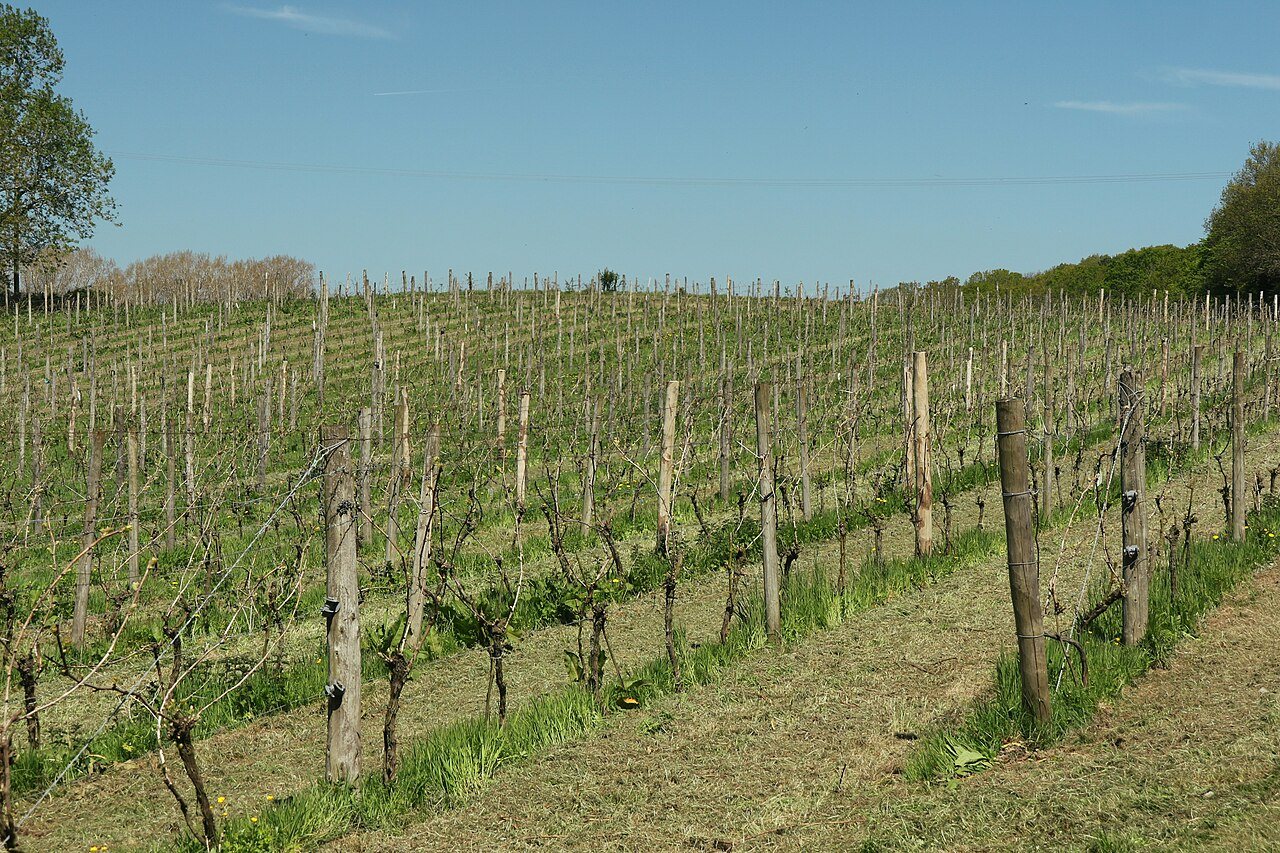
Multiresidue analysis: what the laboratory looks for in your wine
To verify the compliance of a lot intended for export, the operational tool requested by buyers is multiresidue analysis. It is an advanced analytical protocol, carried out by liquid or gas chromatography coupled with mass spectrometry (LC-MS/MS and GC-MS/MS), capable of simultaneously identifying hundreds of active substances and their metabolites in a single wine sample.
However, standard multiresidue screening does not cover every existing molecule. Some highly polar substances or those with particular chemical structures do not emerge in the generic test and require dedicated single analytical methods (called single-residue methods). If your importer has strict specifications, they will ask you to attach to the multiresidue screening a specific search for these molecules.
| Parameter or substance sought | Type of analytical method | Main origin in viticulture and winemaking |
|---|---|---|
| Synthetic fungicides and insecticides | Multiresidue screening (LC-MS/MS and GC-MS/MS) | Direct field treatments in the vineyard against downy mildew, powdery mildew, moths or leafhoppers |
| Phosphonic acid and phosphites | Specific method for polar compounds | Use of potassium phosphites, fosetyl-aluminium, or persistence in vine wood from previous vintages |
| Glyphosate and AMPA (its metabolite) | Specific single-residue method | Chemical weeding along the row or drift contamination from neighbouring agricultural plots |
| Phthalimides (e.g. folpet and metabolites) | Specific method or extension of the screening | Protective anti-downy mildew treatments carried out close to harvest |
| Chlorates and perchlorates | Specific method for ionic contaminants | Cellar washing water, residues of chlorine-based sanitising detergents or fertilisers |
When you commission analyses before a shipment, always make sure the laboratory is accredited under the international standard ISO/IEC 17025. Without the accreditation mark on the individual tests, many foreign monopolies and retail chains reject the document, forcing you to repeat sampling and delaying the departure of the goods.
Organic and residues: why they are not the same thing
A frequent misunderstanding among less experienced operators and final consumers is to take for granted that organic wine is automatically free of any chemical trace, or conversely that a conventional wine with no detectable residues is equivalent to an organic one. To learn how these products are positioned on foreign markets, you can read our guide to the B2B market for organic and sustainable wine for export.
European organic certification is a process certification, not an absolute analytical result: it certifies that your company applies organic farming standards, excluding synthetic plant protection products and using substances of natural or mineral origin (such as copper and sulphur), combined with preventive agronomic practices. On the technical differences in vineyard management, you can consult the page dedicated to integrated and organic plant protection in viticulture.
Nevertheless, even a certified organic wine can present problems in multiresidue analysis for three main reasons:
- Spray drift: if your organic vineyard borders an orchard, an arable field or another vineyard managed conventionally, wind can carry micro-droplets of treatment onto your grapes.
- Historical memory of the plant and soil: some substances, such as phosphonates deriving from old treatments with fosetyl-aluminium or foliar fertilisers used before conversion to organic, remain stored in the woody organs of the vine (roots and trunk) and can be released into the sap and grapes even several years later.
- Cross-contamination in the winery: if you vinify organic and conventional grapes in the same facility, partial washing of pipes, presses or tanks can transfer measurable traces from one batch to another, as can the use of unsuitable winemaking aids or detergents.
When a control body detects traces of non-permitted substances in an organic lot, an official investigation is opened to establish whether it is accidental and technically unavoidable contamination or fraudulent use, while the marketing under the organic label is blocked.
Who asks for the certificate: monopolies and retail chains
In international wine trade, requests for analysis of plant protection residues almost never come from customs of EU Member States (where the principle of free movement of goods compliant with EU MRLs applies), but arise from the private technical specifications of large B2B buyers and from the purchasing procedures of state monopolies.
The most demanding markets in this respect are the Northern European countries. Monopolies such as Sweden's Systembolaget manage acquisitions through public tenders for listings in the permanent range (Fast sortiment) and the temporary range (Tillfälligt sortiment). When your winery passes the blind sensory selection of a tender, before the final contract is signed or before the physical delivery of bottles, the monopoly requests the submission of chemical test reports on the exact bottling lot. To understand in detail how these tenders work and which documents to prepare, see our page on Nordic monopolies and Systembolaget, Vinmonopolet and Alko tenders.
Beyond the Scandinavian and Canadian monopolies, systematic requests for multiresidue analysis come from large supermarket chains in Germany, Switzerland, the Netherlands and the United Kingdom, especially when your winery supplies wine for their private label lines. Many of these chains apply internal standards stricter than Regulation (EC) No 396/2005:
- They require that each detected active substance does not exceed a reduced fraction (for example one third or one half) of the legal EU Maximum Residue Level.
- They set a cap on the maximum number of different molecules that may appear simultaneously in the same certificate (even if each one is individually below the legal limit), in response to consumer concerns about the so-called "cocktail effect".
- They carry out shelf sampling through independent laboratories and charge the supplier the costs of withdrawing the lot if values do not meet contractual agreements.
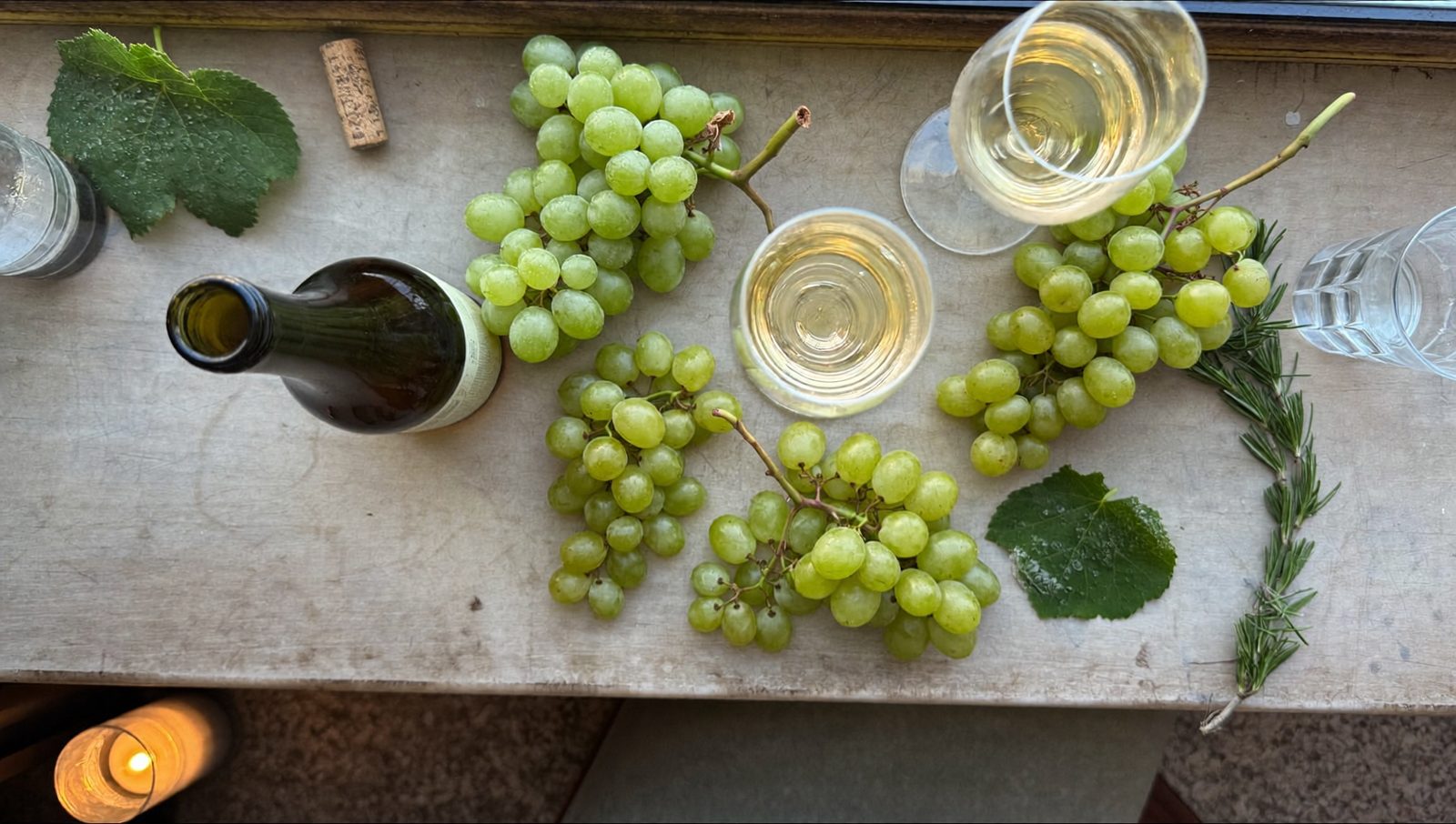
How to reduce residues in the vineyard and winery for export
If your commercial strategy targets monopolies, Northern European retail or importers specialised in sustainable wines, residue management must be planned from pruning through to bottling. It is not sufficient to respect the normal pre-harvest interval (the mandatory safety interval between the last treatment and harvest, stated on the plant protection product label), since the interval only guarantees that the residue falls below the legal MRL, but does not ensure it falls below the limit of quantification (LOQ).
To reduce analytical traces in the finished wine, agronomists and research centres, such as CREA (Council for Agricultural Research and Economics), study defence protocols that combine weather forecasting, genetics and precision techniques:
- Replacing active substances in the second part of the season: from fruit set and bunch closure onwards, it is advisable to stop using highly persistent systemic or translaminar molecules, switching to protective products, resistance inducers or biocontrol agents that degrade rapidly under sunlight and leave no chemical traces in the must.
- Managing buffer zones: if you have neighbours who treat conventionally, create physical barriers (hedgerows) or harvest the first border rows separately, directing those grapes to commercial lines that do not require zero-residue specifications.
- Calibrating sprayers: as also shown by modern mechanical equipment that combines canopy management (trimming and targeted defoliation of the bunch zone) with precision spraying, correct adjustment of anti-drift nozzles reduces the volumes used and makes the product penetrate only where needed, avoiding unnecessary build-up on the berries.
- Winemaking choices: in the cellar, static settling of white musts, targeted use of fining agents (such as bentonites, decolourising carbons where permitted, or vegetable proteins) and control of washing flows help retain and remove much of the lipophilic molecules that may remain on the skins at harvest.
Before sending samples for a tender or to a new distributor, always carry out a preliminary multiresidue analysis on the tanks you intend to use for that market. Arriving at the negotiating table with a certificate already prepared, clean and signed by an accredited laboratory shows foreign buyers that your winery has full technical control of its production chain.
Frequently asked questions
Can "pesticide-free" be written on the wine label?
Writing "pesticide-free" on the label is strongly discouraged and can be sanctioned as misleading advertising by control authorities such as ICQRF. If a company wants to highlight the absence of detectable traces, it must follow strict voluntary certification standards for "zero residue", which require specifying the analytical limits of quantification (LOQ) and the molecules tested.
Is organic wine always zero residue?
No. Organic wine certifies the cultivation and winemaking method, which prohibits the use of synthetic chemical substances. However, because of drift from treatments in neighbouring fields or the historical persistence of molecules such as phosphonic acid in vine wood, an organic wine may occasionally show measurable analytical traces in the laboratory.
Who sets the maximum residue levels (MRLs) for wine in Europe?
Maximum Residue Levels are established by the European Commission through Regulation (EC) No 396/2005 and its later updates, based on the scientific risk assessments carried out by EFSA (European Food Safety Authority). Legal limits are set on wine grapes, and specific processing factors apply to finished wines.
How long is a multiresidue analysis certificate valid for export?
The multiresidue analysis certificate refers exclusively to the specific production or bottling lot sampled. If you change vintage or blend a new batch creating a different lot code, importers and state monopolies will ask for an updated test report for that specific batch.
Sources
- Pinot Grigio delle Venezie DOC: Zone, Rules, Ramato, Export
- Organic and Indigenous Commercial Wine Yeasts: What They Are
- PIWI resistant grape varieties: what and where allowed
- Offida DOCG: Pecorino Wine, Passerina and Rosso
- Is Primitivo Sweet or Dry? Dolce Naturale DOCG and Sugar
- Non-Saccharomyces wine yeasts: uses and when to choose them