Nero d'Avola explained: the grape, Sicilia DOC rules, Cerasuolo di Vittoria, Eloro, Noto and export
Wines Export Editorial · Last updated:
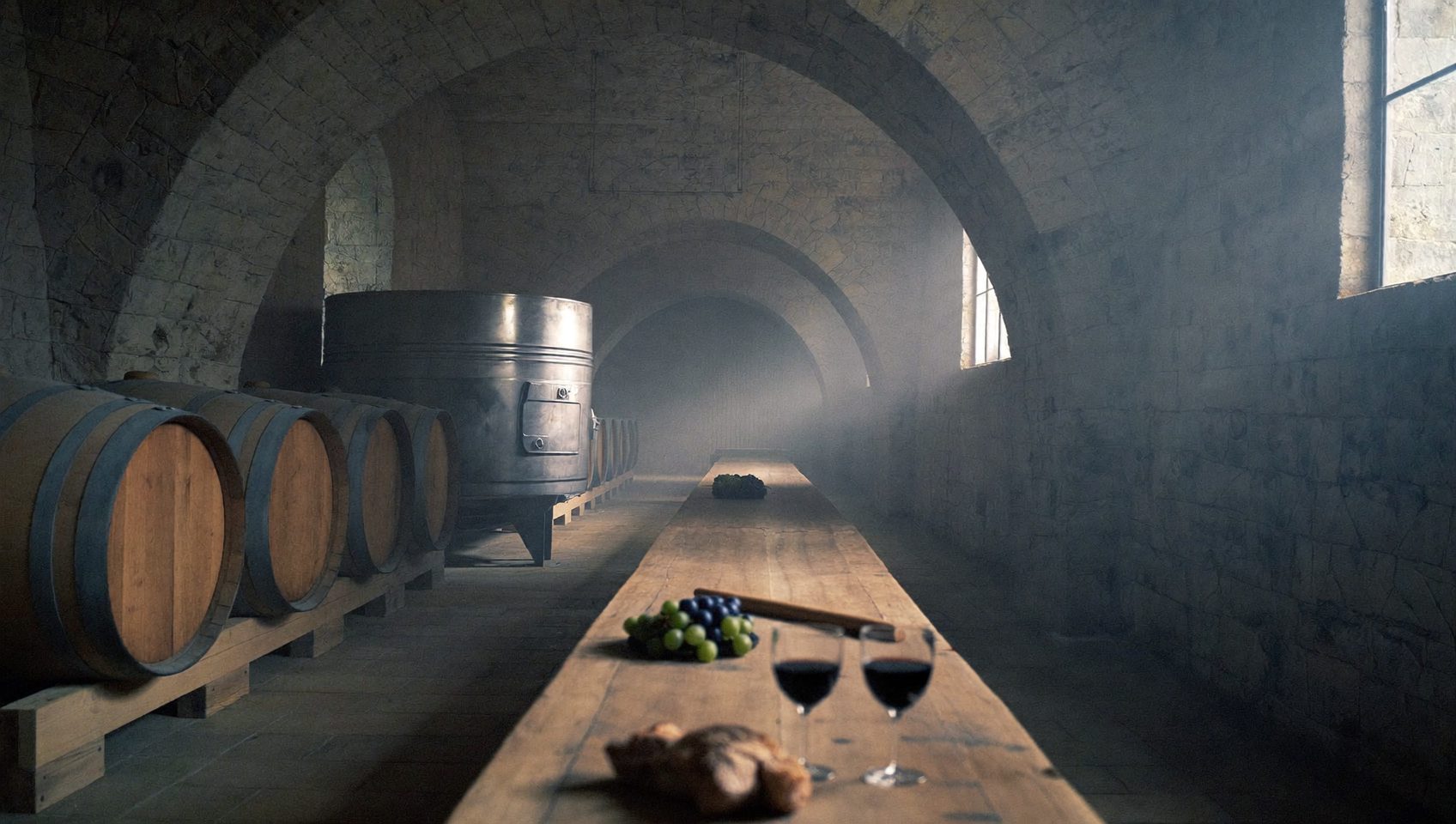
Nero d'Avola is the black grape that the Consorzio DOC Sicilia calls "the king of Sicilian grapes", grown in every wine area of the island; the international catalogue of grape varieties lists it under the prime name Calabrese, origin Italy, with Nero d'Avola among its synonyms (VIVC, variety no. 1986). On the label it appears mostly as Sicilia DOC Nero d'Avola: the rules require at least 85 percent Nero d'Avola grapes, a maximum yield of 14 tonnes per hectare and at least 12 percent alcohol, 13 percent for the Riserva (Sicilia DOC disciplinare, art. 2, 4 and 6). It also leads several local denominations: Cerasuolo di Vittoria DOCG, where it makes up 50 to 70 percent alongside Frappato, and the Vittoria, Eloro and Noto DOCs in south-eastern Sicily. Under Terre Siciliane IGP, by contrast, the grape name may not appear on the label (Terre Siciliane IGP disciplinare, art. 7, Gazzetta Ufficiale n. 158, 10 July 2025). In 2024 the Sicilia DOC bottled 38,872,512 bottles of Nero d'Avola, 6 percent fewer than in 2023, out of 81,976,712 bottles in total (Consorzio DOC Sicilia, figures presented at Sicilia en Primeur, April 2025).
This page is the full guide to the grape and its denominations, including what a buyer abroad should check. The wider picture of the island's wine is in exporting Sicilian wine; the Cerasuolo area is covered in wine from Vittoria and the province of Ragusa, the Eloro and Noto area in exporting wine from Siracusa, and the regional indication in Terre Siciliane IGP: scope and why importers ask for it.
What is Nero d'Avola and where does it come from?
Nero d'Avola is a black grape of Italian origin. The Vitis International Variety Catalogue lists it under the prime name Calabrese with 25 synonyms, including Nero d'Avola and Calabrese d'Avola; no parents are given (VIVC, variety no. 1986). The production rules use both names together: the Vittoria DOC has a type called "Vittoria Calabrese o Nero d'Avola" (Vittoria DOC disciplinare, art. 1).
On its origin the Consorzio DOC Sicilia is cautious. The variety is mentioned by Cupani in 1696, its origin remains uncertain, and it is linked to the old wines known as "Calabresi di Augusta" and "Vini di Vittoria". The name Calabrese is said to come from two old Sicilian words, "Calea" and "Aulisi", meaning grape of Avola, the place where it was first selected (Consorzio DOC Sicilia, I vitigni page). Avola is a town in the province of Siracusa and lies inside the Noto DOC zone (Noto DOC disciplinare, art. 3).
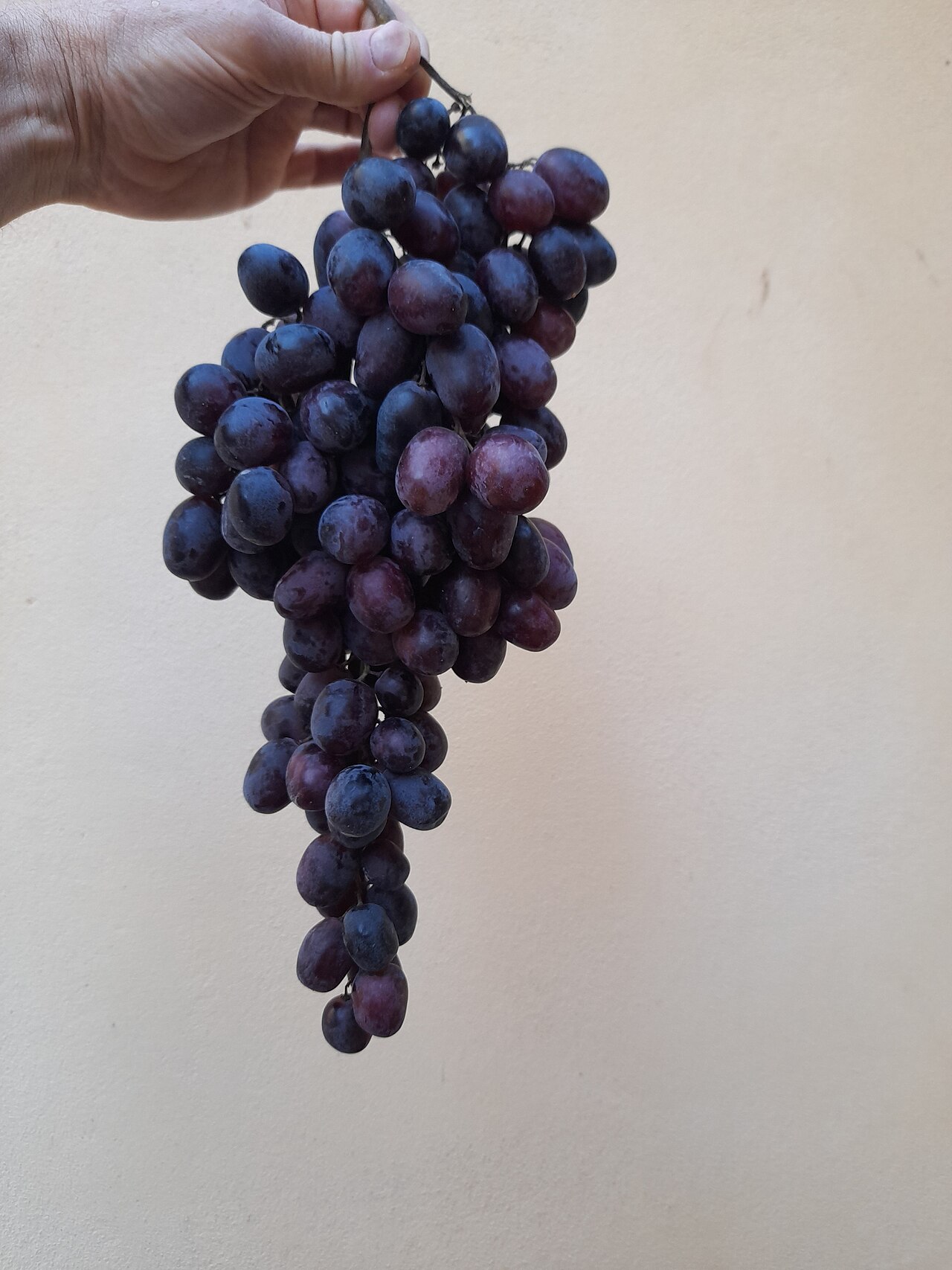
In the vineyard it is a vigorous plant with medium-large leaves, medium to large bunches and medium berries with a bloomy blue-black skin; it ripens mid-season (Consorzio DOC Sicilia, I vitigni). In the Eloro area the Nero d'Avola harvest starts around the middle ten days of September, before Frappato (Eloro DOC disciplinare, art. 8).
The Eloro rules add a piece of trade history. In the late nineteenth century the name Pachino meant the wine of Noto, Avola and Pachino made only from Nero d'Avola, much in demand in the south of France, which sent it on to the Gironde and Burgundy; after phylloxera, Nero d'Avola was grafted onto Riparia rootstock offered to growers (Eloro DOC disciplinare, art. 8). The Sicilia DOC rules date the start of high-quality Nero d'Avola reds to the 1990s and call the grape the undisputed protagonist of that new course, able to mark a wine even when blended with international varieties (Sicilia DOC disciplinare, art. 9).
What do the Sicilia DOC rules say about Nero d'Avola?
The Sicilia DOC covers the whole administrative territory of the Sicilian Region (Sicilia DOC disciplinare, art. 3). It began as an IGT in 1995 and became a DOC by ministerial decree of 22 November 2011; the latest amendments date from 27 August 2024 and 24 July 2025, and the consolidated text is published in Gazzetta Ufficiale n. 181 of 6 August 2025. For Nero d'Avola it provides six types: Nero d'Avola, rosato, vendemmia tardiva (late harvest), passito, riserva and spumante (art. 1).
| Rule | What the disciplinare requires | Source |
|---|---|---|
| Share needed to name Nero d'Avola on the label | at least 85 percent; the rest from other grapes of the same colour authorised in Sicily | art. 2, para. 2 |
| Label naming two grapes | only grapes of the two varieties named, in decreasing order and in type of the same size; the minor grape above 15 percent | art. 2, para. 3 |
| Sicilia Rosso without a grape name | Nero d'Avola, Frappato, Nerello Mascalese, Perricone, Syrah, Merlot, Cabernet Sauvignon and Nerello Cappuccio, alone or together, at least 50 percent | art. 2, para. 1 |
| Maximum grape yield | 14 tonnes per hectare for Nero d'Avola, rosato, riserva and spumante; 8 for late harvest and passito | art. 4, para. 5 |
| Minimum natural alcohol of the grapes | 12 percent; 13 for late harvest and passito; 10 for spumante | art. 4, para. 5 |
| Grape-to-wine yield and wine per hectare | 70 percent and 98 hectolitres; late harvest 60 percent and 48 hectolitres; passito 50 percent and 40 hectolitres | art. 5, para. 8 |
| New vineyards | vertical trellis or bush vines (alberello), at least 3,200 vines per hectare; DOC only from the third year after planting | art. 4, para. 3 and 11 |
| Bottling | in Sicily, with individual authorisations for firms that traditionally bottled elsewhere | art. 5, para. 1 |
| Vintage | compulsory, except for spumante | art. 7, para. 4 |
| Containers | glass up to 3 litres, Bordeaux, Burgundy and Rhine bottles up to 18 litres; food-grade containers of 2 to 6 litres, except for riserva, late harvest, passito, vigna and spumante; crown caps banned | art. 8 |
Minimum characteristics at release vary by type.
| Type | Minimum total alcohol | Minimum total acidity | Minimum dry extract | Taste |
|---|---|---|---|---|
| Sicilia Nero d'Avola | 12.00 percent | 4.5 g/l | 22.0 g/l | dry to off-dry (abboccato), full-bodied, harmonious |
| Nero d'Avola rosato | 12.00 percent | 4.5 g/l | 19.0 g/l | dry to off-dry, harmonious |
| Nero d'Avola riserva | 13.00 percent | 4.0 g/l | 24.0 g/l | dry to off-dry, full-bodied, harmonious |
| Nero d'Avola late harvest | 13.00 percent, at least 11.00 fermented | 4.0 g/l | 24.0 g/l | dry to sweet |
| Nero d'Avola passito | 18 percent, at least 11.00 fermented | 4.0 g/l | 32.0 g/l | dry to sweet |
| Nero d'Avola spumante | 11.50 percent | 5.0 g/l | 15.0 g/l | brut nature to extra dry |
Source: Sicilia DOC disciplinare, art. 6.
For the Riserva, ageing is counted from 1 November of the harvest year (art. 5, para. 14); the section on the link with the territory describes the riserva as a more structured red with ageing of no less than two years (art. 9). Varietal wines may include up to 15 percent of musts or wines from grapes of the same colour authorised in Sicily (art. 5, para. 5).
The name Sicilia may also appear as a larger geographical unit on the labels of other PDO wines of the island, when their own rules allow it (art. 7, para. 5); the Cerasuolo di Vittoria, Vittoria, Eloro and Noto rules all do (art. 7 of each). The 2025 amendment introduced additional geographical units, with Salemi in the province of Trapani as the first entry; this rule applies from the 2026/2027 wine year (disciplinare, art. 7, para. 6 and Annex A; decree of 24 July 2025, art. 2).
Which denominations is Nero d'Avola the protagonist of?
Outside the regional DOC, Nero d'Avola leads four denominations in the south-east. Their rules differ a great deal.
| Denomination and type | Nero d'Avola in the vineyard | Zone | Maximum grape yield | Minimum alcohol of the wine | Earliest release |
|---|---|---|---|---|---|
| Sicilia DOC Nero d'Avola | at least 85 percent | all of Sicily | 14 t/ha | 12.00 percent; Riserva 13.00 | no date set; Riserva ageing counted from 1 November |
| Cerasuolo di Vittoria DOCG | 50 to 70 percent, with Frappato 30 to 50 | parts of the provinces of Ragusa, Caltanissetta and Catania | 8 t/ha | 12.50 percent | from 1 June of the year after harvest |
| Cerasuolo di Vittoria Classico DOCG | as above | the area of the first recognition in 1973 | 8 t/ha | 12.50 percent | from 31 March of the second year after harvest |
| Vittoria DOC Calabrese o Nero d'Avola | at least 85 percent | the same zone as Cerasuolo | 10 t/ha | 12.00 percent | from 1 June of the year after harvest |
| Eloro DOC Nero d'Avola | at least 90 percent | Noto, Pachino, Portopalo di Capo Passero, Rosolini (Siracusa) and Ispica (Ragusa), wholly or in part | 11 t/ha | 12.00 percent | no date set |
| Eloro DOC Pachino | at least 80 percent, the rest Frappato and/or Pignatello | sub-zone around Pachino | 11 t/ha | 12.00 percent | from 1 April of the year after; Riserva after two years from 15 October, at least six months in wooden casks |
| Noto DOC Nero d'Avola | at least 85 percent | the municipalities of Noto, Rosolini, Pachino and Avola | 11 t/ha | 13.00 percent | no date set |
Sources: Sicilia DOC, Cerasuolo di Vittoria DOCG, Vittoria DOC, Eloro DOC and Noto DOC disciplinari, art. 2 to 6.
Cerasuolo di Vittoria DOCG. It became a DOC by decree of 29 May 1973 and a DOCG by ministerial decree of 13 September 2005; the latest amendment dates from 17 February 2020 (Cerasuolo di Vittoria DOCG disciplinare, header and art. 9). In the Ministry's list of DOCG production rules it is the only Sicilian DOCG. The wine is made from Nero d'Avola and Frappato, trained as bush vines or on a simple trellis, with at least 4,000 vines per hectare in new vineyards; the grapes must reach at least 12.50 percent natural alcohol, the yield in wine may not exceed 65 percent, or 52 hectolitres per hectare, and enrichment is banned (art. 4 and 5). Classico comes from the area mapped in 1973: the whole territory of Vittoria, Comiso, Acate, Chiaramonte Gulfi and Santa Croce Camerina and some districts of Niscemi, Gela, Caltagirone and Licodia Eubea (art. 3). It is sold only in glass up to 5 litres, with the vintage on the label (art. 8). Growers with vineyards registered for Cerasuolo may decide at harvest to claim the grapes as Vittoria DOC instead (art. 4).
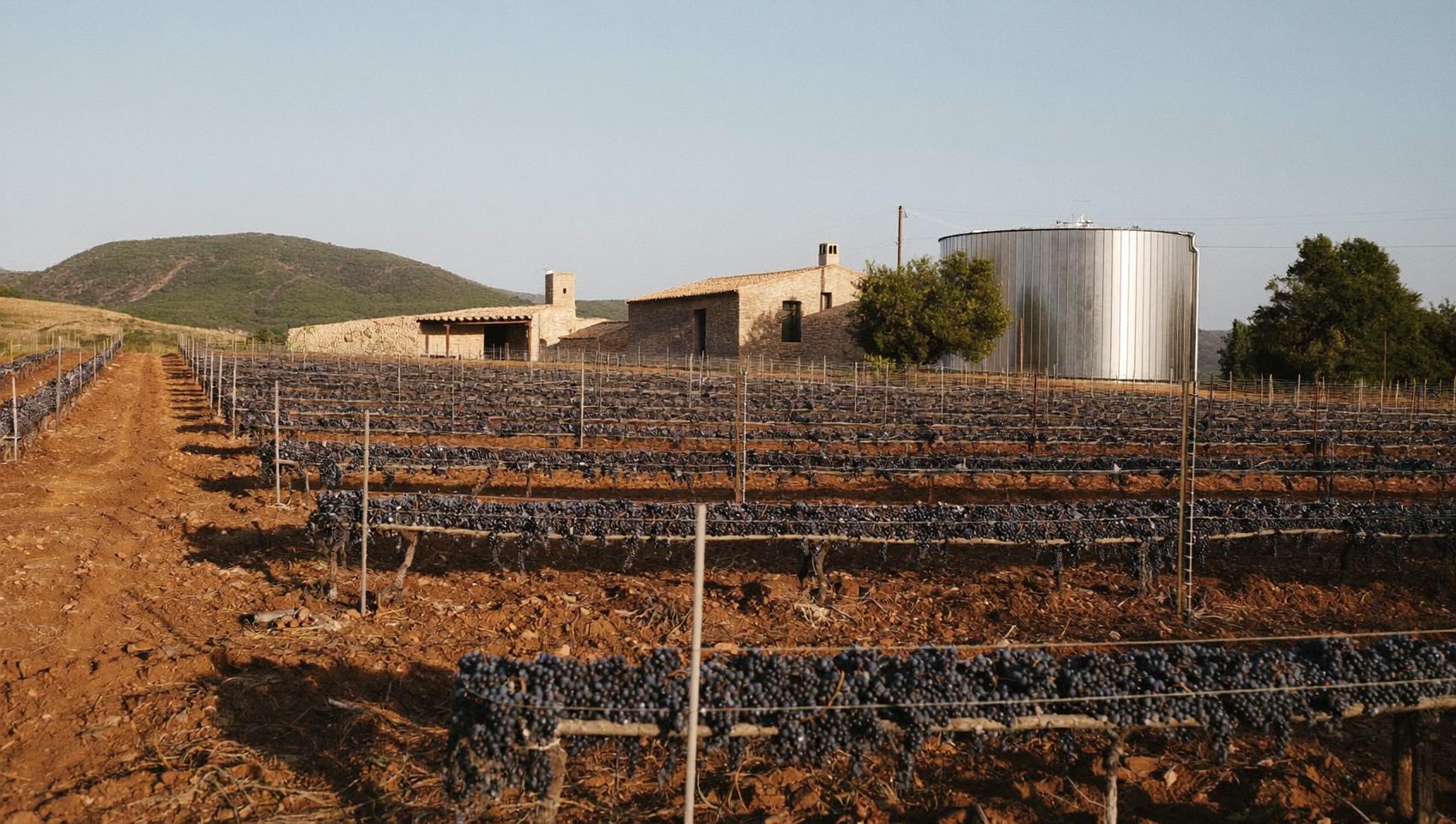
The rules describe a zone of about 124,500 hectares between the Erei mountains, the Iblei hills and the sea, divided into a coastal strip up to 200 metres, middle hills from 200 to 350 metres and high hills above 350; soils are mostly calcareous and annual rainfall runs from 385 to 499 millimetres. They also recall that Vittoria was founded in 1606 by Vittoria Colonna Henriquez, who gave each of the first settlers a hectare of land on condition that they planted another with vines, and that in 1860 exports of Vittoria wines reached 300,000 hectolitres (art. 9).
Vittoria DOC. It shares the Cerasuolo zone and was created by the same decree of 13 September 2005. Besides the varietal Calabrese o Nero d'Avola, it has a Vittoria Rosso with the same blend as Cerasuolo, 50 to 70 percent Nero d'Avola and 30 to 50 percent Frappato, which may be released from 30 March of the year after harvest (Vittoria DOC disciplinare, art. 2 and 5).
Eloro DOC. Recognised by decree of 3 October 1994, it is reserved for red and rosé wines from Nero d'Avola, Frappato and Pignatello, alone or together for at least 90 percent (Eloro DOC disciplinare, art. 2 and 8). The zone lies mostly between sea level and 300 metres, with average temperatures around 17.6 °C, among the highest in Sicily, and 300 to 400 millimetres of rain a year (art. 8). The Pachino mention and the grape name must appear immediately below the words "denominazione di origine controllata" (art. 7).
Noto DOC. It dates from 1974 and is also known for Moscato di Noto; for reds it has Noto Rosso, with at least 65 percent Nero d'Avola, and Noto Nero d'Avola, with at least 85 percent (Noto DOC disciplinare, art. 1 and 2). Bottles may hold up to 1.5 litres, up to 3 litres only in the Bordeaux shape, and crown caps are banned (art. 8).
Nero d'Avola also appears as a varietal type in other DOCs of the island, for example Alcamo ("Calabrese o Nero d'Avola"), Contessa Entellina and Delia Nivolelli (Masaf disciplinari). The wine of the Vittoria area is described in wine from Vittoria and the province of Ragusa.
Why can't a Terre Siciliane IGP be called Nero d'Avola?
Because its rules forbid it. Terre Siciliane IGP allows one or more grape varieties authorised in Sicily to be named on the label, with at least 85 percent for a single variety, but expressly excludes Grillo and Calabrese with its synonym (Terre Siciliane IGP disciplinare, art. 2, para. 2 and 3). The same text bans the name Nero d'Avola even in optional information on the grape base (art. 7, para. 3). The text in force is the one approved by decree of 24 June 2025 (Gazzetta Ufficiale n. 158, 10 July 2025).
In practice a red from Nero d'Avola grapes may be sold as Terre Siciliane IGP Rosso, but without the grape name. A wine with "Nero d'Avola" on the label needs a DOC or the DOCG. A price list or technical sheet that offers "Nero d'Avola IGP" is wrong. The difference between the two is explained in Terre Siciliane IGP.
What does Nero d'Avola taste like and how is it served?
The legal description of Sicilia DOC Nero d'Avola: ruby red, sometimes deep; a delicate, characteristic, fruity nose, sometimes spicy; dry to off-dry, full-bodied, harmonious. The Riserva turns towards garnet with age (Sicilia DOC disciplinare, art. 6). The Consorzio adds deep ruby colour, fruity, floral and spicy notes, tannic and full-bodied wines with balanced acidity and softness, and notes that the wines change with the growing area (Consorzio DOC Sicilia, I vitigni).
The local denominations describe different styles:
| Wine | Colour | Nose | Palate | Source |
|---|---|---|---|---|
| Cerasuolo di Vittoria | cherry red to purple | floral to fruity | dry, full, soft, harmonious | Cerasuolo di Vittoria DOCG disciplinare, art. 6 |
| Cerasuolo di Vittoria Classico | cherry red turning garnet | cherry; in aged wines dried plum, chocolate, leather, tobacco | dry, full, soft, harmonious | Cerasuolo di Vittoria DOCG disciplinare, art. 6 |
| Vittoria Calabrese o Nero d'Avola | ruby red, sometimes with purple tints | floral to fruity | dry, warm, robust, soft | Vittoria DOC disciplinare, art. 6 |
| Eloro Pachino | intense ruby garnet, brick-red tints after ageing | intense, musky, generous | full-bodied, tannic, velvety finish | Eloro DOC disciplinare, art. 6 |
| Noto Nero d'Avola | ruby red, sometimes with violet or garnet tints | clean, intense | savoury, fairly tannic, fresh | Noto DOC disciplinare, art. 6 |
One point not to miss: the Sicilia DOC rules allow a Nero d'Avola that is "dry to off-dry" (art. 6). If a technical sheet only says "dry red", the residual sugar of the lot must confirm it.
The production rules set no serving temperatures; producers' sheets do. Two examples from the same winery: for a Sicilia DOC Nero d'Avola aged in tank and then in bottle, Duca di Salaparuta gives 14 to 16 °C and suggests red meat, roasts and medium-aged cheeses; for a Nero d'Avola blended from wines aged at least 10 months in oak and wines aged in concrete, it gives 16 to 18 °C, with meat and cheese (Duca di Salaparuta technical sheets). Each winery's sheet should state the temperature for its own wine.
Riserva and ageing: what the rules require
The rules set few ageing periods, and most concern the local denominations. Basic Sicilia DOC Nero d'Avola has no minimum release date; the Riserva needs at least 13 percent alcohol and ageing counted from 1 November of the harvest year (Sicilia DOC disciplinare, art. 5 and 6). Cerasuolo di Vittoria may be released from 1 June of the year after harvest, the Classico from 31 March of the second year (Cerasuolo di Vittoria DOCG disciplinare, art. 5). Eloro Pachino Riserva needs two years from 15 October of the harvest, at least six months of them in wooden casks (Eloro DOC disciplinare, art. 5).
In practice, a 2024 Cerasuolo di Vittoria Classico cannot be sold before 31 March 2026, and a 2024 Eloro Pachino Riserva not before 15 October 2026.
How much Nero d'Avola does the Sicilia DOC produce?
The figures come from the Consorzio and cover the Sicilia DOC only; the local DOCs and the DOCG are not included.
| Figure | 2023 | 2024 | 2025 | Source |
|---|---|---|---|---|
| Bottles of Nero d'Avola Sicilia DOC | 41,270,927 | 38,872,512 (down 6 percent) | not published by grape | Consorzio, Sicilia en Primeur 2025 |
| Bottles of Grillo Sicilia DOC | 23,479,237 | 24,809,484 (up 6 percent) | not published by grape | Consorzio, Sicilia en Primeur 2025 |
| Bottles of Sicilia DOC, all wines | 85,584,579 | 81,976,712 (down 4 percent) | 76,039,323 | Consorzio, Sicilia en Primeur 2025 and Consorzio website |
| Hectares claimed | 22,528 | not given | 22,259.25 | Consorzio, Sicilia en Primeur 2025 and Consorzio website |
In 2024 Nero d'Avola therefore accounted for just under half of the denomination's bottles (calculated from the Consorzio's figures). In Italy, supermarkets and other large retailers sold 12,035,319 bottles of 0.75 litres of Nero d'Avola Sicilia DOC, 1 percent more than in 2023, for 37.5 million euros (Consorzio, Sicilia en Primeur 2025).
Buying Nero d'Avola abroad: markets and importers
Recent years have been difficult for Sicilian PDO reds. The Nomisma Wine Monitor and UniCredit observatory on Sicily, presented at Sicilia en Primeur 2025, recorded exports down 4.5 percent in 2023 and 2.9 percent in 2024, while PDO whites grew 7.8 and 8.9 percent. In 2024 the reds grew in Canada (up 22 percent), Russia (up 17) and the United States (up 6) (Winemag, 4 May 2025).
The Consorzio DOC Sicilia has run promotion in non-EU markets since 2014: the United States from the 2014/2015 season, Canada from 2019/2020 and the United Kingdom from 2020/2021; since 2017 its EU projects have focused on Italy and Germany (Consorzio, Sicilia en Primeur 2025). In 2025 it took the DOC's wines into stores of the Ontario (LCBO) and Québec (SAQ) monopolies, ran a road show in the United States, where a survey of trade professionals named Sicily the Italian wine region with the strongest growth prospects, and made its debut in Japan at FOODEX and in Tokyo, with the emphasis on white wines (Consorzio DOC Sicilia, 2025 event news).
For an importer this points to several routes. North America is where Sicilian red is growing and where the Consorzio has worked longest: wine importers in the United States, US wine importers and what they need, wine importers in Canada and Italian wine suppliers in Canada. The United Kingdom and Germany are the other markets where the Consorzio promotes the denomination: wine importers in the United Kingdom and wine importers in Germany. In Japan the DOC has only just arrived: wine importers in Japan. All markets are on the wine importers by country hub.
Before listing a Nero d'Avola, check five points on the technical sheet:
- the share of Nero d'Avola fits the denomination: at least 85 percent for Sicilia, Vittoria and Noto, 90 for Eloro, 50 to 70 for Cerasuolo;
- the denomination is stated correctly: there is no such thing as a "Nero d'Avola IGP";
- alcohol and release date comply, especially for Cerasuolo, Cerasuolo Classico and Eloro Pachino;
- size and closure are allowed: no crown caps, no 2 to 6 litre containers for the Riserva;
- the sheet says whether the wine is dry or off-dry, since the Sicilia DOC allows both.
Frequently asked questions
Are Nero d'Avola and Calabrese the same grape?
Yes. The VIVC catalogue lists the variety under the prime name Calabrese with Nero d'Avola among its synonyms, and Sicilian production rules use "Calabrese o Nero d'Avola" (VIVC, variety no. 1986; Vittoria DOC disciplinare, art. 1).
How much Nero d'Avola must a Sicilia DOC Nero d'Avola contain?
At least 85 percent; the rest may come from other black grapes authorised in Sicily. The wine must reach at least 12 percent alcohol, 13 for the Riserva (Sicilia DOC disciplinare, art. 2 and 6).
What is the difference between Cerasuolo di Vittoria and Sicilia DOC Nero d'Avola?
Cerasuolo di Vittoria is a local DOCG made from 50 to 70 percent Nero d'Avola and 30 to 50 percent Frappato, with a yield of 8 tonnes per hectare, at least 12.50 percent alcohol and release from 1 June of the year after harvest. Sicilia DOC Nero d'Avola comes from the whole island, with at least 85 percent Nero d'Avola and a yield of 14 tonnes (Cerasuolo di Vittoria DOCG and Sicilia DOC disciplinari, art. 2, 4, 5 and 6).
Can Nero d'Avola appear on a Terre Siciliane IGP label?
No. The Terre Siciliane IGP rules exclude Calabrese and its synonym Nero d'Avola from the grape specification and ban the name even in optional information (Terre Siciliane IGP disciplinare, art. 2 and 7).
Is Nero d'Avola a dry wine?
Usually, but the Sicilia DOC allows a Nero d'Avola from dry to off-dry, and the late-harvest and passito types may be sweet (Sicilia DOC disciplinare, art. 6). Cerasuolo di Vittoria is always dry (Cerasuolo di Vittoria DOCG disciplinare, art. 6).
How many bottles of Nero d'Avola does the Sicilia DOC produce?
In 2024 the Consorzio counted 38,872,512, 6 percent fewer than in 2023, out of 81,976,712 bottles for the whole DOC (Consorzio DOC Sicilia, Sicilia en Primeur 2025).
Sources
- Masaf, lists and production rules of Italian PDO and PGI wines
- Gazzetta Ufficiale n. 181 of 6 August 2025, decree of 24 July 2025 and consolidated Sicilia DOC disciplinare
- Gazzetta Ufficiale n. 158 of 10 July 2025, decree of 24 June 2025 and consolidated Terre Siciliane IGP disciplinare
- Cerasuolo di Vittoria DOCG disciplinare (copy hosted by AIS)
- Vittoria DOC disciplinare, Eloro DOC disciplinare and Noto DOC disciplinare (copies hosted by AIS)
- Consorzio di Tutela Vini DOC Sicilia, 2025 figures and I vitigni page
- Consorzio DOC Sicilia, slides from the Sicilia en Primeur press conference, 14 April 2025
- Consorzio DOC Sicilia, 2025 event news: United States, Canada and Japan
- VIVC, Vitis International Variety Catalogue, Calabrese passport no. 1986
- Winemag, 4 May 2025, Sicilia en Primeur 2025: exports and Sicilian PDO reds
- Duca di Salaparuta technical sheets: Sicilia DOC Nero d'Avola and Colomba Platino Nero d'Avola
- Non-Saccharomyces wine yeasts: uses and when to choose them
- Natural wine label rules in the EU: what you can write
- Offida DOCG: Pecorino Wine, Passerina and Rosso
- Moscato Grape Varieties and Italian DOCs for Importers
- Organic and Indigenous Commercial Wine Yeasts: What They Are
- Moscato d'Asti vs Asti DOCG: Alcohol and Pressure