PIWI Resistant Grape Varieties Resistant to Downy and Powdery Mildew: What They Are and Where They Are Permitted Under Italian DOCs
Wines Export Editorial · Last updated:
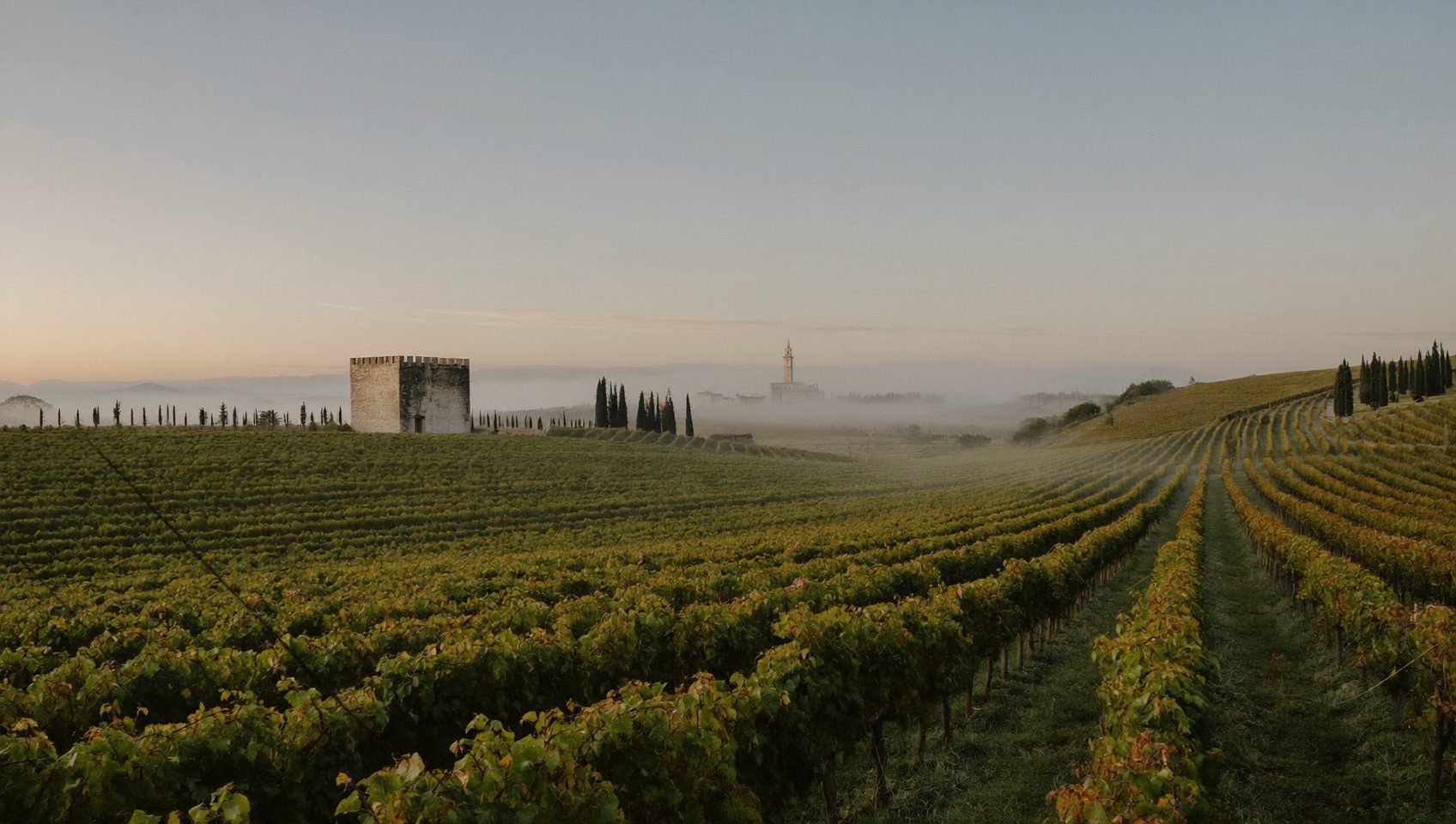
PIWI grape varieties are vines bred by crossing European vines (Vitis vinifera) with species of American or Asian origin, selected to resist downy mildew and powdery mildew without the synthetic treatments that traditional varieties require in large numbers. The acronym comes from the German «Pilzwiderstandsfähige Rebsorten», meaning fungus-resistant grape varieties, and it is the name used by the association PIWI International to promote them. For a winery, there are two practical questions: how much work in the vineyard is reduced, and whether the variety is permitted in the wine regulations of the designation where you want to sell. This article addresses both, with a check to carry out before planting or writing the name on a label, and refers to mass selection for resilient vineyards for producers already working with plant material.
What PIWI means and how resistant varieties are developed
Selection work starts with crosses. The European parent brings known winemaking qualities, the resistant parent brings defence against fungi, and the offspring are evaluated in the field for years before becoming a commercial variety. The process is not quick, which is why the PIWI varieties available today have different selection histories, with aromatic qualities and yields that vary considerably from one to another.
PIWI International, the association that promotes these varieties, states that wine made from PIWI grapes has a lighter environmental footprint than conventional viticulture. In its materials it lists lower energy consumption, reduced CO₂ emissions, less pressure on the soil and lower production costs. These are claims made by the association, not independent measurements of a single vineyard: if you use them with an importer, present them as the position of those who promote the varieties, and bring data from your own land.
One point to clarify immediately: PIWI varieties are not immune. They resist downy and powdery mildew well, but other vineyard pests, such as grapevine moths and leafhoppers, still require specific management. For this reason, a winery switching to a resistant variety must revise its entire defence plan, not simply remove fungicides from the spray calendar.
The most widely known varieties and how to check their registration
Among the PIWI varieties most often cited in European markets are Solaris, Bronner, Johanniter and Souvignier gris. These are names that German and Swiss audiences recognise easily, and they often appear on the wine lists of specialist wine shops. Not all of them, however, have the same legal status in every country, and their presence in the Italian national catalogue must also be verified case by case before use.
The reference for Italy is the national catalogue of grapevine varieties, kept by the Ministry of Agriculture. The check here is straightforward: search for the variety by name and verify that it is registered, with its status and any restrictions on use. If a variety is not registered, it cannot appear as a varietal name on a label nor be planted with public funding tied to the designation. Buyers abroad ask for this confirmation in the first exchanges, so it is advisable to have the answer ready.
A useful distinction: registration in the catalogue concerns the variety, while use within a designation concerns the production regulations. A variety may be registered and not permitted in a specific DOC, and vice versa. The two checks must be carried out separately.
What changes with EU Regulation 2021/2117
Regulation (EU) 2021/2117 is the European reference that opens the possibility of using resistant varieties in wines with a protected designation of origin, as part of the reform of the common organisation of the wine market. The text should be read in full, because it leaves the concrete conditions of application to national rules and to the production regulations: the European rule is the framework, not the final permission.
For the winery, the practical change is this: before that reform, European rules excluded from PDOs varieties obtained from crosses between Vitis vinifera and other species of the genus Vitis, whereas today the right question is whether the individual production regulation, with its amendments, allows resistant varieties and under which conditions. A PDO that permits them may still set limits on the share in the blend, the area or the type of wine. So the answer is not a generic yes for all of Italy, but a check document by document.
Where they are authorised in Italy: regions and production regulations
The Italian picture is not uniform. Decisions on the use of resistant varieties in designations are taken through production regulations, which are amended through a procedure involving the consortium, the Region and the Ministry. Some regions have launched trials or supported producers with specific plans, others are moving more slowly. It is not advisable to rely on a list circulating in forums or presentations: the source to cite is the text of the current production regulation, with the date of its latest amendment.
The following table summarises the three checks to carry out, in order, before committing to a variety for a foreign market.
| Check | Where it is verified | Why it matters for export |
|---|---|---|
| Variety registration | National catalogue of grapevine varieties | Without registration the name cannot appear on the label |
| Admission in the production regulation | Current text of the designation | Determines whether the wine can be sold as a PDO |
| Any quota or area limits | Production regulation and regional decrees | Decides how much resistant grape can be used and where |
For a foreign importer, the first detail to ask for is the designation together with the name of the variety on the label. If the wine is an IGT or a wine without a geographical indication, the rules are different, and the buyer must know this before signing an order.
Treatments saved and planting costs
The most evident saving is on fungicides. A vineyard of resistant varieties requires fewer passes against downy and powdery mildew, which reduces tractor hours, fuel consumption and labour during periods of fungal pressure. The actual saving, however, depends on the vintage, the area and how heavily the vineyard was treated previously, so it is advisable to measure it on your own land over two or three seasons before presenting it as a figure.
On the insect front the situation remains different. Grapevine moths and leafhoppers are not controlled by fungal resistance, and the choice of products permitted in the vineyard must be made with the updated framework. The topic is covered in detail in insecticides in the vineyard: which are permitted against grapevine moth and leafhoppers. The choice of rootstock also affects costs and vigour, and anyone evaluating a new planting should read how long a rootstock trial lasts before fixing the programme.
Planting costs depend on nursery material prices, which vary by variety, clone and supplier. Request quotes from several nurseries, verifying that the variety is registered and that the cutting is certified.
How Germany, Switzerland and the Nordic countries read them
In Germany and Switzerland the subject is more mature. PIWI International has national and regional structures, and on its website it lists Italy, Switzerland, Austria and other countries among its groups. This means there is a network of producers, wine shops and enthusiasts who recognise the brand and actively look for the name. For an Italian wine the advantage is that demand already exists; the drawback is that the buyer knows the subject well and asks technical questions.
In the Nordic countries the situation is different. State-controlled markets select products by category and require complete documentation, and resistant varieties are still rarely found on sales lists. The Nordic buyer tends to ask, beyond the variety, for the designation, the production certification and treatment data. Anyone wishing to approach this market should prepare as for a conventional wine, with the difference that the variety must be explained simply and with a source ready.
For buyers looking for wines from low-impact viticulture, a useful page to read is organic wine importers abroad: who buys. The subject of residues and controls is covered in pesticide-free wine: does it exist, residues, analyses and what importers ask for, which is worth reading before writing the phrase "no treatments" on a label.
A suggestion for presentation: do not sell the variety as an alternative to organic or as a shortcut. Present it as a technical choice, with data from your own vineyard and the list of designations into which the wine can enter. The foreign buyer buys trust and documents, and the variety becomes credible when the winery shows it knows its own production regulation.
Frequently asked questions
What does PIWI mean in grape varieties?
PIWI is the acronym of the German «Pilzwiderstandsfähige Rebsorten», meaning fungus-resistant grape varieties. It designates vines bred through crosses that resist downy and powdery mildew better than traditional varieties. The acronym is used mainly by the association PIWI International.
Can a wine made from PIWI grapes be sold as a DOP in Italy?
It depends on the production regulation of the individual designation and on the variety. Regulation (EU) 2021/2117 opens the possibility, but the concrete conditions are written in the current production regulations. Before selling under the DOP name, check the updated text.
How do I check whether a PIWI variety is registered?
Search for the variety by name in the national catalogue of grapevine varieties of the Ministry of Agriculture. Check its registration status and any restrictions on use. Ask the nursery for the same confirmation before buying the cuttings.
Do PIWI varieties eliminate all treatments?
No. They significantly reduce treatments against downy and powdery mildew, but other pests such as grapevine moths and leafhoppers still require specific management. The defence plan must be revised as a whole.
Sources
- Is Primitivo Sweet or Dry? Dolce Naturale DOCG and Sugar
- Pinot Grigio delle Venezie DOC: Zone, Rules, Ramato, Export
- Primitivo vs Zinfandel: US Label Rules for Importers
- Pesticide-free wine: residues, testing and buyer demands
- Prosecco DOC or DOCG: DOP, Rive and Cartizze for importers
- Organic and Indigenous Commercial Wine Yeasts: What They Are