Offida DOCG and Pecorino wine explained: rules, grapes, zone, yields, release dates, Falerio, Abruzzo and export
Wines Export Editorial · Last updated:
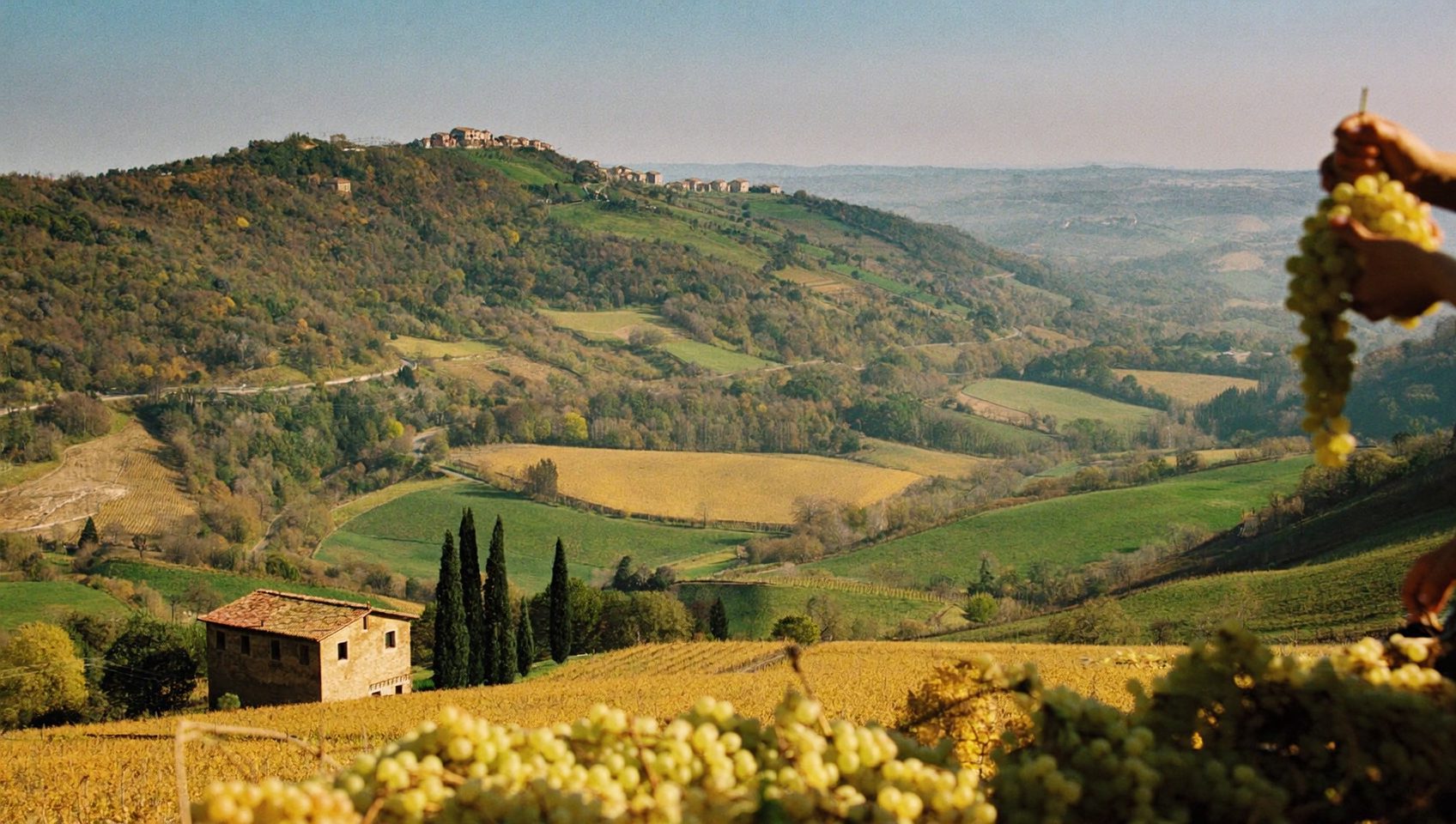
Offida DOCG is the top-tier denomination of the Piceno area in southern Marche, and it covers three wines: Offida Pecorino and Offida Passerina, both dry whites, and Offida rosso, made from Montepulciano (Offida DOCG disciplinare, art. 1 and 2). Each must come at least 85 percent from the grape in its name, from vineyards in the provinces of Ascoli Piceno and Fermo; the whites may be released after 1 March of the year following the harvest, the red only after at least 24 months of ageing, 12 of them in wood, plus 3 months in bottle (disciplinare, art. 2, 3 and 5). Offida became a DOC by the decree of 23 May 2001 and a DOCG by the ministerial decree of 15 June 2011 (Gazzetta Ufficiale n. 149, 29 June 2011); the text published by the Italian Ministry of Agriculture lists the decree of 7 March 2014 as its latest amendment. Sparkling, passito and Vino santo made from Passerina are not DOCG: they belong to the Terre di Offida DOC.
This page is the full guide to the denomination, and it also answers anyone searching for "Pecorino wine" or "Pecorino grape". The grape, which is also grown outside Piceno, has its own page: Pecorino: the grape and its export potential. The other denominations of the area are in Falerio DOC and Rosso Piceno DOC; the regional picture is in Marche wine: an export guide, and the wineries of the area in exporting wine from Ascoli Piceno and from Fermo.
Pecorino wine and the Pecorino grape: what they are
Pecorino is a white grape variety and Pecorino wine is a white wine: it shares only its name with the cheese. In Italy's National Register of Vine Varieties it is listed as Pecorino B., where B. stands for white berry.
The official Register entry, based on a 1962 study by B. Bruni, lists the grape's local names: "Pecorino di Arquata", "Pecorina Arquatanella" or "Arquitano", "Promotico" and "Vecià" in the province of Ascoli Piceno, "Vissanello" in the province of Macerata, "Mosciolo" and "Moscianello" in the province of Ancona, "Norcino" in the province of L'Aquila, "Pecorina" and "Dolcipappola" in Umbria. The same entry describes a variety with early flowering and second-period ripening, medium vigour and yields that are "medium and not always consistent", highly resistant to downy and powdery mildew and able to grow even on dry, poor mountain soils (National Register of Vine Varieties, Pecorino B. entry).
Pecorino wine is not a denomination in itself: the grape name appears on the label next to a DOCG, a DOC or an IGT. In Marche, single-varietal Pecorino has two designations of origin, Offida DOCG and Falerio DOC in its Pecorino version; in Abruzzo there is the Abruzzo DOC Pecorino (Offida DOCG, Falerio DOC and Abruzzo DOC disciplinari, art. 1). The three are compared further down.
What Offida DOCG is and where it comes from
Offida DOCG brings the three historic grapes of Piceno together in three separate wines. The disciplinare says so plainly: the grape base is made of the varieties traditionally grown in Piceno, namely Pecorino, Passerina and Montepulciano (art. 9).
The history set out in the disciplinare is recent. In the late 1980s some growers began to study and replant these old varieties; the Offida DOC was created in 2001; in the following years Vinea, a growers' association, worked with the University of Milan on a zoning study of how the three grapes interact with the land; in 2010 the application for DOCG status began, and it was granted by the decree of 15 June 2011 (art. 9). With the move to DOCG, the sparkling, passito and Vino santo versions of Passerina were placed in a separate DOC, Terre di Offida, approved by the same 2001 decree and amended by the decree of 15 June 2011 (Terre di Offida DOC disciplinare, heading and art. 1).
Compliance checks are carried out by the control body Valoritalia (Offida DOCG disciplinare, art. 10).
The grapes: Pecorino, Passerina and Montepulciano
The blend is calculated on the estate's vineyards, not on the individual bottle.
| Wine | Main grape | Other grapes allowed | Source |
|---|---|---|---|
| Offida Pecorino | Pecorino at least 85 percent | up to 15 percent of other non-aromatic white grapes approved in Marche | art. 2 |
| Offida Passerina | Passerina at least 85 percent | up to 15 percent of other non-aromatic white grapes approved in Marche | art. 2 |
| Offida rosso | Montepulciano at least 85 percent | up to 15 percent of other non-aromatic red grapes approved in Marche | art. 2 |
The disciplinare allows no aromatic varieties in the complementary share. The Montepulciano of Offida rosso is the same variety behind Montepulciano d'Abruzzo.
The zone: Ascoli Piceno and Fermo
The whites have a larger zone than the red. All the municipalities listed are in the province of Ascoli Piceno or Fermo (art. 3).
| Wine | Municipalities fully in the zone | Municipalities partly in the zone | Source |
|---|---|---|---|
| Offida Pecorino and Offida Passerina | Acquaviva Picena, Appignano del Tronto, Castel di Lama, Castorano, Castignano, Cossignano, Montefiore dell'Aso, Offida, Ripatransone | Ascoli Piceno, Colli del Tronto, Campofilone, Carassai, Cupra Marittima, Grottammare, Montalto Marche, Massignano, Monsampolo del Tronto, Montedinove, Monteprandone, Pedaso, Petritoli, Rotella, San Benedetto del Tronto, Spinetoli | art. 3 |
| Offida rosso | Ripatransone, Offida, Acquaviva Picena, Castorano, Castel di Lama, Cossignano, Appignano del Tronto | Ascoli Piceno, Colli del Tronto, Spinetoli, Monsampolo del Tronto, Grottammare, Massignano, Carassai, Montefiore dell'Aso, Montalto Marche, Castignano, Monteprandone, San Benedetto del Tronto | art. 3 |
For the whites the boundary runs between the Adriatic state road, the Via Salaria and the Aso river; for the red the northern limit is the Menocchia stream, south of the Aso (art. 3).
The disciplinare describes an area running from the coast to medium-high hills, with vineyards between 50 and 650 metres, soils deeper than 80-100 centimetres with a good water reserve, and a warm temperate climate with 650-850 mm of rain a year, summer averages of 21-23 °C and winter averages of 6-7 °C. Vineyards face mostly east and south-east, valley floors are excluded, and the Huglin index ranges from 1,800 to 2,500 (art. 9).
| Vineyard rule | What the disciplinare requires | Source |
|---|---|---|
| Excluded land | too damp, too little sun, alluvial plain | art. 4 |
| Density | at least 3,000 vines per hectare for new plantings and replantings | art. 4 |
| Training | local systems based on the simple vertical trellis; the Region may allow others | art. 4 |
| Forcing | banned; emergency irrigation allowed | art. 4 |
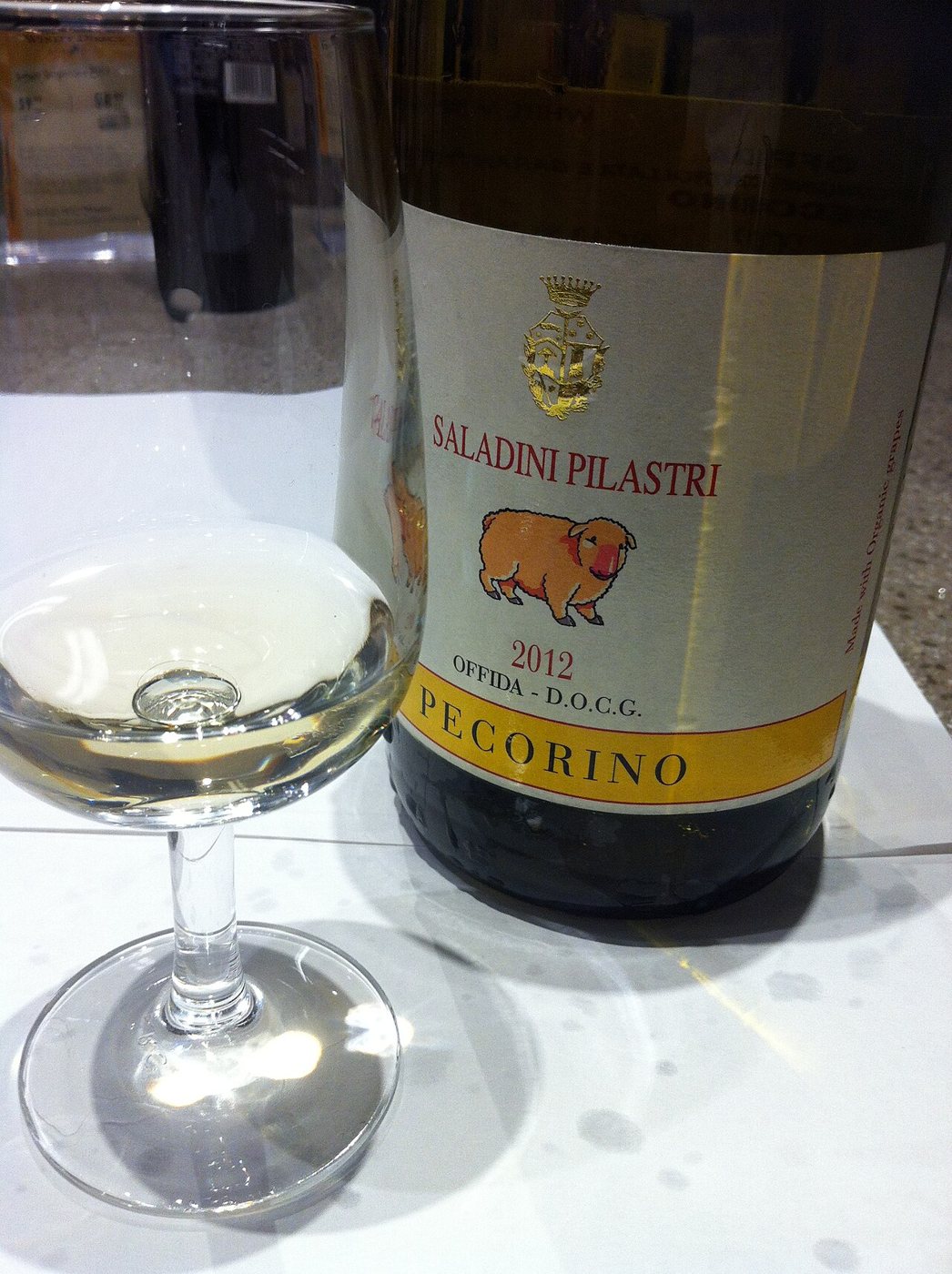
The requirements for Offida Pecorino, Passerina and rosso
| Requirement | Offida Pecorino | Offida Passerina | Offida rosso | Source |
|---|---|---|---|---|
| Maximum grape yield | 9 t/ha | 9 t/ha | 8.5 t/ha | art. 4 |
| Minimum natural alcohol of the grapes | 11.50 percent | 11.50 percent | 12.50 percent | art. 4 |
| Grape-to-wine yield | 70 percent, 63 hl/ha | 70 percent, 63 hl/ha | 70 percent, 59.50 hl/ha | art. 5 |
| Minimum total alcohol | 12.00 percent | 11.50 percent | 13.00 percent | art. 6 |
| Minimum total acidity | 4.5 g/l | 4.5 g/l | 4.5 g/l | art. 6 |
| Minimum sugar-free extract | 18.0 g/l | 16.0 g/l | 24.0 g/l | art. 6 |
| Ageing | none set | none set | 24 months in all, 12 in wood, plus 3 months in bottle, from 1 November of the harvest year | art. 5 |
| Release | after 1 March of the year after the harvest | after 1 March of the year after the harvest | at the end of ageing and bottle refinement | art. 5 |
Watch the minimum alcohol: it is higher for Pecorino (12 percent) than for Passerina (11.50), and some data sheets in circulation have the two the wrong way round. In practice an Offida Pecorino 2025 could not be released before 1 March 2026; for the red, adding the 24 months and the 3 in bottle from 1 November, a 2022 harvest cannot be released before February 2025.
If the wine yield exceeds 70 percent but stays within 75, the excess loses the DOCG; above 75 percent the whole batch loses it. In generous years any extra grapes must still be brought back within the limits, and if production exceeds the maximum yield by more than 20 percent the whole harvest loses the denomination (art. 4 and 5). Wine that does not meet the DOCG requirements can only be reclassified as Rosso Piceno, Falerio, Falerio Pecorino, Terre di Offida in its passito, Vino santo and sparkling types, or IGT Marche (art. 5). How these limits are calculated is explained in wine yields and DOC/DOCG limits.
Where the wine is made and bottled
| Rule | What the disciplinare requires | Source |
|---|---|---|
| Winemaking, ageing, bottling | inside the production zone | art. 5 |
| Bottling outside the zone | only with an individual authorisation for firms that already did so | art. 5 |
| Wineries outside the zone | allowed within Marche if they existed on the date of the decree, on a reasoned application with a technical opinion from the Region | art. 5 |
| Sweetening | allowed under EU and Italian rules | art. 5 |
The text justifies bottling in the zone as a safeguard for quality and origin (art. 5, citing art. 8 of regulation EC 607/2009). For a buyer, this means that an Offida DOCG bottled outside Piceno needs an individual authorisation.
Label and bottle
| Rule | What the disciplinare requires | Source |
|---|---|---|
| Vintage | mandatory | art. 7 |
| Qualifiers | any not provided for are banned, including extra, fine, scelto, selezionato | art. 7 |
| Brands and company names | allowed if not laudatory and not misleading | art. 7 |
| Container | glass bottles up to 5 litres | art. 8 |
| Closures | those allowed under current rules | art. 8 |
The disciplinare provides for no mentions such as Riserva or Superiore: an "Offida Pecorino Riserva" does not exist as a DOCG type. Wines made in wood using traditional methods may show a light hint of wood (art. 6).
Terre di Offida DOC: sparkling, passito and Vino santo from Passerina
Sweet and sparkling Passerina is not Offida DOCG but Terre di Offida DOC, with its own rules.
| Requirement | Passerina spumante | Passerina passito | Passerina Vino santo | Source |
|---|---|---|---|---|
| Grape | Passerina at least 85 percent | Passerina at least 85 percent | Passerina at least 85 percent | art. 2 |
| Zone | same as Offida white | same as Offida white | only the municipalities of Offida and Ripatransone | art. 3 |
| Grape yield and natural alcohol | 12 t/ha, 10.50 percent | 12 t/ha, 11.50 percent | 12 t/ha, 11.50 percent | art. 4 |
| Method | natural second fermentation, at least 6 months of elaboration | grapes dried on the vine or in suitable rooms to at least 260 g/l of sugar | grapes dried only in rooms, on racks or hung, to at least 260 g/l; crushing between 1 December and 31 March | art. 5 |
| Grape-to-wine yield | 70 percent, 84 hl/ha | 40 percent, 48 hl/ha | 40 percent, 48 hl/ha | art. 5 |
| Ageing | none set | 18 months from 1 December, 12 of them in wood of no more than 500 litres | 36 months from 1 December, 24 of them in wood of no more than 500 litres | art. 5 |
| Minimum total alcohol | 11.50 percent | 15.50 percent, of which 13.00 actual | 15.50 percent, of which 13.00 actual | art. 6 |
| Bottle | up to 5 litres | up to 0.750 litres with a flush cork stopper | up to 0.750 litres with a flush cork stopper | art. 8 |
Source: Terre di Offida DOC disciplinare, Ministry of Agriculture text. The sparkling wine ranges from zero dosage to abboccato (off-dry); for the traditional method the disgorgement year must be stated, while the vintage is mandatory for passito and Vino santo (art. 6 and 7).
Offida Pecorino, Falerio Pecorino and Abruzzo Pecorino compared
Three denominations with single-varietal Pecorino, different rules.
| Offida Pecorino DOCG | Falerio DOC Pecorino | Abruzzo DOC Pecorino | |
|---|---|---|---|
| Minimum Pecorino | 85 percent | 85 percent | 85 percent |
| Zone | 25 municipalities, wholly or partly, in the provinces of Ascoli Piceno and Fermo | all suitable land in the provinces of Ascoli Piceno and Fermo, excluding valley floors and land above 700 metres | municipalities in the provinces of Chieti, L'Aquila, Pescara and Teramo |
| Maximum grape yield | 9 t/ha | 11 t/ha | 18 t/ha |
| Minimum natural alcohol of the grapes | 11.50 percent | 11 percent | 11.00 percent |
| Minimum total alcohol of the wine | 12.00 percent | 12.00 percent | 11.50 percent |
| Minimum sugar-free extract | 18.0 g/l | 16.0 g/l | 16 g/l |
| Release | after 1 March of the following year | no date set | from 1 December of the harvest year |
| Sparkling | no (sparkling Passerina is Terre di Offida) | no | yes, traditional method included |
Sources: Offida DOCG (art. 2 to 8), Falerio DOC (art. 2 to 7, latest amendment DM 1 February 2024) and Abruzzo DOC (art. 1 to 6, latest amendment DM 31 July 2024) disciplinari, Ministry of Agriculture texts.
Falerio also allows containers other than glass and any authorised closure, while Offida may only be sold in glass up to 5 litres (Falerio disciplinare, art. 7; Offida disciplinare, art. 8). Falerio DOC without a grape name is a blend: Trebbiano Toscano 20 to 50 percent, Passerina and Pecorino 10 to 30 percent each (Falerio disciplinare, art. 2). The Abruzzo DOC also provides for Pecorino superiore in the sub-zones Terre di Chieti, Terre Aquilane, Colline Pescaresi and Colline Teramane, with their own rules in the annexes (Abruzzo disciplinare, art. 1). The dedicated pages are Falerio DOC and Abruzzo wine: an export guide.
What the wines taste like
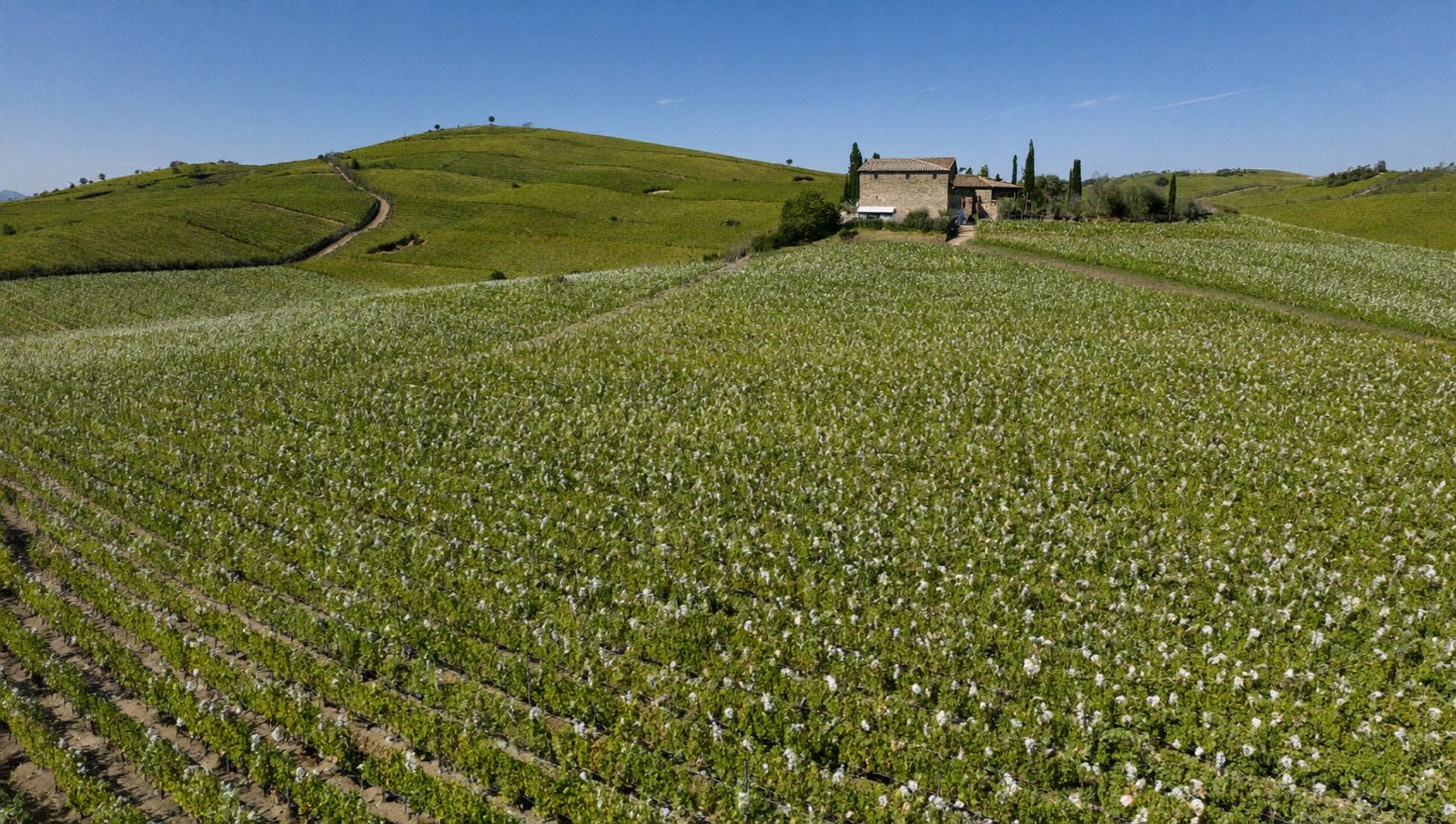
The legal description of Offida Pecorino is straw yellow with greenish highlights, a characteristic, pleasant nose and a dry, typical palate; Passerina is straw yellow with golden highlights and dry; the red is ruby turning garnet with age, with a complex, slightly ethereal nose and a dry, harmonious palate (art. 6).
The section on the link with the land adds the aromas: for Pecorino a good level of acidity, white flowers, pineapple, anise and sage, a fresh, mineral, savoury palate and a long finish; for Passerina yellow-fleshed fruit and citrus; for the red, red fruit, liquorice and chocolate, with a soft, broad palate (art. 9).
Buying Offida abroad: what the data say and what to check
There are no recent public export figures for Offida alone. The Consorzio Vini Piceni, which groups the Piceno denominations, stated in April 2026 that it exports about 40 percent of its wine, to northern Europe, Canada, the United States, Japan and Switzerland, out of about 6 million bottles and 180,000 quintals of grapes; the figure covers all of the Consorzio's denominations, not the DOCG alone (Quotidiano.net, 10 April 2026). Italian Wine Central gives 513 hectares of vineyard for Offida DOCG in 2021.
For those markets: wine importers in the United States and US wine importers and what they need; wine importers in Canada and exporting wine to Canada; wine importers in Japan and exporting wine to Japan; wine importers in Switzerland; for northern Europe, exporting wine to Sweden and wine importers in Germany. The full list is in the wine importers by country hub, and the weight of the DOCG label in trade talks in exporting DOCG wines.
Before listing an Offida, check six points on the data sheet and the label, all set out in the disciplinari:
- Exact name. "Offida" followed by Pecorino, Passerina or rosso: these are the only DOCG types (art. 1).
- Vintage and release. The vintage is mandatory; a white is not released before 1 March after the harvest, a red not before 24 months plus 3 in bottle (art. 5 and 7).
- Alcohol. At least 12 percent for Pecorino, 11.50 for Passerina, 13 for the red (art. 6).
- Mentions. Riserva, Superiore, extra, selezionato and the like are not allowed (art. 7).
- Bottling. In the zone, unless individually authorised (art. 5).
- Sparkling or passito. If the label says Passerina spumante, passito or Vino santo, the denomination is Terre di Offida DOC, not Offida DOCG.
On English-language lists, write "Offida Pecorino DOCG" or "Pecorino white wine" rather than "Pecorino" alone, which many readers abroad take for the cheese.
Frequently asked questions
Is Pecorino wine related to pecorino cheese?
No. Pecorino wine is made from the Pecorino grape, a white variety listed in Italy's National Register as Pecorino B.; it shares only its name with the cheese (National Register of Vine Varieties).
How much Pecorino must an Offida Pecorino contain?
At least 85 percent, from the estate's own vineyards; the rest may come from other non-aromatic white grapes approved in Marche (Offida DOCG disciplinare, art. 2).
What is the difference between Offida Pecorino and Falerio Pecorino?
Both contain at least 85 percent Pecorino and 12 percent alcohol. Offida is a DOCG with a smaller zone, a yield of 9 tonnes per hectare against 11, a higher minimum extract (18 g/l against 16), and it cannot be released before 1 March after the harvest (Offida DOCG and Falerio DOC disciplinari, art. 2 to 6).
When is Offida Pecorino released?
After 1 March of the year following the harvest; the same applies to Offida Passerina (disciplinare, art. 5).
What grapes go into Offida rosso and how long is it aged?
At least 85 percent Montepulciano. It is aged at least 24 months, 12 of them in wood, plus 3 months in bottle, counted from 1 November of the harvest year, and must reach at least 13 percent alcohol (disciplinare, art. 2, 5 and 6).
Is there a sparkling or passito Offida Passerina?
Not as a DOCG. Sparkling Passerina, passito and Vino santo are made under the Terre di Offida DOC, with their own rules; Vino santo only in the municipalities of Offida and Ripatransone (Terre di Offida DOC disciplinare, art. 1 and 3).
Sources
- Offida DOCG disciplinare, Italian Ministry of Agriculture text (latest amendment DM 7 March 2014), copy hosted by AIS
- Terre di Offida DOC disciplinare, Ministry of Agriculture text, copy hosted by AIS
- Falerio DOC disciplinare, Ministry of Agriculture text (latest amendment DM 1 February 2024), copy hosted by AIS
- Abruzzo DOC disciplinare, Ministry of Agriculture text (latest amendment DM 31 July 2024), copy hosted by AIS
- Italian Ministry of Agriculture, list of PDO and PGI wine disciplinari
- National Register of Vine Varieties, Pecorino B. ampelographic entry
- Quotidiano.net, 10 April 2026, Consorzio tutela vini piceni at Vinitaly
- Italian Wine Central, Offida DOCG
- Organic and Indigenous Commercial Wine Yeasts: What They Are
- Non-Saccharomyces wine yeasts: uses and when to choose them
- Pesticide-free wine: residues, testing and buyer demands
- Nero d'Avola: Grape, Sicilia DOC, Cerasuolo and Export
- Pinot Grigio delle Venezie DOC: Zone, Rules, Ramato, Export
- Natural wine label rules in the EU: what you can write