Supertuscan wines: what they are, why many are Toscana IGT and the Bolgheri case for export
Wines Export Editorial · Last updated:
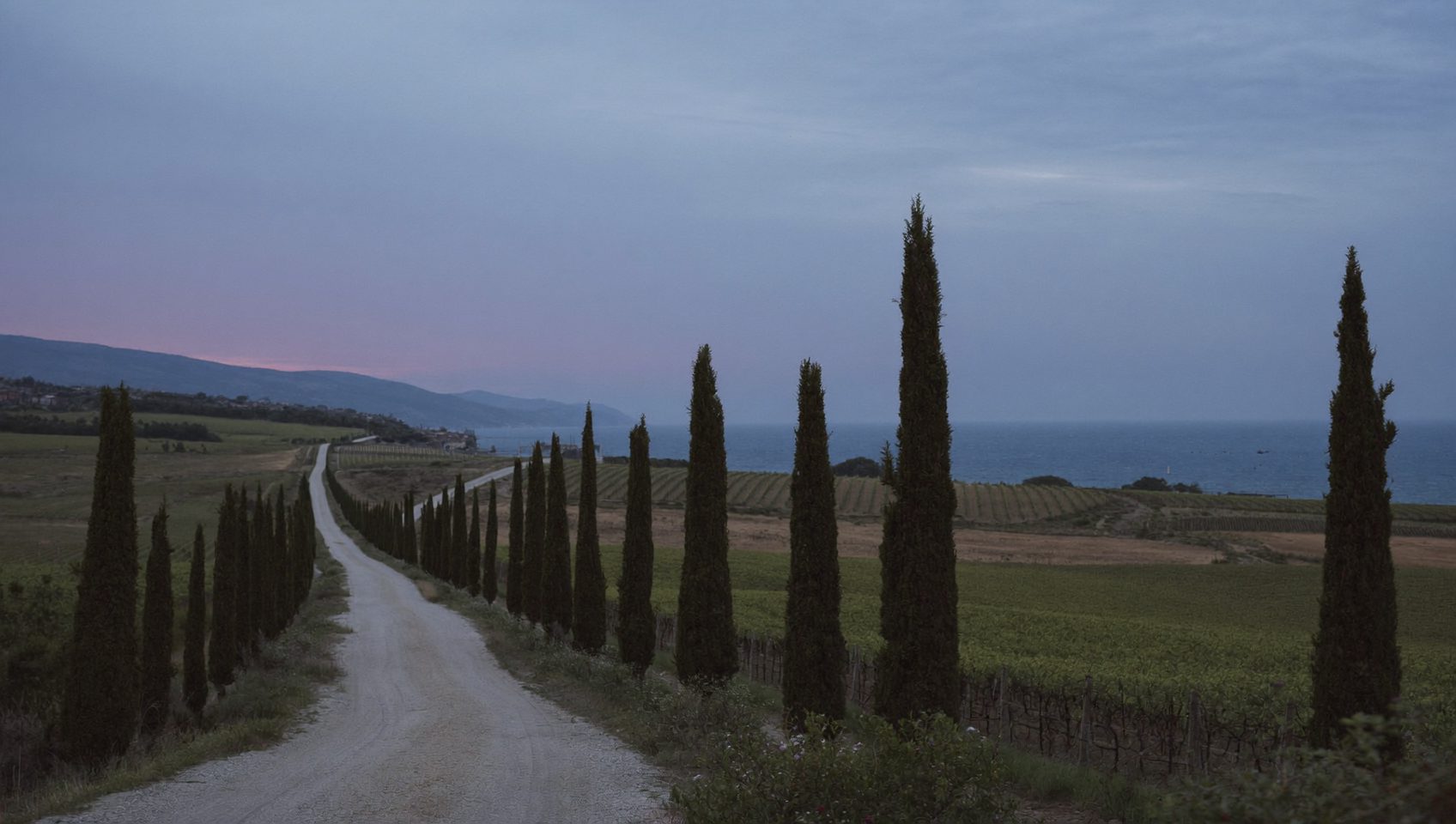
Supertuscan is the name the international market has long used for high-end Tuscan reds, often made with international grape varieties such as Cabernet Sauvignon and Merlot. It is not a legal denomination: the wine that carries the term on its label is governed either by a DOC, such as Bolgheri, or by an IGT, such as Toscana IGT. For an importer the difference matters, because the production specification, the wording on the label and the way the wine is presented to the customer all change. Here you will find the origin of the term, a comparison between the two denominations and the channels through which these wines are sold. For the general picture of the region's wines, we refer you to the guide to exporting Tuscan wine.
What Supertuscan means and where the term comes from
The term originates in trade and trade press language, not in an official document. It refers to wines that stepped outside the rules of the denomination of the time: some Tuscan producers used Bordeaux grape varieties, or a blend with Sangiovese, and aged them in barrique. Because that kind of blend was not allowed by the stricter production specification, many of these labels were sold as table wines.
Sassicaia and Tignanello are the names almost everyone cites when this history is traced. Today the term serves mainly those who sell: an importer uses it to understand which price range and style the customer is talking about. It does not therefore indicate a single production specification, which is why it is always advisable to ask the winery which denomination appears on the label.
Toscana IGT and Bolgheri DOC: what the law says and what the market says
The basic difference is this: IGT is a typical geographical indication with broader rules, while DOC is a controlled designation of origin with stricter rules on grapes, area and methods. Masaf publishes the official list of Italian DOP and IGP wines and collects the production specifications, including those for IGT, in sections that can be consulted. It is the first document to check when a wine declares an IGT or a DOC.
The Bolgheri consortium describes the territory as a unique microclimate between sea and hills and brings together the producers of the Bolgheri DOC and the Bolgheri Sassicaia DOC. Its website states that the denomination counts 78 members, that is 78 companies producing wines from that territory. For the importer this is an advantage: the list of member companies and the wine sheets make it possible to verify immediately who produces what.
| Denomination | Type | Who oversees it | What to check before importing |
|---|---|---|---|
| Toscana IGT | Typical geographical indication | Production specification published by Masaf in the IGT list | Permitted grape varieties and exact wording on the label |
| Bolgheri DOC | Controlled designation of origin | Consortium for the protection of the Bolgheri DOC and Bolgheri Sassicaia DOC wines | Production specification, member companies, vintage and declared type |
| Bolgheri Sassicaia DOC | Controlled designation of origin | Same protection consortium | That the wine carries the correct designation and the vintage on the sheet |
In practice many Supertuscans are now sold as IGT Toscana precisely because the DOC does not cover every blend chosen by the producer. The advice is not to infer the denomination from the commercial name: it must be read on the label and on the technical sheet.
The grape varieties: Cabernet, Merlot, Syrah and Sangiovese
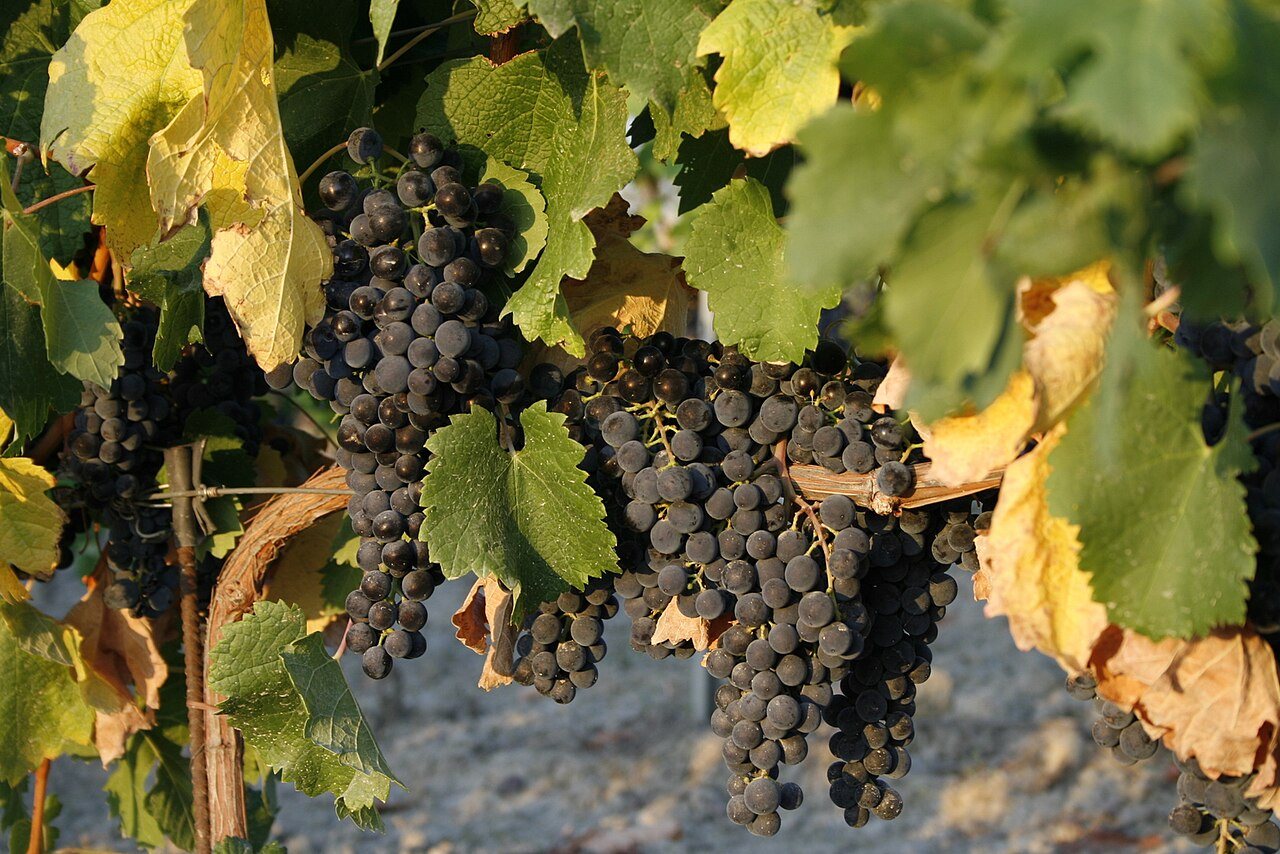
The heart of the Supertuscan is the blend. Cabernet Sauvignon is the variety most often mentioned in the stories of these wines, followed by Merlot, which adds softness to the blend. Syrah appears in some labels as a component providing structure and spicy aromas, while Sangiovese remains the base of many Tuscan wines and can be blended with international varieties.
When presenting the wine abroad, the grape variety must be stated precisely. An importer looking for a Bordeaux-style blend from Tuscany wants to know the percentages declared on the sheet, not a generic description. If the winery does not provide them, the request should be made before negotiations begin, because the buyer compares them with the sheets of competing wines.
Prices and channels: high-end restaurants, fine wine, secondary market
The price of a Supertuscan depends on the vintage, the producer, the denomination and the channel. A wine sold to high-end restaurants has a different price list from a bottle destined for collectors. For details of the price ranges by type, we refer you to price ranges for Italian wine export by type.
The fine wine market is followed by Liv-ex, which publishes periodic updates on transactions between merchants and investors. In its latest updates Bordeaux ranks first by value traded, with a share of 41%. The figure refers to the Bordeaux market and not to Tuscan wines, but it shows how the secondary market views great reds with the same tools. A Supertuscan entering that channel must have traceability of vintage, winery and storage conditions.
Which foreign markets buy them most
The sources listed below do not give a ranking of the countries that buy Supertuscans. The Liv-ex blog, which follows the fine wine market, reports that US buyers withdrew in the first half of 2025 and that European buyers stepped in, increasing their share and spending. These are data on fine wine in general, not on a specific category.
To understand which market is worth opening, it is therefore sensible to start from the channel: high-end restaurants have needs different from those of a specialist shop or of an importer working with collectors. The choice of country must then be compared with duties, excise taxes and the documents required in the destination market. For the production and prices of the Bolgheri wineries, we refer you to production, wineries and prices of Bolgheri for importers.
How to present a Tuscan IGT red to an importer
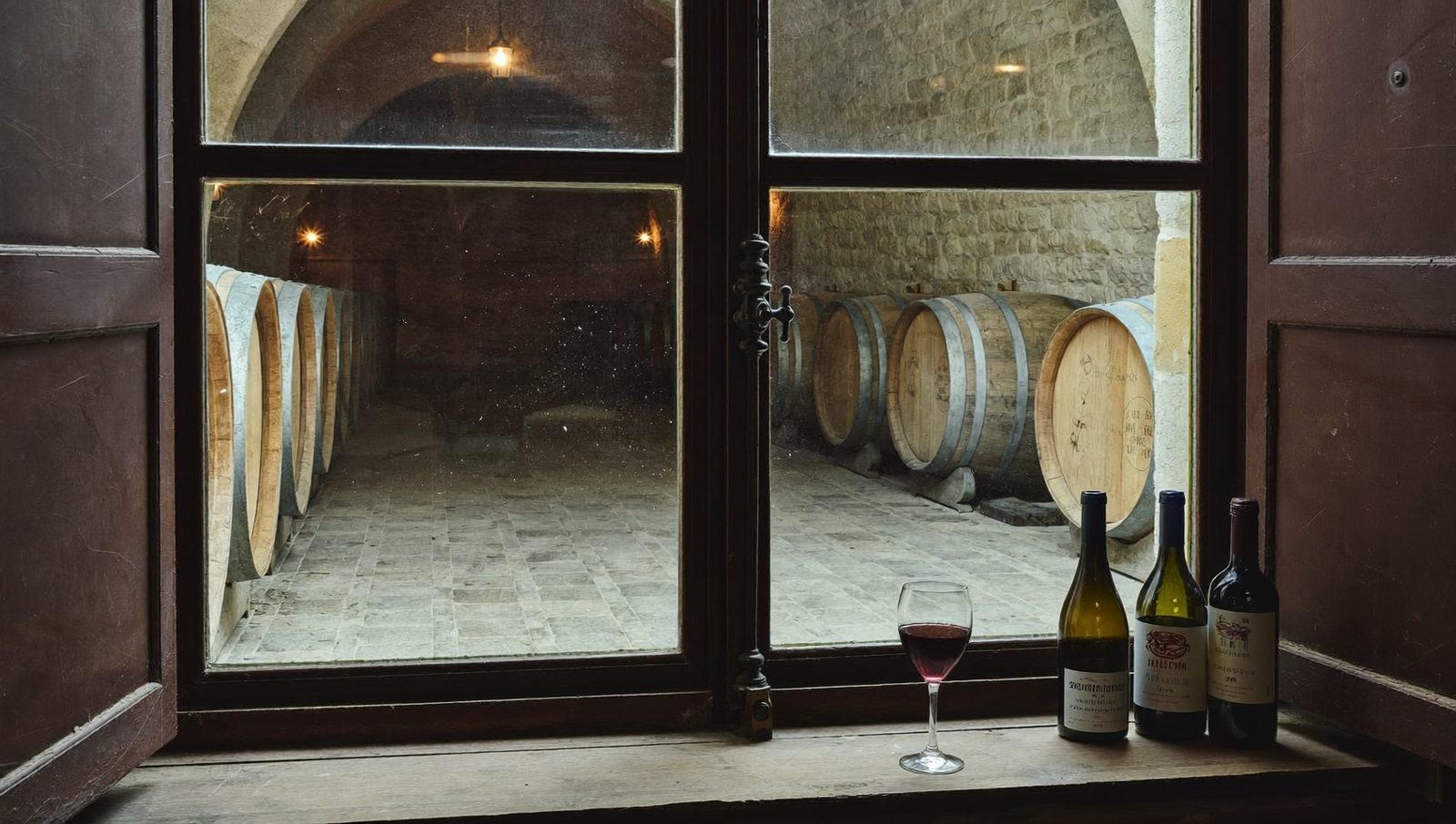
A good first contact starts with the denomination, the territory and the grape varieties, in the order in which the importer looks for them on the sheet. State clearly whether the wine is IGT Toscana or DOC Bolgheri, and explain the blend with its percentages. If the wine comes from a nearby area such as Castagneto Carducci, say so straight away, because the importer will compare it with the wines of that zone.
The technical documentation must be prepared in advance. The Single Document of each DOP or IGP is accessible in the technical file published in the European e-Ambrosia system, and Masaf explains the search procedure step by step. With the first submission, attach the reference to the document, the technical sheet of the vintage and the winery sheet. For the legal side of exporting Bolgheri wines, we refer you to what to know about the Bolgheri denomination for the foreign buyer.
Frequently asked questions
Is Supertuscan a designation of origin?
No. Supertuscan is a commercial term used by the market to indicate high-end Tuscan reds. The actual denomination is the one printed on the label, which may be a DOC such as Bolgheri or an IGT such as Toscana IGT. To verify it, simply read the label and the technical sheet.
Can a Supertuscan be sold as Toscana IGT?
Yes, and it is a common situation. When the blend chosen by the producer does not fall within the DOC production specification, the wine is declared as IGT. The IGT production specification should be checked in the official Masaf list before writing the wording into sales documents.
Which grape varieties are found most often in Supertuscans?
The varieties most often mentioned are Cabernet Sauvignon and Merlot, often with Sangiovese, and in some cases Syrah. The percentages vary from winery to winery and should be requested on the technical sheet. Do not rely on the commercial name to understand the blend.
Where can I find the production specification of a Bolgheri wine?
The Bolgheri DOC production specification is published on the website of the protection consortium, which also lists the member companies and wines. For the official European reference, it is advisable to consult the Single Document in the e-Ambrosia system, indicated by Masaf. The two sources should be compared before sending the sheet to the importer.
How is the secondary market for a Tuscan red assessed?
The secondary market is read through trading data, such as those published by Liv-ex, which show shares by area and by buyer. These data mainly concern fine wine from Bordeaux and other major markets, so they should be interpreted with caution for Tuscan wines. A reliable sheet requires vintage, winery and storage condition.
Sources
- Tartaric Stabilization of White Wine: Cold and Methods
- SO2 in the winery: dosing by stage, EU limits, alternatives
- Tasting notes for importers: structure and vocabulary
- Stuck Fermentation in Wine: Causes and How to Restart
- Trebbiano Varieties: Toscano, Abruzzo, Romagnolo, Turbiana
- Classic Method vs Charmat Sparkling Wine: Buyer Guide