Trebbiano Toscano, Trebbiano d'Abruzzo, Romagnolo and Turbiana: four grapes not to confuse
Wines Export Editorial · Last updated:
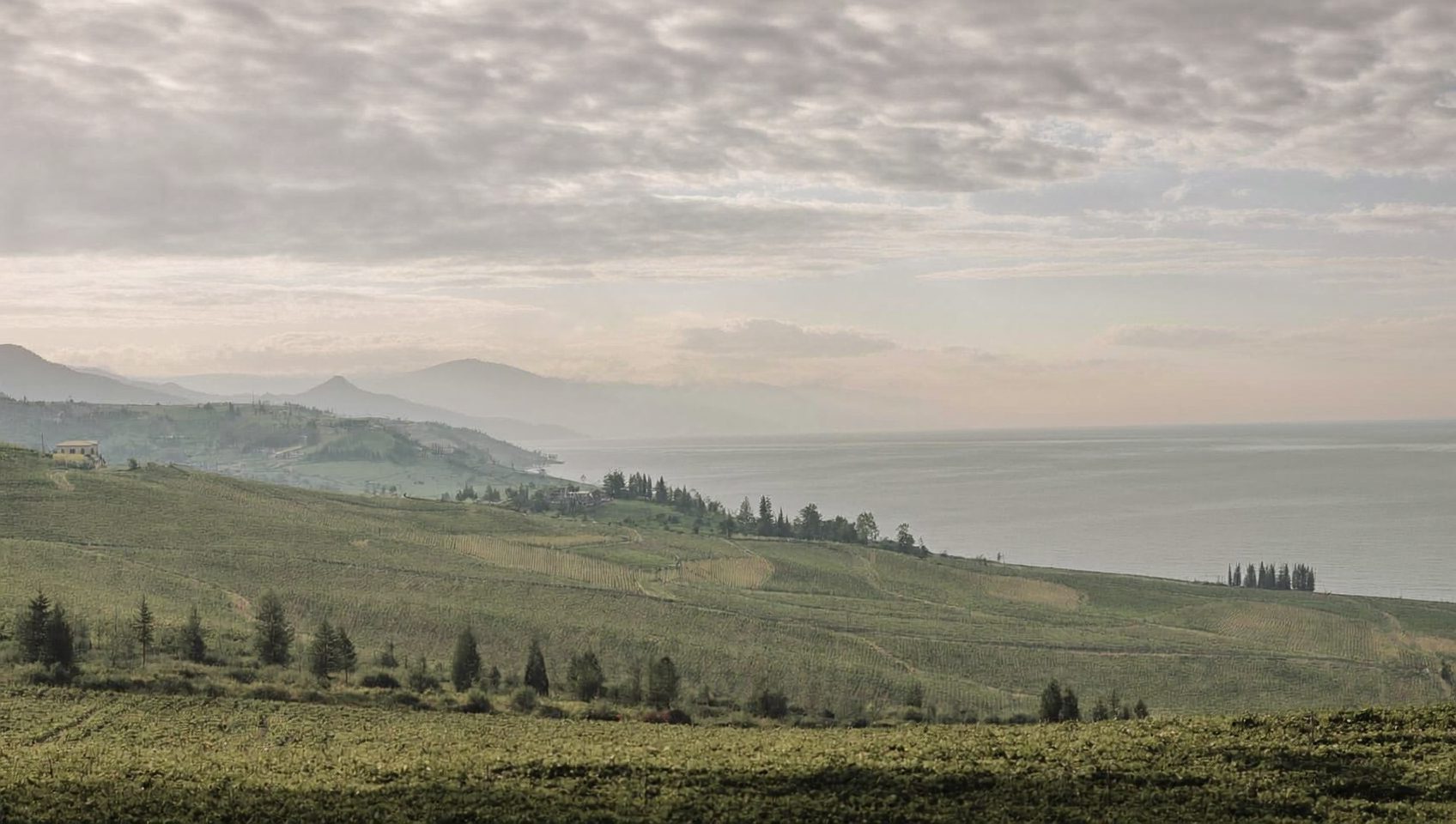
"Trebbiano" is a family name, not a single grape variety. Under the same word sit varieties that have little in common in genetics or use: Trebbiano Toscano, known in France as Ugni Blanc, Trebbiano d'Abruzzo, Trebbiano Romagnolo, and Trebbiano di Soave, which in Lugana takes the local name Turbiana. For an importer the difference matters, because asking for "a Trebbiano" without specifying the variety means buying a wine whose genetic basis and designation you do not know. Below you will find how to tell them apart and what to state on the label and in the product sheet. For Trebbiano Toscano, see Trebbiano Toscano for export, and for the Romagna area, see Trebbiano in the Rubicone.
Why "Trebbiano" is not one grape variety
The National Register of Grapevine Varieties is the reference for official names. Its page states that it is a documentation tool and specifies that official acts prevail: the variety name must therefore be verified there and in the production specifications, not taken from the commercial name on the label.
For genetic checks, the international catalogue VIVC is also useful. The database was founded in 1984 at the Geilweilerhof grapevine breeding institute and now describes around 23,000 cultivars, crossing lines and Vitis species. Alongside passport data for each variety, it holds SSR marker data, that is, the genetic profile that shows whether two names really refer to the same grape.
Another frequent mistake is treating the name of a wine as the name of a variety. A white labelled as Trebbiano may come from different grapes depending on the area and the production specification, so the useful question for the buyer is not only "what grape is it?" but "which designation and which production specification can I verify?" With this question, the product sheet becomes a document the buyer can check without having to call the producer.
The practical advice is simple: ask the buyer which name appears on the label or price list, check it against both sources, and only then write the grape variety in the product sheet.
Trebbiano Toscano: the Italian name for Ugni Blanc
When people in Tuscany and central Italy say Trebbiano without further qualification, the most common reference is Trebbiano Toscano. In the register and in the international world, this variety is linked to the French Ugni Blanc, the same grape that supplies much of the brandy production in Charente. The synonym must be handled carefully: a French buyer who reads Ugni Blanc and an Italian buyer who reads Trebbiano Toscano may be talking about the same grape, but they need different documents if the wine is intended for a specific production specification.
In commercial practice, Trebbiano Toscano often appears in everyday white wines, where the grape name sits next to the production area. For this reason, a buyer ordering a Tuscan white should ask for the exact wine type and the production specification applied, not only the variety.
Trebbiano Toscano also enters some Tuscan blends, including Vin Santo, where the grape is one of the traditional components. For the buyer, this means the variety alone says little about the type of wine: the designation is always needed. For Vin Santo, see Vin Santo: what a foreign buyer should know.
Trebbiano d'Abruzzo and Trebbiano Romagnolo: two territories, two varieties
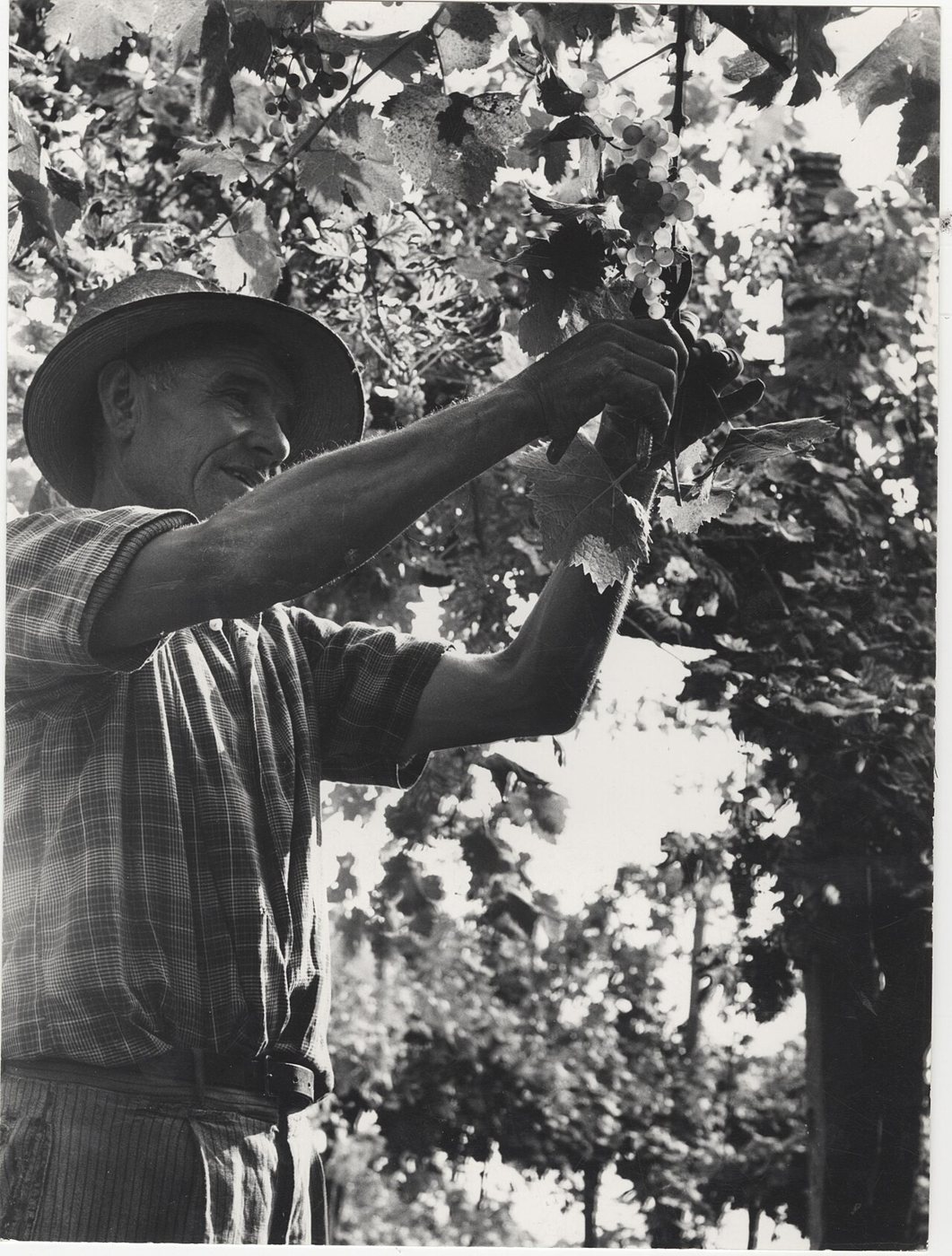
Trebbiano d'Abruzzo should not be treated as a synonym for Toscano. It is a variety with its own name, linked to a territory with a dedicated designation. The Consorzio Tutela Vini d'Abruzzo states that it protects, promotes and looks after the interests of the controlled designations of origin in the regional territory. A buyer importing an Abruzzo wine should therefore ask for the exact designation and not stop at the grape name.
Trebbiano Romagnolo is another variety, grown along the Romagna belt, and it should be distinguished from the Trebbiano of the Marche and Abruzzo. In the Rubicone the name appears in several wine types, so the product sheet must state the actual designation or geographical indication. An overview of the region's wines is on the page about Abruzzo wine for exporters, while for Romagna the reference is the Rubicone page already mentioned.
Trebbiano di Soave and Turbiana: the Lugana case
The hardest case to explain to a buyer is Lugana. The Consorzio Lugana DOC was established in 1990 and promotes the Lugana brand, protecting members and consumers in Italy and worldwide. The Consortium describes the territory as a fertile plain south of Lake Garda, with clay soils and a mild climate, and presents Turbiana as a noble grape with unique characteristics.
In Lugana, the name on the label is the designation, and the variety is Turbiana. The connection with Trebbiano di Soave is a point to be verified in the official documents before it is written in a product sheet, because local names may only partly match those in the register. For this reason, the rule is simple: the buyer must know they are buying Lugana, not a generic Trebbiano. For wine types and export rules, see Lugana: what a foreign buyer should know.
From table wine to Lugana: value depends on the designation
The price of a Trebbiano-based wine is not decided by the grape name. It is decided by the wine type and the designation: a table wine, an IGP, or a DOP with its own production specification. Lugana, for example, comes in several versions, including Riserva, Superiore, Vendemmia Tardiva and sparkling wine by the Charmat or classic method, and each has a different positioning in the restaurant trade.
| Level | What to state in the product sheet | Where to verify it |
|---|---|---|
| Table wine | Variety only if allowed by regulations | Producer's documents and variety register |
| IGP | Geographical indication and permitted varieties | MASAF lists and DOP and IGP production specifications |
| DOP (e.g. Lugana) | Designation, wine type, Turbiana | Consortium website and production specification |
| DOP Abruzzo | Regional designation and declared grape | Consorzio Vini d'Abruzzo website |
To verify the designation before writing the product sheet, the single document of each DOP or IGP is published in the European Union's e-Ambrosia system, in the technical file of the designation. The procedure is described on the MASAF page with the lists and production specifications.
How to state the variety on the label and in the export product sheet
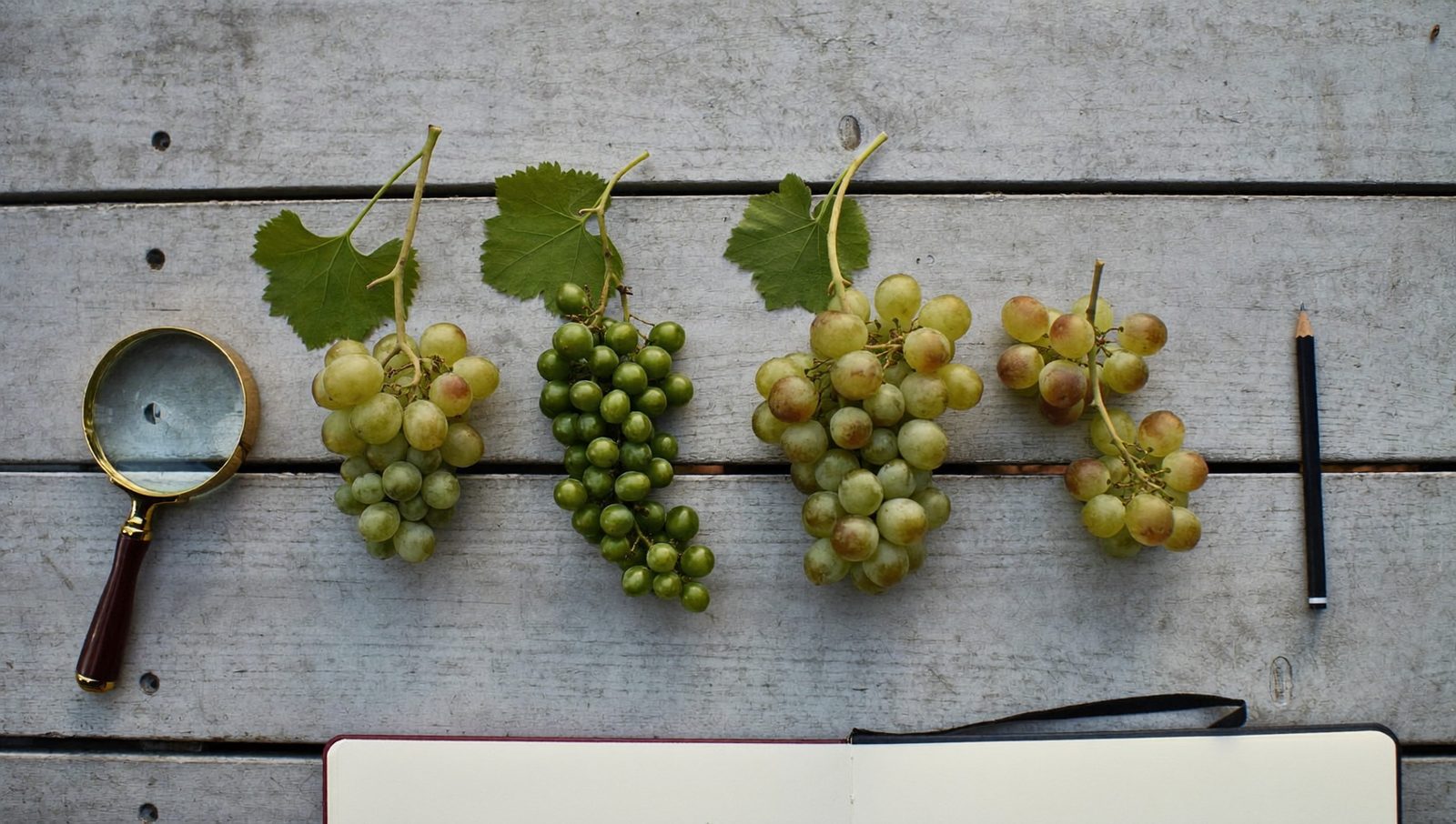
In the sheet for the importer, write the variety name as it appears in the register and, alongside it, the designation or geographical indication. Avoid the bare term "Trebbiano": it sounds precise, but it does not allow the buyer to tell whether the wine is a table white, an IGP or a DOP with its own production specification.
Then check that the name on the label matches the production specification. If the designation requires the grape to be stated, the sheet must show it; if it does not, the sheet must show the designation and not only the grape name. The check is made on the consortium website and in the single document.
Frequently asked questions
Are Trebbiano and Trebbiano Toscano the same grape variety?
Not always. Trebbiano is the name of a family of varieties, while Trebbiano Toscano is a specific variety linked to the French Ugni Blanc. Before writing the name in a product sheet, compare the buyer's name with the national register and with VIVC.
Is Lugana made with Trebbiano?
The Consorzio Lugana presents the wine as linked to Turbiana, a grape the consortium describes as noble and with unique characteristics. The relationship with Trebbiano di Soave must be verified in the official documents before it is used in a product sheet.
Can I write just "Trebbiano" on the label?
It depends on the wine type and the production specification. For a DOP or IGP, check the production specification in the MASAF list and the single document on e-Ambrosia. For a table wine, check with your customs adviser or with the destination country.
Where can I find the correct name of the variety?
The National Register of Grapevine Varieties is the official source for names, but it should be checked against VIVC when a genetic profile is needed. The official data remain those in the official acts: the register's page states this explicitly.
Sources
- Triveneto: what it includes and what it produces for export
- Tasting notes for importers: structure and vocabulary
- Valpolicella production and sales: the Amarone pyramid
- Tartaric Stabilization of White Wine: Cold and Methods
- Vermentino: Gallura DOCG, Sardinia, Liguria and Tuscany
- Supertuscan Wines: IGT Toscana vs Bolgheri DOC for Importers