Malbec: Origins, Profile, and Market Strategies for Wineries
Malbec, a grape variety with a distinctive character and a fascinating history, represents an interesting opportunity for Italian wineries looking towards export. Although not among the most widespread native grape varieties in Italy, its historical presence and growing appreciation in international markets make it a valid candidate for diversifying offerings and reaching new consumers. This article explores the origins, ampelographic characteristics, wine peculiarities, and its potential for success in foreign markets, providing useful insights for Italian producers. In-depth: MASAF — National Register of Vine Varieties.
What is the History of Malbec in Italy?
The first documented traces of Malbec in Italy date back to the 19th century. In 1881, Count Provana di Collegno presented his Malbec at the ampelographic exhibition in Pinerolo. As early as 1890, the variety was being cultivated in Prince Boncompagni's vineyards, with cuttings sourced from Bologna.
Currently, Malbec is grown primarily in Veneto and Friuli, with a smaller presence in other Italian regions. It is important to note that, according to some scholars, Malbec is often confused with specific clonal selections of Merlot. Internationally, Malbec is strongly associated with France, particularly the Bordeaux region, where it is one of the main grape varieties used to create "claret" style wines. Its cultivation also extends to other wine-growing areas worldwide, including South Africa, Argentina, and Chile.
What are the Ampelographic Characteristics of Malbec?
Malbec exhibits well-defined morphological characteristics that facilitate its identification.
What are the Characteristics of the Malbec Bunch and Berry?
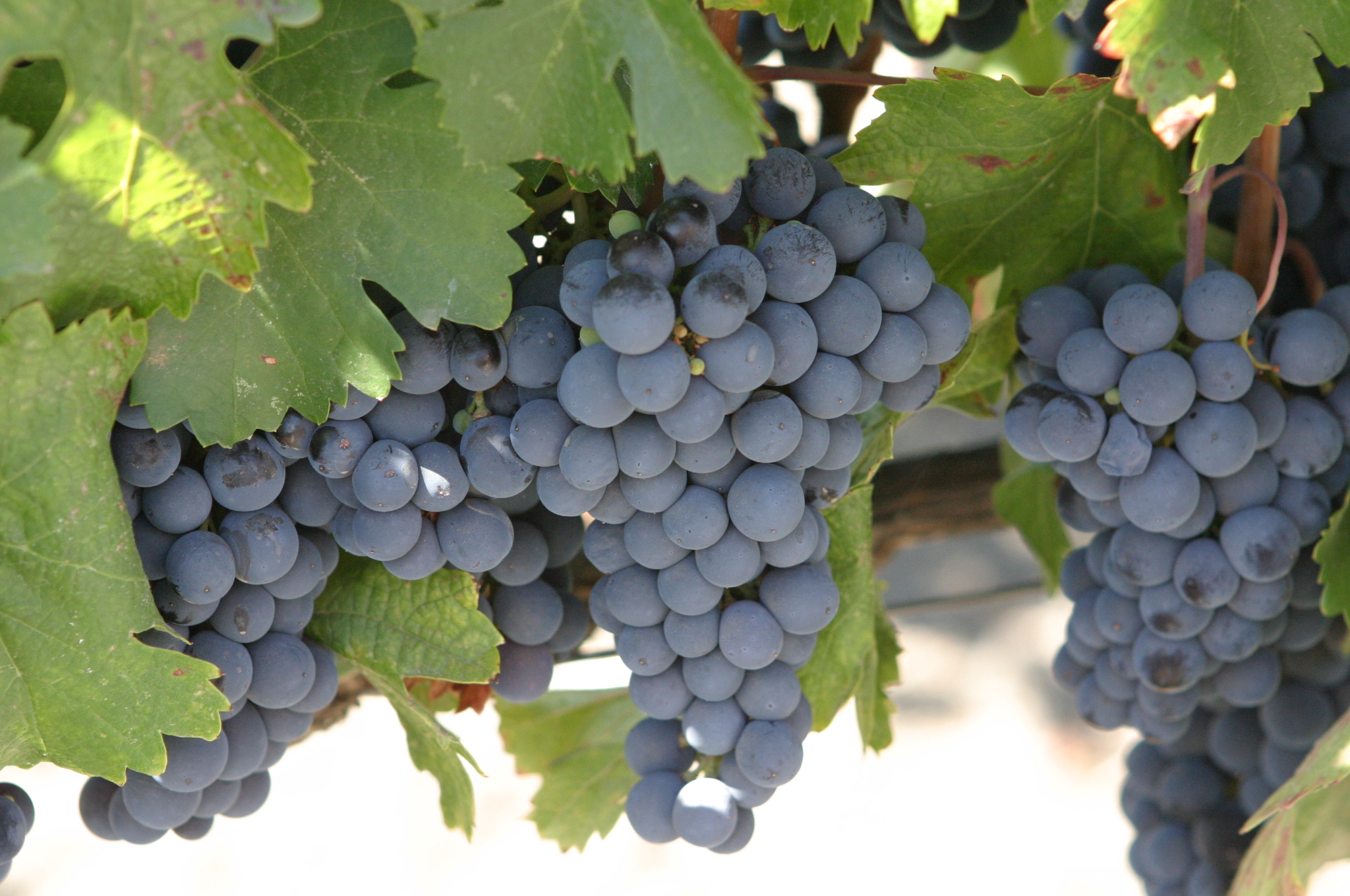
Malbec's bunch is medium-large, pyramidal, winged, and with narrow wings. The berries are medium-sized, spherical, with a bluish-black, waxy, thin yet resistant skin. The pulp is colorless, soft, juicy, and very sugary. There are usually three pips.
What are the Characteristics of the Malbec Vine and Leaf?
The Malbec leaf is large, pentalobate, with an open petiolar sinus. The color is dark green, with a blistered upper surface and a light green, woolly underside. The toothing is low and pointed. The shoot is medium, streaked, and hazelnut-colored. The buds are prominent and broad-based. Vigor, fruit set, and production are generally good. Resistance to diseases is normal, but the variety can be susceptible to bunch rot during harvest.
Malbec adapts to various soil types, tending to produce abundant yields that can sometimes compromise wine quality. Poorly fertile, gravelly, sandy soils, and red clays seem to yield the best results. Its use in excessively fertile and humid soils is not recommended due to its exuberant vegetative growth.
What are the Characteristics of Malbec Wine and Its Potential?
Wine obtained from the Malbec grape variety stands out for a series of qualities that make it appreciated in international markets.
What Color, Aroma, and Flavor Does Malbec Wine Have?
Malbec produces wines with a deep ruby red color. In its youth, aromas of raspberry and a slight herbaceous note are perceived. With aging, the wine gains a refined flavor and develops a fine, broad, and personalized bouquet. The wine is generally full-bodied, moderately tannic, harmonious, and vinosse, with low fixed acidity.
Does Malbec Have the Potential to Produce High-Quality Wines?
Recent studies suggest that Malbec possesses remarkable phenotypic plasticity and the potential for producing high-quality wine, even under conditions of moderate water stress and high temperatures during the post-veraison phase. Targeted irrigation strategies can help mitigate the adverse effects of high temperatures, preserving the wine's color and stability.
What Food Pairings Work Well with Malbec Wine?
In its youth, Malbec pairs splendidly with cured meats and white meat stews, particularly pork. If well-aged, it is ideal for accompanying roasted white and red meats, poultry, and game birds. The recommended serving temperature ranges from 17-18°C for young wines to 20-21°C for aged ones.
How is Malbec Positioned Globally, and What Export Potential Does it Hold for Italy?
Although Malbec is now inextricably linked with Argentina, where it has found its greatest expression and popularity, its origins and historical cultivation in Italy open interesting export scenarios.
Where is Malbec Cultivated Internationally?
Malbec is one of the most cultivated grape varieties in France, forming the basis of many Bordeaux wines. Its cultivation in California was limited by a tendency towards light production and fruit set issues (coulure). It is also found in South Africa, Argentina, and Chile.
How Can Italian Malbec Represent a Niche Export Opportunity?
Malbec's historical presence in Italy, although geographically limited, offers wineries the opportunity to present a globally recognized grape variety with an Italian origin. This can be a distinctive strength in foreign markets where Italian provenance is synonymous with quality and tradition. Wineries cultivating Malbec in Veneto and Friuli can benefit from its adaptability to different soils and its potential for producing quality wines.
What Do International Buyers Look for in Italian Wines Like Malbec?
International buyers are constantly seeking wines that offer good value for money, a distinctive organoleptic profile, and a compelling story to tell. Italian Malbec, with its combination of global recognition and local roots, possesses these elements.
For Italian wineries, it is essential to:
- Highlight the history and Italian origin of Malbec: even if less widespread than other varieties, its historical presence in Italy adds an element of uniqueness.
- Emphasize the wine's characteristics: intense color, fruity and spicy aromas, good structure, and aging potential.
- Communicate its gastronomic versatility: Malbec pairs well with a wide range of dishes, making it a versatile wine for various markets.
- Consider cultivation conditions: Malbec's ability to adapt to variable climates and produce quality wines even in less-than-ideal conditions can be a communication strength.
Frequently Asked Questions
Is Malbec an indigenous Italian grape variety?
Although Malbec has a documented historical presence in Italy since the 19th century, with current cultivation primarily in Veneto and Friuli, it is not considered an indigenous grape variety in the strictest sense, being more closely associated with France and Argentina.
What are the main differences between Italian and Argentine Malbec?
Differences can lie in the terroir and winemaking practices, which influence the wine's aromatic profile and structure. However, the original text does not provide specific details on these differences.
Is Italian Malbec suitable for hot and dry climates?
Studies suggest that Malbec has the potential for producing high-quality wine even under conditions of moderate water stress and high temperatures during the post-veraison phase, indicating a certain resilience.
The Malbec grape variety, while not a cornerstone of Italian viticulture like Sangiovese or Nebbiolo, possesses intrinsic characteristics and a history that make it a strategic option for export-oriented wineries. Its international popularity, driven primarily by excellent Argentine expressions, creates an existing market demand. Italian wineries cultivating this variety have the opportunity to enter this market by offering a product with an Italian identity, leveraging the history, terroir, and production care typical of "Made in Italy."
To learn more about how your grape variety can find its place in international markets and to discover the most effective export strategies, we invite you to request a personalized consultation.