Malvasia: Successful Strategies for Wineries in the International Market
Malvasia offers Italian wineries a strategic export opportunity, thanks to its millennia-old history, surprising versatility, and the growing international consumer interest in authentic, high-quality wines. This grape variety, with roots tracing back to ancient Greece, has spread throughout the Mediterranean and Europe, evolving into a family of grapes with unique expressions. Understanding its intrinsic characteristics and market potential is crucial to valuing it in foreign markets, captivating buyers seeking authenticity and a strong territorial connection. In-depth look: MASAF — National Register of Vine Varieties.
From Monemvasia to the World: The Historical Origins of Malvasia
Malvasia owes its name to the ancient Greek city of Monemvasia, an important wine trading center in antiquity. It is believed that the Venetians played a key role in its diffusion, bringing it from Greece to Crete and then to Italy, Spain, Portugal, and even the Canary Islands. In Italy, Malvasia found fertile ground, with the first traces in Istria dating back to around 1300 and a consolidated presence in Friuli-Venezia Giulia, evidenced by historical documents attesting to its prestige as early as the 14th century.
Vine Characteristics: A Variable Ampelographic Profile
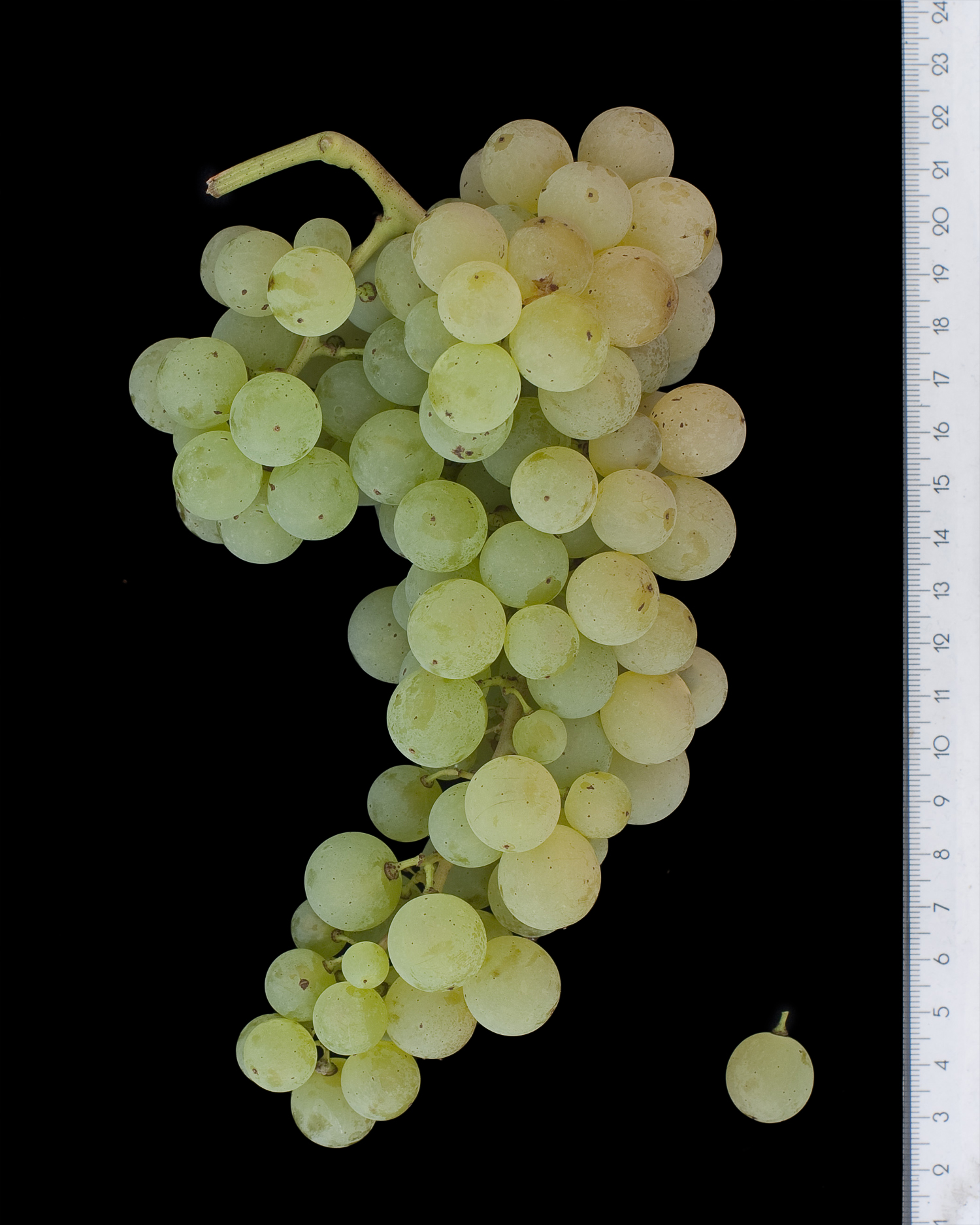
Malvasia vines exhibit some variability in their ampelographic characteristics. The apex of the shoot can be open and pigmented, while the adult leaves are generally medium to large, pentagonal, with variable lobes and U- or V-shaped petiolar sinuses. The upper surface of the leaf is green, while the lower surface may show tomentosity. The bunches are often medium to large, cylindrical or conical, compact to semi-loose, sometimes with wings.
Wine Characteristics: Aromatics and Versatility
Wines derived from Malvasia are appreciated for their distinct aromatics, ranging from fruity and floral notes to slightly spicy nuances. The color varies from pale straw yellow to shades with greenish reflections. On the palate, these wines are harmonious, with balanced acidity and salinity. The structure is generally light, often enriched by a delicate bitter note that adds complexity. Malvasia is versatile, suitable for both sparkling and still wine production, a characteristic highly valued by international markets.
Synonyms and Biotypes: The Richness of the Malvasia Family
Malvasia is known by numerous synonyms, including Malvasia bianca, Malvasia d'Istria, Malvasia friulana, Malvasia del Carso, Malvasia nostrale, Malvasia comune, and Malvasia puntinata. This diversity of names reflects its long history and adaptability to different terroirs. Furthermore, Malvasia exhibits significant intra-varietal variability, with the recognition of several biotypes. This intrinsic diversity offers producers the opportunity to explore and enhance unique expressions of the grape, differentiating themselves in the market.
Export Potential: What Foreign Buyers Are Looking For
The growing international consumer interest in authentic wines with a strong history and territorial connection positions Malvasia as a strategic export opportunity for Italy. Foreign buyers seek wines that offer a clear identity, consistent quality, versatility, and good value for money. Malvasia's long history, stylistic versatility, recognition of specific names and origins, and its potential for both niche and mass markets perfectly meet these demands. Italy's experience in valorizing and promoting traditional grape varieties is an additional strength.
Frequently Asked Questions
What are the historical origins of the name Malvasia?
The name Malvasia derives from the ancient Greek city of Monemvasia, an important wine trading center in the Peloponnese.
What are the general characteristics of Malvasia wines?
Malvasia wines are known for their aromatics, ranging from fruity and floral notes to spicy nuances. On the palate, they are harmonious, with balanced acidity and salinity, and a generally light structure, sometimes with a delicate bitter note.
Why is Malvasia considered an interesting grape for export?
Its long history, stylistic versatility (sparkling and still wines), diversity of expressions, and ability to offer wines with a clear and authentic identity make it attractive to international buyers.
Malvasia represents an Italian enological heritage with significant export potential. Its history, characteristics, and versatility make it an excellent choice for wineries looking to expand their presence in international markets.