Incrocio Manzoni: Characteristics and Potential of the Grape Variety for the Global Market
The Incrocio Manzoni grape variety, identified by the code I.M. 6-0-13, is an Italian hybrid born from the crossbreeding of Rhine Riesling and Pinot Blanc. This vine embodies a synthesis of quality and robustness, offering significant potential for export to the global wine market. Its spread, though concentrated in certain areas of Italy, is gaining attention for its peculiar agronomic and qualitative characteristics, making it an interesting opportunity for wineries wishing to expand their international portfolio with distinctive wines. In-depth study: MASAF — National Register of Vine Varieties.
Who Created the Incrocio Manzoni Grape Variety?
Professor Luigi Manzoni, an illustrious botanist and dean of the Conegliano School of Oenology, is the creator of this grape variety. The abbreviation "I.M. 6-0-13" identifies one of his most successful crossings, born from the genetic union of Rhine Riesling (father) and Pinot Blanc (mother).
What are the Ampelographic Characteristics of Incrocio Manzoni?
The shoots are cinnamon or reddish in color, robust, and vigorous. The buds are salient, tumid at the base, and conical, while the young leaf is tomentose and light green. The leaf is medium to small in size, elongated, and quinquelobate, with a dark green upper surface and a more lanuginous lower surface.
What is the Appearance of the Incrocio Manzoni Bunch and Berry?
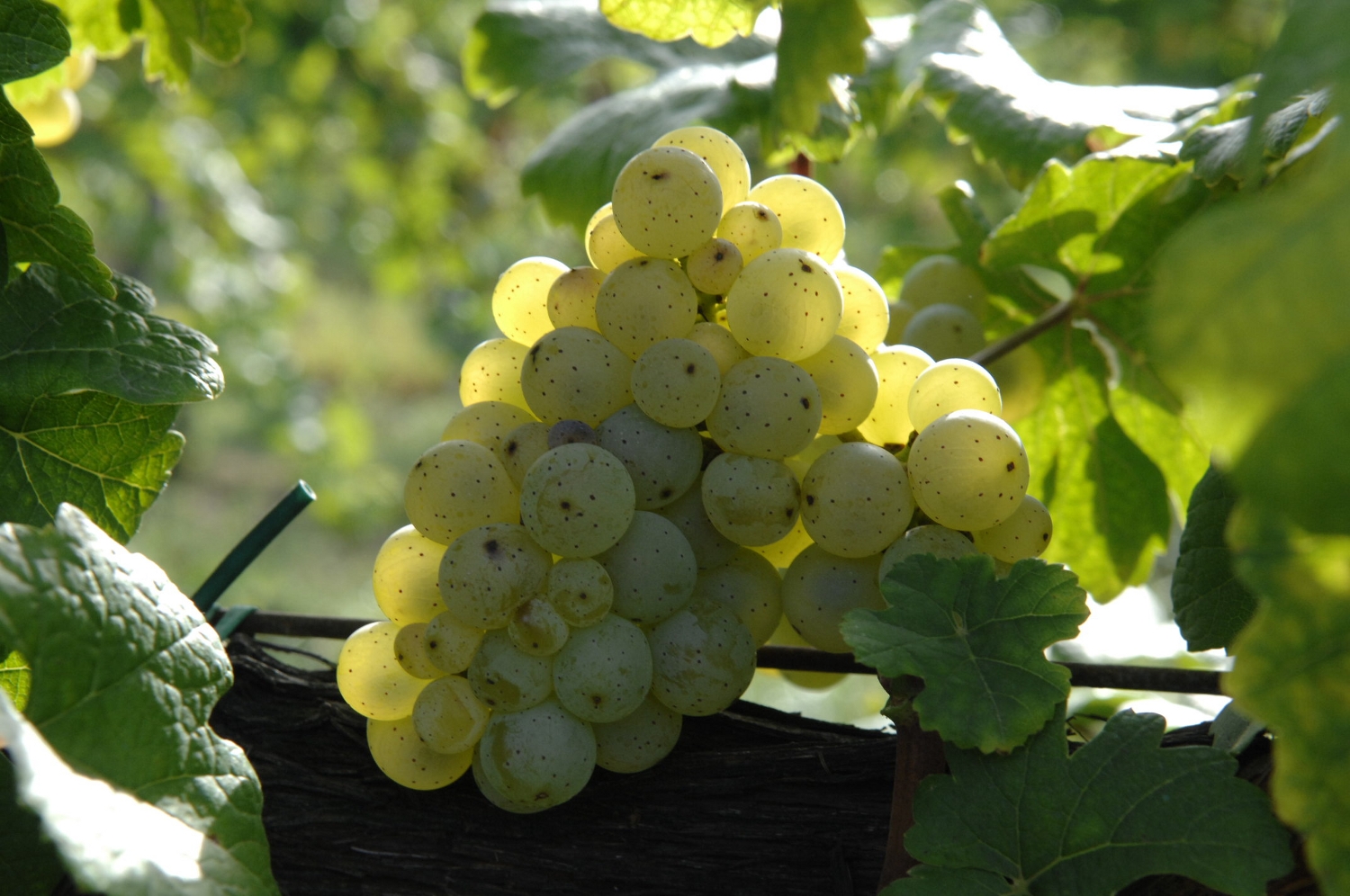
The bunch is almost cylindrical or conical, sometimes composite and with peduncular wings, medium-sized, with dense and abundant berries. The berries are sub-round or oval, with a diameter between 12 and 17 mm. The epidermis is greenish-yellow, tending to golden when ripe, with a thin or thicker skin. The pulp is dense, juicy, and adheres to the stem.
What are the Agronomic Traits of Incrocio Manzoni?
The vine shows medium vigor and a growth habit that can be drooping or erect. Production per vine is generally regular. It prefers stony, dry, and poor soils, well-exposed or hilly and sunny locations.
What are the Environmental and Cultivation Requirements of Incrocio Manzoni?
This vine is sensitive to late frosts and prefers short or less vigorous pruning. Millerandage can be a susceptibility. Its resistance to downy mildew is remarkable, defined as excellent by some sources, while powdery mildew represents a minor challenge.
When Does Incrocio Manzoni Germinate, Flower, and Mature?
Phenology indicates an early to mid-early germination period (between early and mid-April), mid-early flowering (late May-early June), and mid-early veraison (early-mid August). Ripening generally occurs in mid to late season (mid-September to late September, or even late October for some varieties).
What are the Characteristics of Wine Produced from Incrocio Manzoni?
The wines are generally straw-yellow in color, full-bodied, harmonious, and aromatic. The must exhibits good alcoholic potential (12.7 – 13.9% vol.) and a total acidity between 5.9 and 6.5 g/L of tartaric acid. High values of non-reducing dry extract are also recorded (19.8 - 23.6 g/L).
What Dishes Pair Well with Incrocio Manzoni Wine?
Thanks to its structure and aromatic profile, wine obtained from Incrocio Manzoni is well-suited for pairing with soups, creams, and velvety dishes, gratins, and vegetable and fish soufflés.
Where is Incrocio Manzoni Primarily Grown in Italy?
Currently, Incrocio Manzoni is reasonably widespread in the Veneto region, with a particular concentration in the province of Treviso. It has also found some diffusion in the Medio Friuli area.
What is the International Market Potential for Incrocio Manzoni?
The export potential lies in its ability to produce superior quality wines with distinctive characteristics, capable of attracting consumers and importers seeking novelty and authenticity. Its Italian origin positions it favorably in the global market.
Frequently Asked Questions
What are the Agronomic Advantages of Incrocio Manzoni for Export?
The remarkable resistance to downy mildew is a significant agronomic advantage that simplifies vineyard management and can contribute to greater production regularity, elements highly valued in the export context.
What Characteristics Make Incrocio Manzoni Interesting for Foreign Markets?
Its ability to produce full-bodied, harmonious, and aromatic wines with good aging potential, combined with its Italian origin, makes it an attractive option for international consumers looking for quality wines with a story to tell.
Is Incrocio Manzoni a Recommended Variety in Italian Regions Beyond Veneto?
Although reasonably widespread in Veneto, its request for inclusion among recommended varieties in Friuli testifies to its value and recognition of its qualities by industry professionals, indicating expansion potential.
To discover how Wines Export can support the export of your wines from indigenous and unique crossing grape varieties like Incrocio Manzoni, request a free consultation.