Nepente: From Origins to the International Market for Wineries
The world of wine is constantly expanding, and the valorization of lesser-known grape varieties like Nepente offers a strategic opportunity for wineries looking to tap into international markets. This article explores the ampelographic, enological, and historical characteristics of Nepente, analyzing its market potential and export strategies. Its uniqueness can attract niche markets seeking novelty and authenticity, making it an interesting candidate for wineries aiming to differentiate themselves. Read more: MASAF — National Register of Vine Varieties.
What are the Origins of the Nepente Grape Variety?
The origins of the Nepente grape variety are debated. Some sources place it in southern Russia, with early descriptions dating back to the 19th century. Other researchers suggest a derivation from Pukbliakovskhii or a presence in Azerbaijan, Armenia, and Uzbekistan. It might be associated with synonyms such as Sveni and Scireni.
Deep Dive into Origins and History
Although the precise origins of Nepente are shrouded in mystery, its presence has been documented in various regions. Its classification as a high-quality grape variety is the result of ampelographic studies over time. Its uniqueness, rather than its global diffusion, represents a strength for specific market segments.
What are the Ampelographic Characteristics of Nepente?
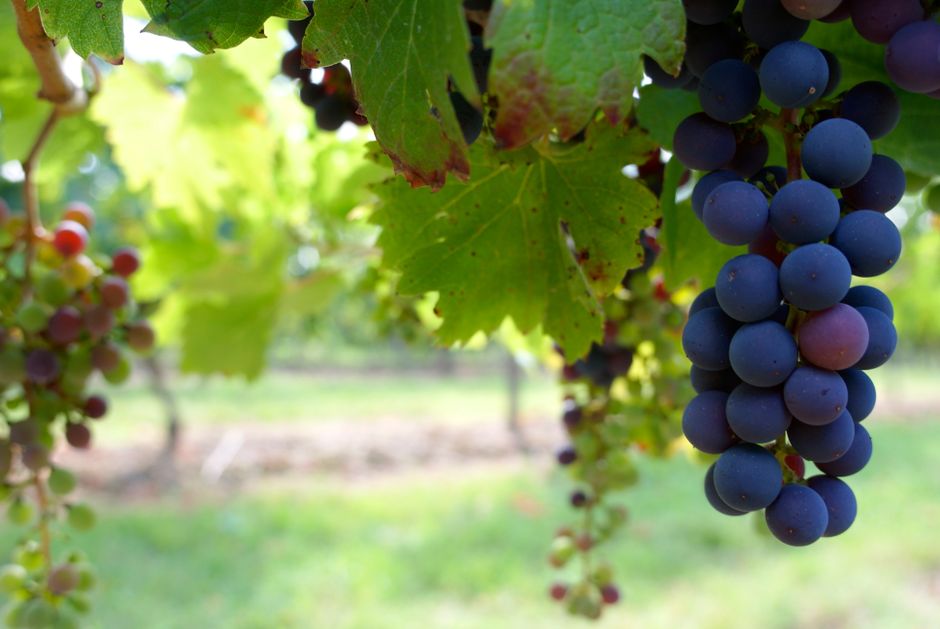
Nepente exhibits distinctive peculiarities. The bud and young leaves are tomentose and yellow. The adult leaf is medium-sized, pentalobed, orbicular or reniform, with a closed petiolar sinus and open lateral sinuses. The bunch is medium-large, conical or cylindrical, compact, and sometimes winged. The berry is medium-large, circular or flattened, with a thick yet tender skin.
Details on Vine Morphology
The morphology of the Nepente vine offers insights into its cultivation. Adult leaves display a well-defined structure, while the bunches, of varying sizes, can be compact. The berries, with their tender skins, contribute to the final characteristics of the wine. The vine's vigor is moderately robust, adaptable to different training systems.
What are Nepente's Environmental and Cultivation Requirements?
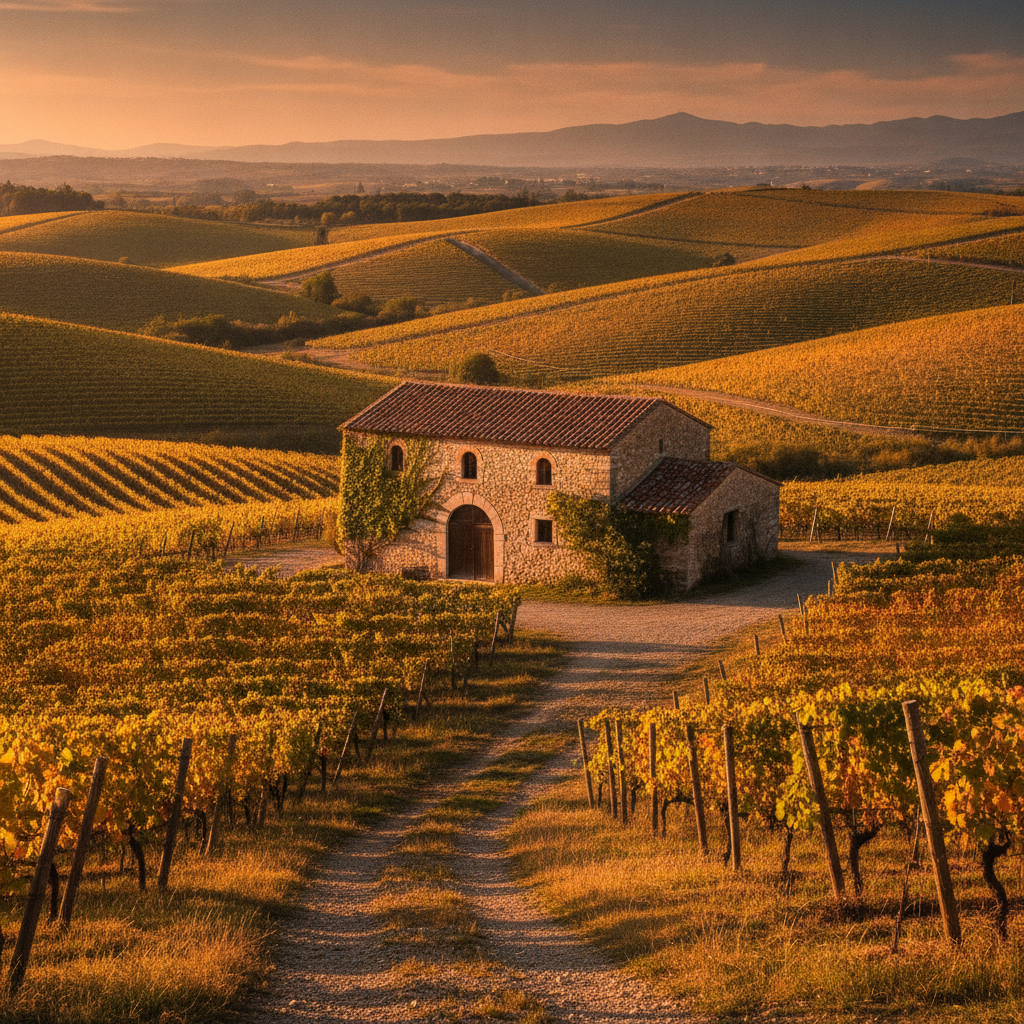
Nepente prefers sunny, clay-limestone soils but also adapts to light, gravelly, or tuffaceous soils. Cool and fertile soils are suitable, but the best quality is achieved in calcareous and less fertile soils. Sunny exposures are crucial, and in humid climates, careful green pruning is necessary to prevent diseases.
Adaptability to Soil and Climate
The Nepente vine shows good adaptability to various conditions but benefits from well-drained and sunny soils. Pruning management is important for optimizing production and plant health, especially in areas with high humidity.
What is Nepente's Sensitivity to Diseases and Adversities?
The Nepente grape variety is moderately tolerant to major fungal diseases but is sensitive to downy mildew and botrytis. Other sources indicate a general low tolerance to fungal diseases. However, it shows good tolerance to the most common animal pests.
Phytosanitary Management of the Grape Variety
Phytosanitary management requires attention, especially in humid years, to prevent production losses. Sensitivity to specific fungal diseases necessitates targeted cultivation practices to safeguard grape health.
What are the Characteristics of Nepente Must and Wine?
Sugar levels in Nepente must can vary, with interesting potential alcohol content (12.7 – 13.9% ABV). Acidity is moderate. The resulting wine can present a color ranging from straw yellow to a pale ruby red. Organoleptic characteristics include harmony, velvetiness, sapidity, and softness, with aging potential.
Enological Profile and Versatility
Nepente is a versatile grape variety capable of producing dry, sweet, fortified, and sparkling wines. The grapes are often vinified in blends, but single-varietal winemaking can enhance its unique qualities. Its ability to produce good wine, even if sometimes intended for "early drinking," is a strong point.
What is the Export Potential of the Nepente Grape Variety for Italian Wineries?
The export potential of Nepente lies in its uniqueness and its ability to attract niche markets seeking authenticity. Countries like the United States, Canada, and Australia are receptive to wines with distinctive stories. Its enological versatility allows for exploration of different customer segments.
Positioning in International Markets
Differentiation is key for Nepente's export. Its history and peculiarities make it ideal for wineries aiming to stand out. Versatility in producing various wine types opens up positioning opportunities in different market segments.
What Marketing and Sales Strategies are Effective for Nepente Exports?
For Nepente exports, effective storytelling that communicates the grape's history and peculiarities is fundamental. Clear positioning, collaboration with importers interested in niche varieties, and participation in industry events are crucial strategies.
International Promotion and Distribution
Communicating Nepente's uniqueness and authenticity builds an emotional connection with foreign consumers. Identifying business partners aligned with the wine's value proposition and ensuring high and consistent quality are essential elements for success in international markets.
Frequently Asked Questions
Is the Nepente Grape Variety Suitable for All Soil Types?
Nepente prefers sunny, clay-limestone soils but also adapts to light, gravelly, or tuffaceous soils. Cool and fertile soils are suitable, but the highest quality productions are achieved in calcareous and less fertile soils.
What are the Main Diseases Nepente is Sensitive To?
The Nepente grape variety is moderately tolerant to major fungal diseases but is sensitive to downy mildew and botrytis.
Can Nepente Wine be Aged?
Yes, Nepente wine, although sometimes intended for "early drinking," can be aged, improving its aroma and color over time.
The Nepente grape variety offers an interesting opportunity for Italian wineries looking to diversify their offerings and conquer new markets. Its history, unique characteristics, and enological versatility, supported by an adequate marketing strategy, can make it an appreciated protagonist on the international wine scene.