Chardonnay: Strategies for Italian Wineries Targeting Global Markets
Chardonnay is a globally renowned white grape variety, originating from French Burgundy, which has conquered vineyards across every continent. For Italian wineries aiming for international expansion, a deep understanding of its characteristics, from genetics to enological potential, is essential. This article explores Chardonnay's peculiarities, its history, its behavior in the vineyard, and its myriad winery applications, outlining its significant export potential.
Where Does Chardonnay Come From and Where Is It Grown Today?
Genetic studies confirm that Chardonnay is a natural cross between Pinot Noir and Gouais Blanc, originating in Burgundy, France. Its exceptional adaptability has led to its global spread, from traditional European markets to New World territories like Australia and California, and including Italy itself.
Its cultivation in Italy is widespread across several regions, including Lombardy (especially in Franciacorta), Trentino-Alto Adige, Friuli-Venezia Giulia, and Puglia. This ubiquity testifies to its ability to adapt to diverse climates and soils while maintaining a recognizable identity, making it a strategic grape for export.
What Are the Ampelographic and Cultivation Characteristics of Chardonnay?
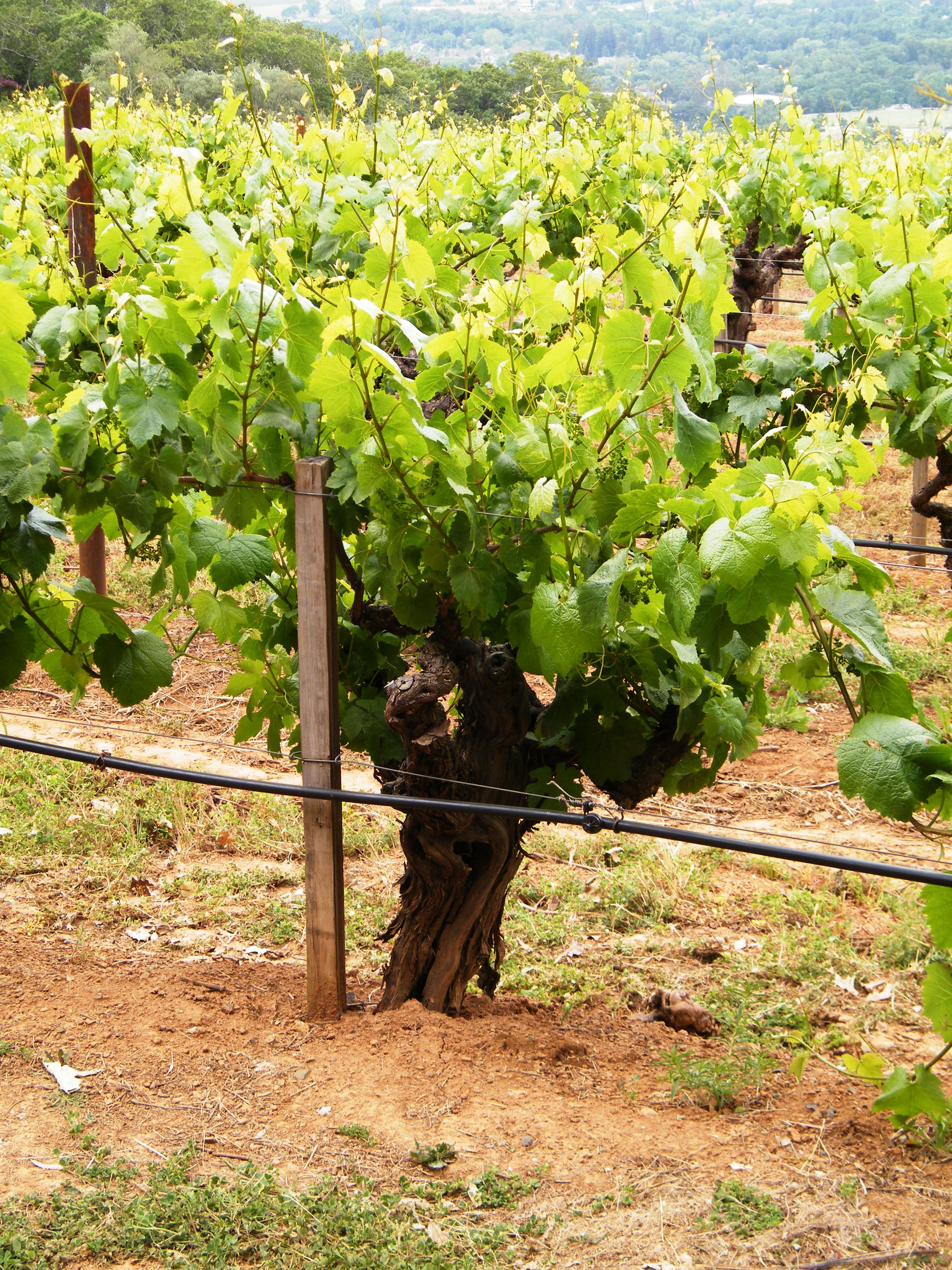
Chardonnay exhibits young shoots with a tomentose apex and yellow young leaves. The adult leaf is medium-sized, pentalobed, with a variable petiolar sinus. It favors cool, deep soils but adapts to various soil types. To optimize quality, narrower planting densities and targeted pruning are considered.
Agronomic management is crucial to enhance its potential. Techniques such as controlling productive potential, using specific clonal selections, and maintaining a careful balance between production and leaf canopy are fundamental for obtaining high-quality grapes, suitable for both sparkling and still wines.
Is Chardonnay Susceptible to Diseases?
Chardonnay has variable susceptibility to fungal diseases, being prone to downy mildew and powdery mildew, and can exhibit chlorosis. However, it shows good tolerance to noble rot. Careful vineyard management with preventive treatments and constant monitoring is essential to ensure its health.
How Is Chardonnay Transformed into Wine, and What Styles Can Be Achieved?
Chardonnay's versatility in the winery is remarkable. Its must, with variable sugar content (e.g., 20.5% or 22.0%) and interesting acidity (7.0-10.0%o, averaging 9%o), allows for the production of a wide range of wines.
Is Chardonnay Suitable for Sparkling Wines?
Yes, Chardonnay is a key component for high-quality sparkling wines, such as those from Champagne and Franciacorta. Its acidity, aromatic finesse, and aging potential make it ideal as a base for sparkling wines. Early harvesting helps preserve the necessary freshness.
What Are the Characteristics of Still Wines Made from Chardonnay?
When harvested at full ripeness, Chardonnay yields complex still wines. On the nose, aromas range from fruity notes (apple, pear) to more complex scents (citrus, white flowers, buttery notes, vanilla, toasted) when aged in wood. Wood vinification and malolactic fermentation can add structure and softness.
Can Chardonnay Be Used for Sweet or Fortified Wines?
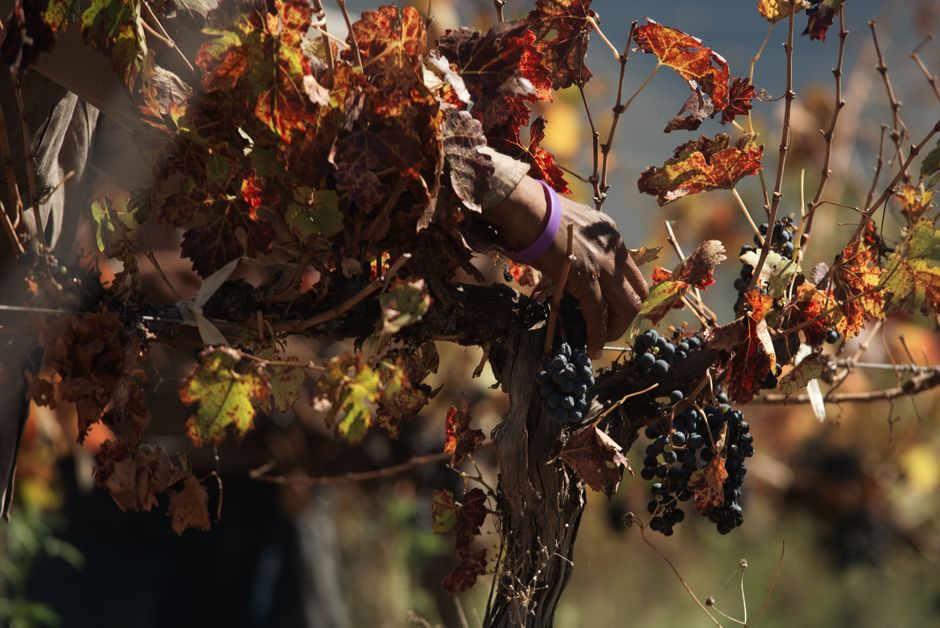
Certainly. When harvested late, Chardonnay can produce fortified or dessert wines, thanks to the high sugar concentration the grapes can reach under these conditions.
What Is the Export Potential of Chardonnay for Italian Wineries?
Chardonnay represents a strategic opportunity for Italian wineries targeting international markets. Its global recognition facilitates the introduction of new products. Italian wineries can differentiate themselves by focusing on the quality and uniqueness of their terroir, highlighting regional specificities or innovative winemaking techniques.
The ability to produce both high-end sparkling wines and complex still wines allows for coverage of different market segments. Chardonnay's inclusion in the Italian National Catalogue of Varieties in 1978 adds a historical element that can be leveraged in foreign communication.
If your winery is interested in exploring export opportunities for your Chardonnay wines or other grape varieties,
.
- Historical Source (archive.org)
- Historical Source (archive.org)
- Historical Source (archive.org)
- Historical Source (archive.org)
Frequently Asked Questions
In which Italian regions is Chardonnay most extensively cultivated, and what are its vineyard characteristics?
Chardonnay is cultivated in various Italian regions, including Lombardy (especially in Franciacorta), Trentino-Alto Adige, Friuli-Venezia Giulia, and Puglia. In the vineyard, it favors cool, deep soils but adapts to different soil types, requiring careful agronomic management to optimize quality.
What are the main wine styles that can be obtained from Chardonnay, and what are its aromatic characteristics?
Chardonnay is extremely versatile in the winery, allowing for the production of high-quality sparkling wines, complex still wines with fruity notes and more evolved scents if aged in wood, and even fortified or dessert wines if harvested late.
What is the added value of Chardonnay for Italian wineries focusing on export, and when was it inscribed in the National Catalogue of Varieties?
Chardonnay offers a strategic export opportunity due to its global recognition, allowing Italian wineries to differentiate themselves by focusing on quality, terroir, and innovative winemaking techniques. It was inscribed in the Italian National Catalogue of Varieties in 1978.