Trebbiano Toscano: History, Characteristics, and Success in the Italian Wine Market
Trebbiano Toscano is a fundamental white grape variety for Italy, appreciated for its versatility, productivity, and adaptability. With roots stretching back to ancient Rome, this grape is a cornerstone of many Italian DOC and DOCG wines. Its growing export potential lies in its ability to offer quality, authenticity, and excellent value for money, meeting the demands of international markets seeking distinctive Italian wines. Learn more: MASAF — National Register of Vine Varieties.
What is the history and origin of Trebbiano Toscano?
The origins of Trebbiano Toscano are ancient and Italic, with attestations dating back to Roman times. Although its exact area of origin is debated, its widespread cultivation has been documented since the 19th century, making it one of the most cultivated grape varieties in Italy.
Trebbiano Toscano was documented in the Ampelographic Bulletin of 1875 and cited by scholars such as Di Rovasenda in 1877. As early as 1892, according to Sannino, it was the most cultivated grape variety in some provinces, such as Teramo. Its ubiquity in almost all Italian regions is due to its adaptability, disease resistance, and high productivity. It accounts for about one-third of the national white wine production.
What are the ampelographic and agronomic characteristics of Trebbiano Toscano?
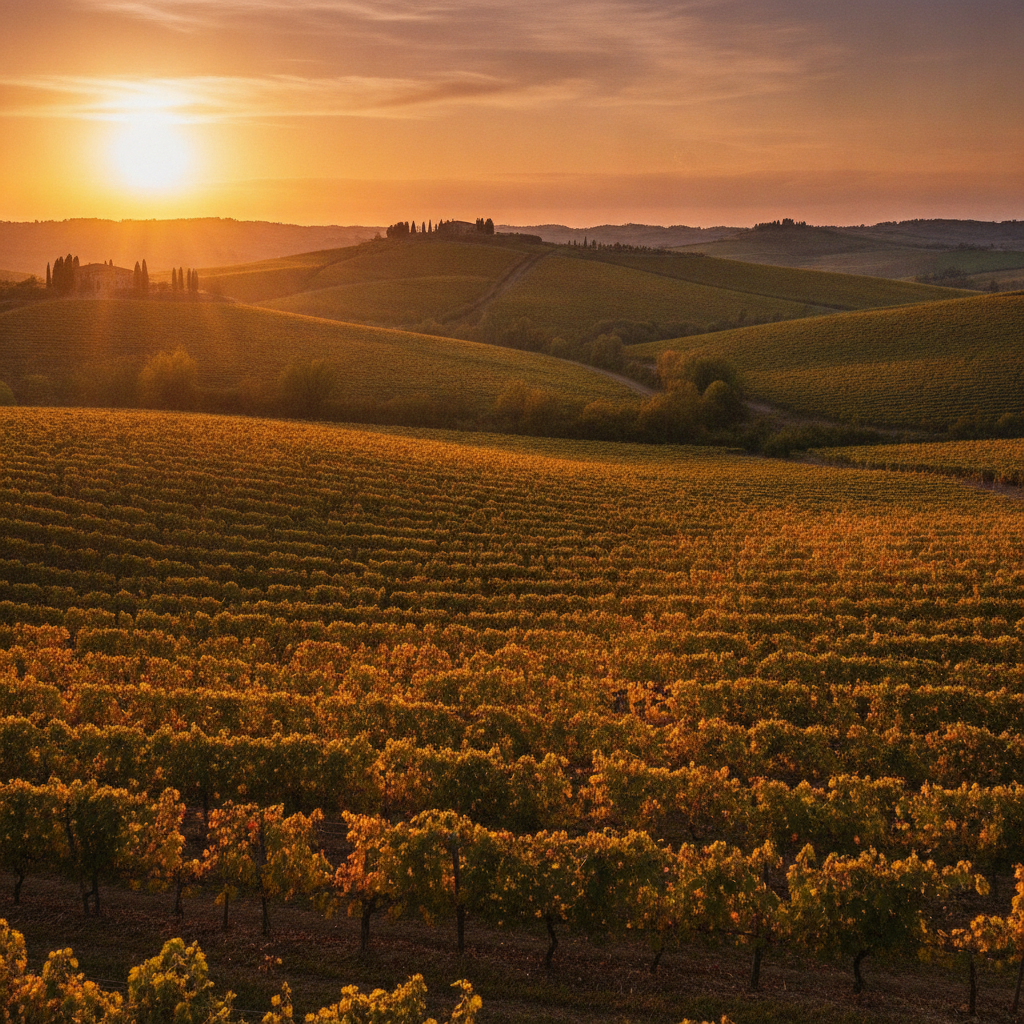
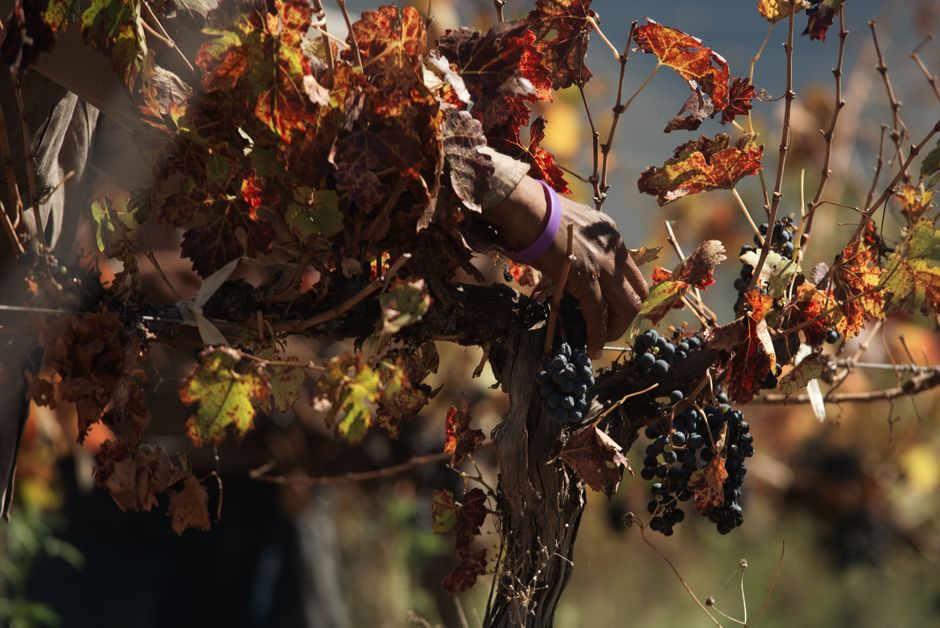
Trebbiano Toscano is a vigorous vine with variable growth habits. Its leaves are medium to large, pentagonal and pentalobate, with a often wavy surface. The bunch is medium, cylindrical-conical, compact, weighing between 250-500 grams. The berry is medium, sub-round, with a thin, waxy skin of a straw-yellow color.
This grape variety prefers warm climates and light soils but also tolerates humid climates. Its fertility is good, with yields per hectare that can be high but require control for quality wines, as seen in the production of "Pezza" DOC wines in Creta, where yields are below 100 quintals per hectare.
Is Trebbiano Toscano sensitive to diseases and adversities?
One of the reasons for its widespread diffusion is its intrinsic resistance. Trebbiano Toscano has normal tolerance to fungal diseases and is little susceptible to the main vine pathologies.
This robustness reduces the need for intensive phytosanitary treatments, promoting more sustainable production. Its ability to resist diseases and pests is a key factor that has led to its enormous spread over the centuries.
What are the chemical characteristics of Trebbiano Toscano must and wine?
The must of Trebbiano Toscano has a good sugar content (20-22 °Brix) and acidity between 6.0-7.0 g/l, with a pH of 3.8-4.0. The resulting wine is typically a brilliant straw yellow, with aromas of white flowers, yellow fruit, aromatic herbs, and minerality.
On the palate, the wine is fresh, savory, with good acidity and longevity. Rarely vinified as a single varietal, it is often used in blends to impart freshness and structure, as happens in Calabria. It can produce young wines or age gracefully. The "Fren '24" by Fezzigna, with notes of yellow fruit, orange blossom, lemon zest, and thyme, has received awards such as the Two Red Glasses in the "Vini d’Italia 2026" guide, demonstrating its qualitative potential at a price under 15 euros.
What is the export potential of Trebbiano Toscano?
Trebbiano Toscano offers versatility, adaptability to different climates and soils, and disease resistance, translating into excellent value for money. Its ability to produce high-quality wines, as demonstrated by critical acclaim, elevates its perception in international markets.
Its long history, dating back to ancient Rome, provides an authentic and compelling narrative. Its skill in integrating into complex blends makes it valuable for creating distinctive wines. Its inclusion in numerous DOC and DOCG regulations guarantees its quality and territoriality.
What do foreign buyers look for in Trebbiano Toscano?
Foreign buyers are looking for authentic Italian white wines that represent Italy, with good value for money. They appreciate the gastronomic versatility of wines derived from Trebbiano, which pair easily with diverse cuisines. Some expressions of Trebbiano Toscano also show aging potential, which is interesting for more sophisticated market segments.
Trebbiano Toscano confirms itself as a strategic choice for export, capable of offering value, quality, and authenticity to global consumers.
Frequently Asked Questions
What is the history and origin of the Trebbiano Toscano grape variety?
The origins of Trebbiano Toscano are ancient, dating back to Roman times. Its spread in Italy has been documented since the 19th century, making it one of the most cultivated grape varieties in the country.
What are the agronomic characteristics that make Trebbiano Toscano suitable for export?
Trebbiano Toscano is a vigorous vine, adaptable to warm climates and light soils, but it also tolerates humid climates. Its good fertility and high productivity, when managed, contribute to excellent value for money.
Is Trebbiano Toscano a disease-resistant grape variety?
Yes, Trebbiano Toscano has normal tolerance to fungal diseases and is little susceptible to the main vine pathologies. This robustness reduces the need for intensive phytosanitary treatments.