Valpolicella grape varieties: Corvina, Corvinone and Rondinella behind Valpolicella, Amarone and Bardolino
Wines Export Editorial · Last updated:
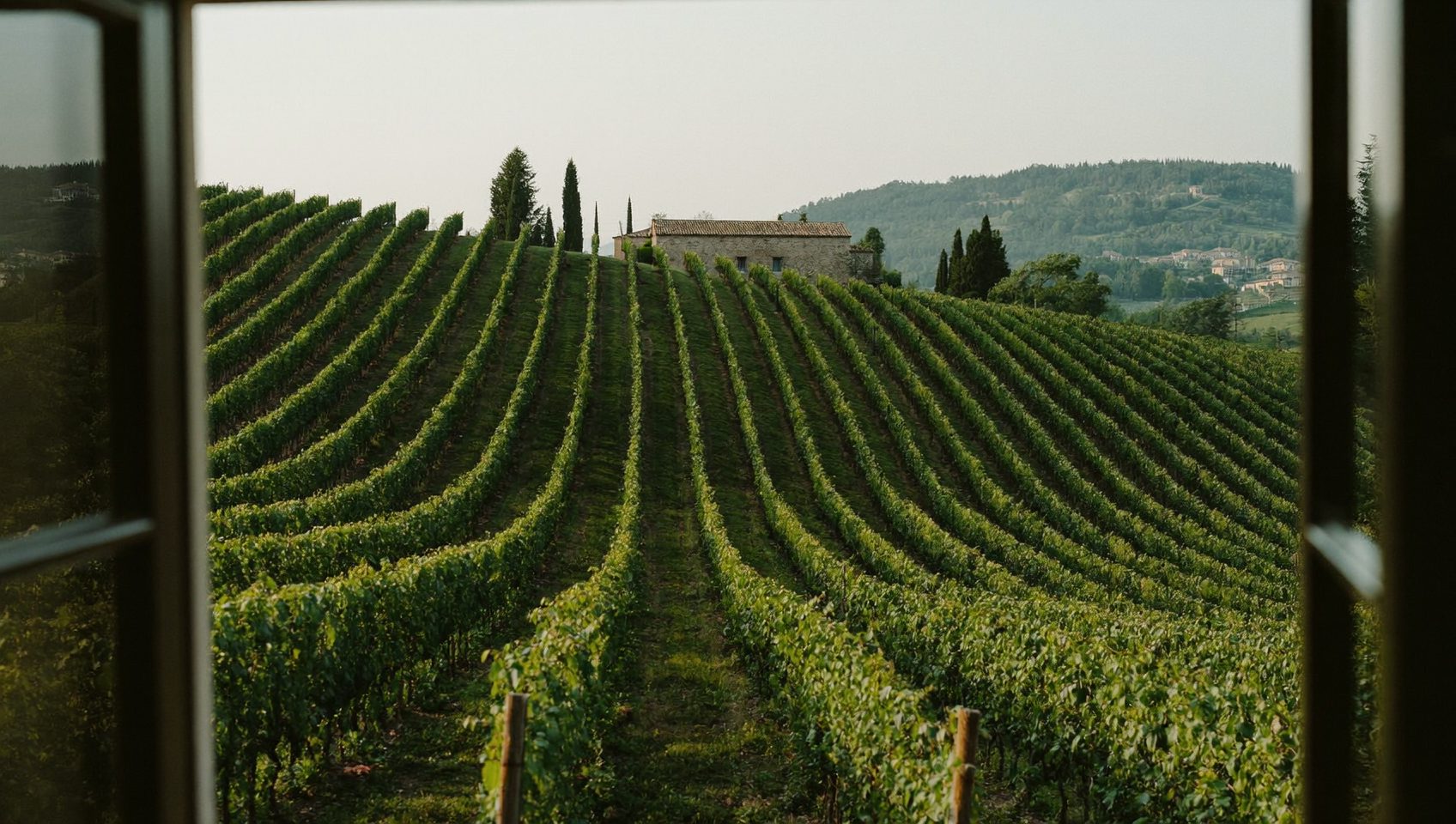
Only a few grape varieties lie behind the Veronese appellations, and the buyer searching for "valpolicella grape variety" or "amarone grape variety" wants to know which ones they are. In Valpolicella, Corvina is the dominant grape: in the summary figures published by the Consorzio, indigenous varieties account for 97%, and Corvina alone for 56%. Alongside it come Rondinella, Corvinone and other minor varieties, and their presence changes depending on whether the wine is a Valpolicella DOC, a Ripasso, an Amarone or a Bardolino. Here you will find the main varieties, what the production specifications say, and what changes in the glass and in the price. For the rules of each wine type, we refer you to Ripasso and Amarone in the production and sales pyramid.
Corvina Veronese: the main grape variety of Valpolicella
The Consorzio per la tutela dei vini Valpolicella includes growers, winemakers and bottlers from 19 municipalities in the province of Verona, and represents over 80% of the producers who use the appellation. In its summary figures, Corvina is the variety with the largest share. For importers, this means the profile of the base wine comes from a specific grape, and asking for the variety on the technical sheet is more useful than asking only for the appellation.
The Consorzio describes annual-vintage Valpolicella as a young and fine wine, with a winey aroma and a fresh flavour, obtained through classic red winemaking of the Valpolicella grapes followed by a brief ageing. This description does not list the varieties one by one, and for that reason it should be read together with the percentages in the production specification, which remain the legal source.
Corvinone, Rondinella and Molinara: the complementary varieties
In the same summary figures, Rondinella accounts for 19% and Corvinone for 18%, while the other varieties reach 4%. The sum of these four values gives the 97% attributed to indigenous grapes, so the picture is consistent, but the exact calculation basis is not declared on the page and should be verified before citing it in a contract or product sheet.
Molinara does not appear with a share of its own in these figures. Anyone who wants to list it on a sheet or in a presentation for an importer should check its presence in the production specification of the individual appellation, without taking it for granted. The same caution applies to Corvinone and Rondinella: they are different varieties from Corvina, and confusing them on a sheet is a mistake that a foreign buyer will notice immediately.
| Variety or share | Figure declared by the Consorzio |
|---|---|
| Indigenous grapes (total) | 97% |
| Corvina | 56% |
| Rondinella | 19% |
| Corvinone | 18% |
| Other varieties | 4% |
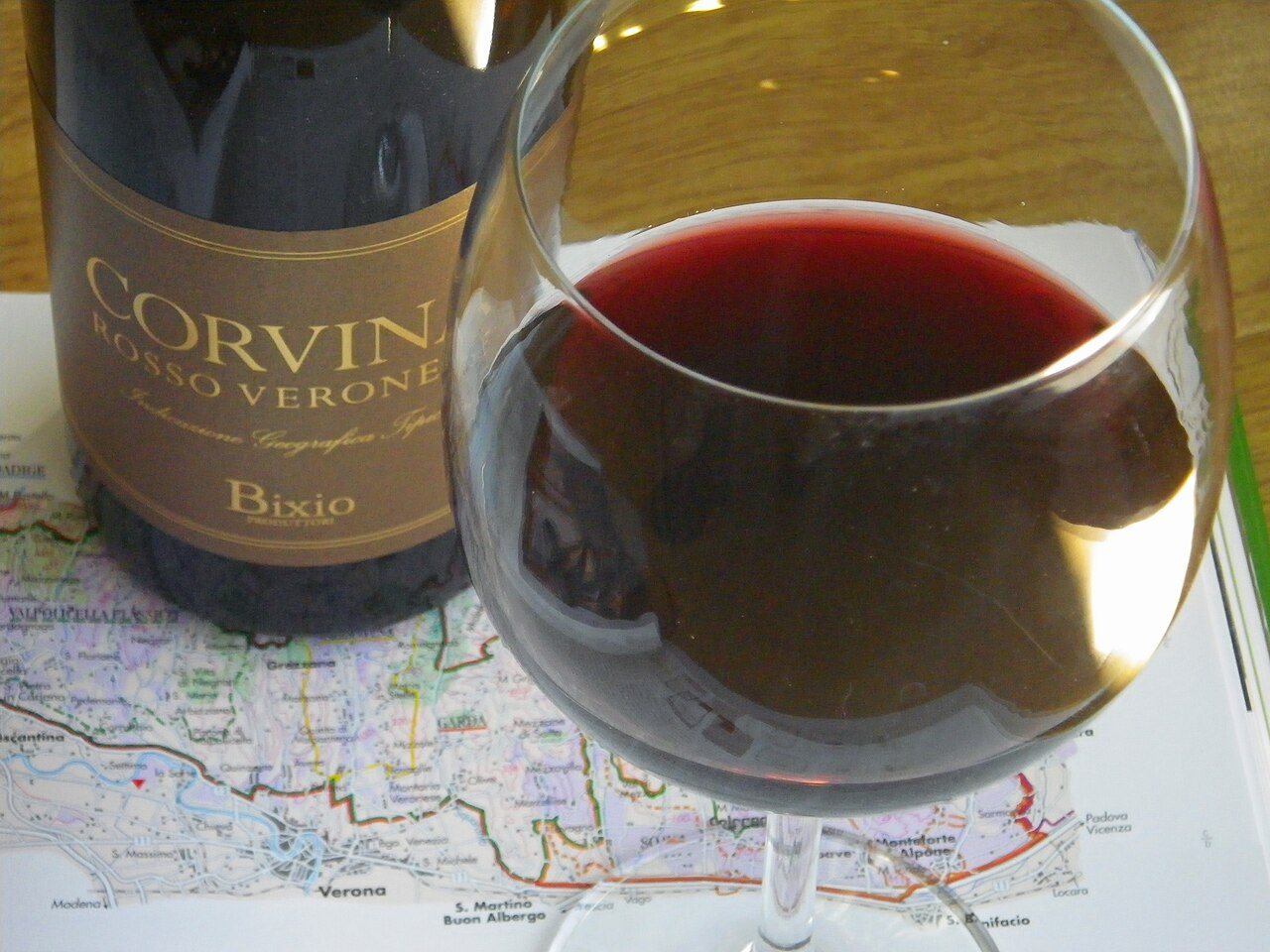
The percentages in the specifications: Valpolicella, Ripasso, Amarone, Recioto and Bardolino
The production specifications for Valpolicella, Ripasso, Amarone, Recioto and Bardolino set the grape percentages precisely, and those figures are not reproduced here: the data must be taken from the official specification of the individual appellation. The Masaf collects the lists and specifications of DOP and IGP wines, with 411 DOP production specifications divided by letter, and the single document of each appellation can be found in the European register e-Ambrosia.
When the specification changes, the sheet to send abroad changes too. The Consorzio della Valpolicella points out that the appellation includes a Classico zone, a Valpantena zone and the Valpolicella DOC zone: the sheet must be built on the specification of the declared type, not on a generic memory of the appellation.
For Bardolino the picture is different. The Consorzio points out that the production area extends east and south-east of Lake Garda, with a specification dating from 1968, and that the ordinary amendments to the specification were published in the Gazzetta ufficiale on 12 April 2021. The grape shares of Bardolino should be read in its specification, not on this page. For the differences between types and sub-zones, we refer you to Bardolino DOC, Superiore DOCG, Chiaretto and sub-zones: the differences.
Appassimento: how the grape varieties react
Appassimento (grape drying) is the step that most changes how the grapes behave. The Consorzio explains that for the Superiore type, grapes are selected from the most suitable vineyards, sometimes with light appassimento, which lead to higher alcohol and firmer structure, and that the wine must age for at least one year before being released to the market.
Ripasso follows a different logic. The Consorzio describes it as obtained by re-fermenting the base Valpolicella on the residual pomace of Amarone and Recioto, with an increase in alcohol, polyphenolic substances and extracts. The result is a medium-structured wine with a full body and good longevity. For the buyer, this means the same Corvina base can give very different wines depending on the stage at which it enters the process. A Valpolicella and a Ripasso can come from the same vineyards, but the second requires a second fermentation and a richer profile, and therefore a different price and positioning on the foreign shelf. For Amarone, with its logic of full appassimento, the useful reference is the dedicated Amarone sheet for buyers abroad.
What changes in the glass and in the price between appellations
In the glass, the most obvious difference is structure. Annual-vintage Valpolicella is fresh and pleasantly lively, suited to starters, light first courses and summer dishes. Superiore, with a minimum one-year ageing, pairs with main courses, red meats and medium-aged cheeses. Ripasso is rounder and more long-lived, while Amarone is made from dried grapes.
On price there are no figures here, because the Consorzio publishes only production shares. The data the Consorzio declares is the distribution of volume: in 2024 the appellation produced 59 million bottles, and Ripasso accounts for 48%, Valpolicella DOC for 29%, Amarone and Recioto for 23%.
| Appellation | Share of 2024 bottles |
|---|---|
| Valpolicella Ripasso DOC | 48% |
| Valpolicella DOC | 29% |
| Amarone and Recioto della Valpolicella DOCG | 23% |
The importer's margin depends on the starting ex-cellar price, the cost of transport, the duties of their country and the channel through which they sell. A wine with more appassimento or more ageing reaches the consumer at a higher price, and the distributor must be able to justify it with a clear description of the grape variety and the type.
To build the calculation, start from the type and the declared grape variety, because a buyer who has to answer a customer's question about "what grapes are in it" cannot do so without the correct sheet.
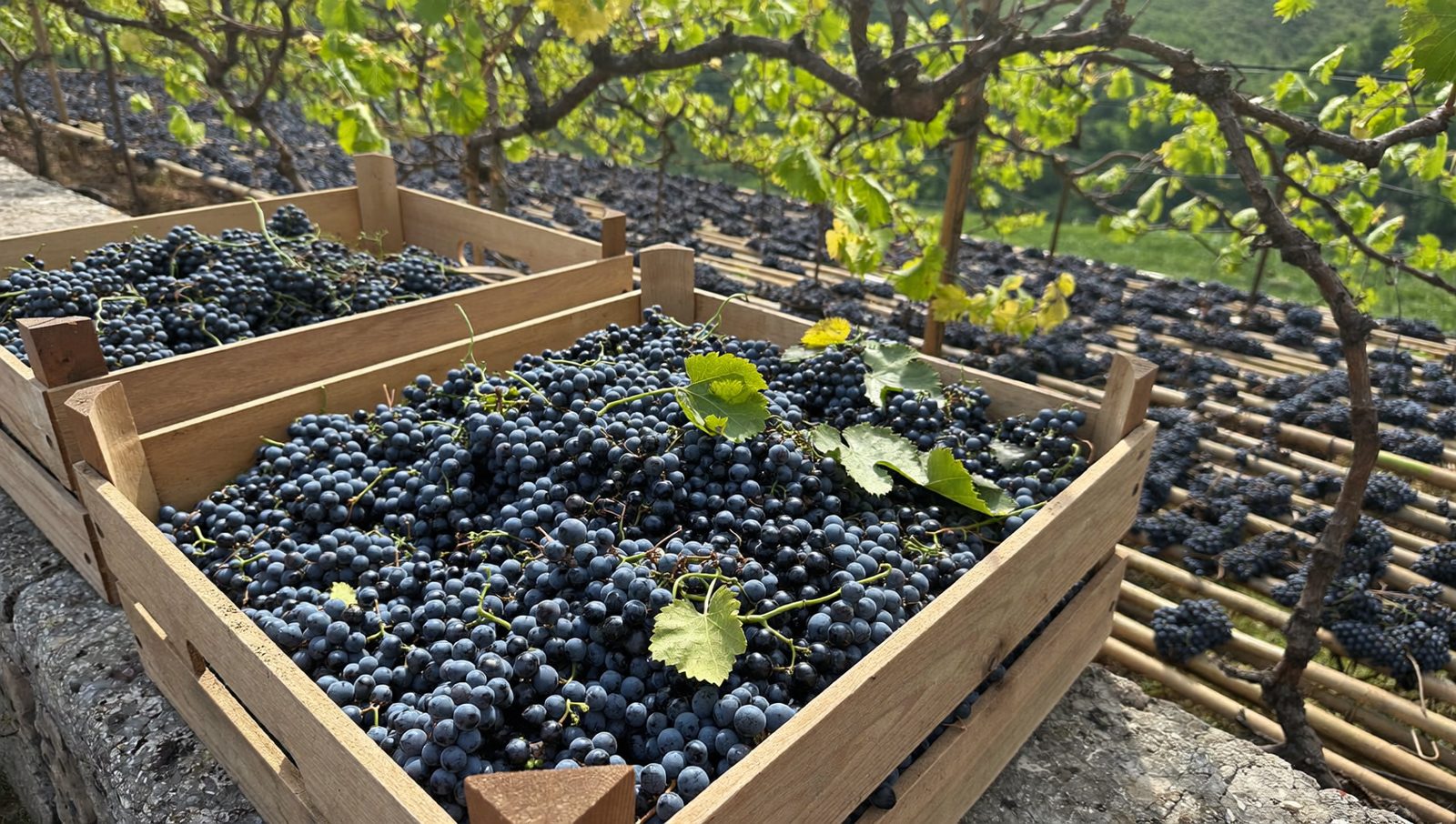
How to state the grape varieties on the label and the export sheet
The first mistake to avoid is using the grape variety name where the specification requires the appellation, or vice versa. On a technical sheet, the correct order is appellation, type, vintage, then the grape varieties in the proportions set by the specification. For an average exporting winery, it is worth checking this step with a technician before printing labels for the foreign market.
For grape variety names, the international reference is the VIVC catalogue, an encyclopaedic database containing about 23,000 cultivars, crossing lines and Vitis species, with passport data and photographs. The catalogue serves to verify synonyms and names used abroad, which may differ from Italian ones. Wineries in Verona that already work with foreign markets can compare their sheets with the page dedicated to wineries in Verona for export.
For Valpolicella as a market more generally, the operational reference is the sheet for foreign buyers on the Valpolicella appellation.
Frequently asked questions
What is the main grape variety of Valpolicella?
In the Consorzio's summary figures, Corvina is the most present variety, with 56% of the grapes. Rondinella and Corvinone follow with 19% and 18%. For the specific type, however, it is better to read the specification.
Do Ripasso and Amarone use the same grape varieties as Valpolicella?
Ripasso comes from re-fermenting the base Valpolicella on the residual pomace of Amarone and Recioto, so the starting grapes are the same as the appellation's. The precise proportions, however, are defined in the specifications of the individual types.
Is Bardolino made with the same grape varieties as Valpolicella?
Bardolino belongs to a different appellation, with a production area east and south-east of Lake Garda. Its grape shares must be checked in its own specification, because the Valpolicella figures cannot be transferred.
Sources
- Wine bottle dimensions: height, diameter, EU shapes
- Collio DOC: Zone, Grapes, Collio Bianco, Riserva, Rules
- Exporting Italian Semi-Sweet Wines to the USA: A B2B Guide
- Chianti Classico DOCG: Zone, Sangiovese, Gran Selezione, UGA
- Grape drying (appassimento): methods, rules and wines
- Charmat-Martinotti method: autoclave, yeasts and timing