Italian DOP Wine Production Regulations: How to Read Them and What They Bind for Wineries and Exporters
Wines Export Editorial · Last updated:
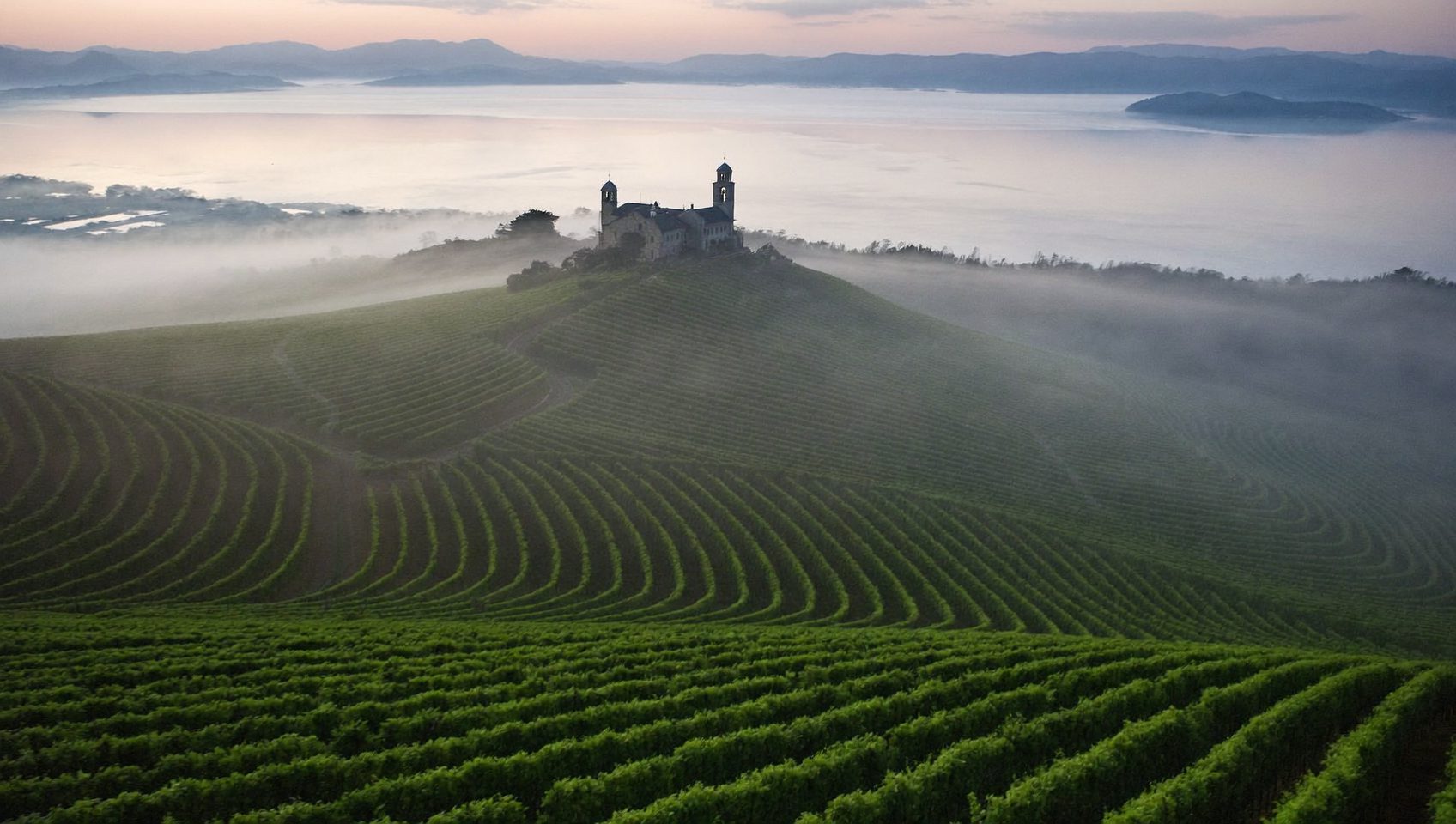
The production regulation (disciplinare di produzione) is the document that sets the rules of a designation: area, grape varieties, styles, bottling and labelling terms. The Franciacorta Consortium describes it as the regulatory document that establishes the rules for producing DOCG wine. For exporters, the regulation determines which name you can put on the label and which practices fall outside the designation. Here we show you how to read it article by article, using the Franciacorta regulation as a concrete example, and where to find the official text of each DOP or IGP wine. For the Franciacorta case, see Franciacorta designation: what foreign buyers should know.
Where to find the official regulations
The Ministry of Agriculture (Ministero dell'agricoltura) publishes the list of regulations, divided into two groups: production regulations for DOP wines, which the page gives as 411, and regulations for IGP wines, given as 111. The DOP regulations are collected in three alphabetical files, from A to D, from E to N and from O to Z, while the IGTs have a separate file. The same page refers to the Single Document (Documento Unico) of each designation, which can be reached from the European e-Ambrosia register: select the Italian language, then the vineyard register (Schedario viticolo), search for the designation by name and open the file.
The path matters more than the file name. On the Ministry's page the regulations are grouped in alphabetical files, so to find a designation it is advisable to start from its exact name, including spelling variants. The Single Document is the European technical summary, while the national regulation is the text that governs the winery. When the two do not match, a buyer should rely on the version in force for the vintage being sold, and this should be confirmed with the consortium before printing the label.
Article by article: area, grape varieties, styles
A regulation almost always opens with the articles on the designations and wines, then moves to the grape-variety base and the production area of the grapes. In the Franciacorta regulation, the first article establishes that the designation is reserved for wine obtained exclusively through second fermentation in bottle and removal of the deposit by disgorgement (sboccatura). The permitted styles are three: "Franciacorta", "Franciacorta" Satèn and "Franciacorta" Rosé. For exports, this means the style name on the label must match a permitted style, not a commercial choice.
Article 2 is the one a buyer reads first, because it states which grapes go into the wine. The table summarises the composition by style as stated in the regulation.
| Style | Base grape variety | Pinot Bianco | Erbamat |
|---|---|---|---|
| Franciacorta | Chardonnay and/or Pinot Noir | up to 50% | up to 10% |
| Rosé | Chardonnay up to 65%, Pinot Noir for at least 35% | up to 50% | up to 10% |
| Satèn | Chardonnay minimum 50% | up to 50% | not provided for in art. 2.3 |
The regulation governs the composition of the winery's own vineyards, not market choices. If your winery has vineyards planted with other varieties, those grapes do not enter the designation unless the text permits them. Article 3 sets the production area of the grapes. For Franciacorta it is the province of Brescia, with a list of municipalities and a boundary described road by road. Wineries with vineyards near a border should check the municipal map, not rely only on the province name.
Yields and alcoholic strength are set in separate articles. For Franciacorta, art. 4.5.1 sets the maximum grape yield at 10 tonnes per hectare, with a 20% overrun that may only go to IGT "Sebino". Art. 5.3 sets the maximum yield of grapes into base wine, before the second fermentation, at 65%: if it is exceeded, all the wine loses the right to the DOCG and may become DOC "Curtefranca" or IGT "Sebino". For figures on the alcohol content of another designation, see our note on minimum alcohol content of Prosecco DOC and DOCG wines, which covers that case with its own regulatory references.
Bottling within the area: what to check
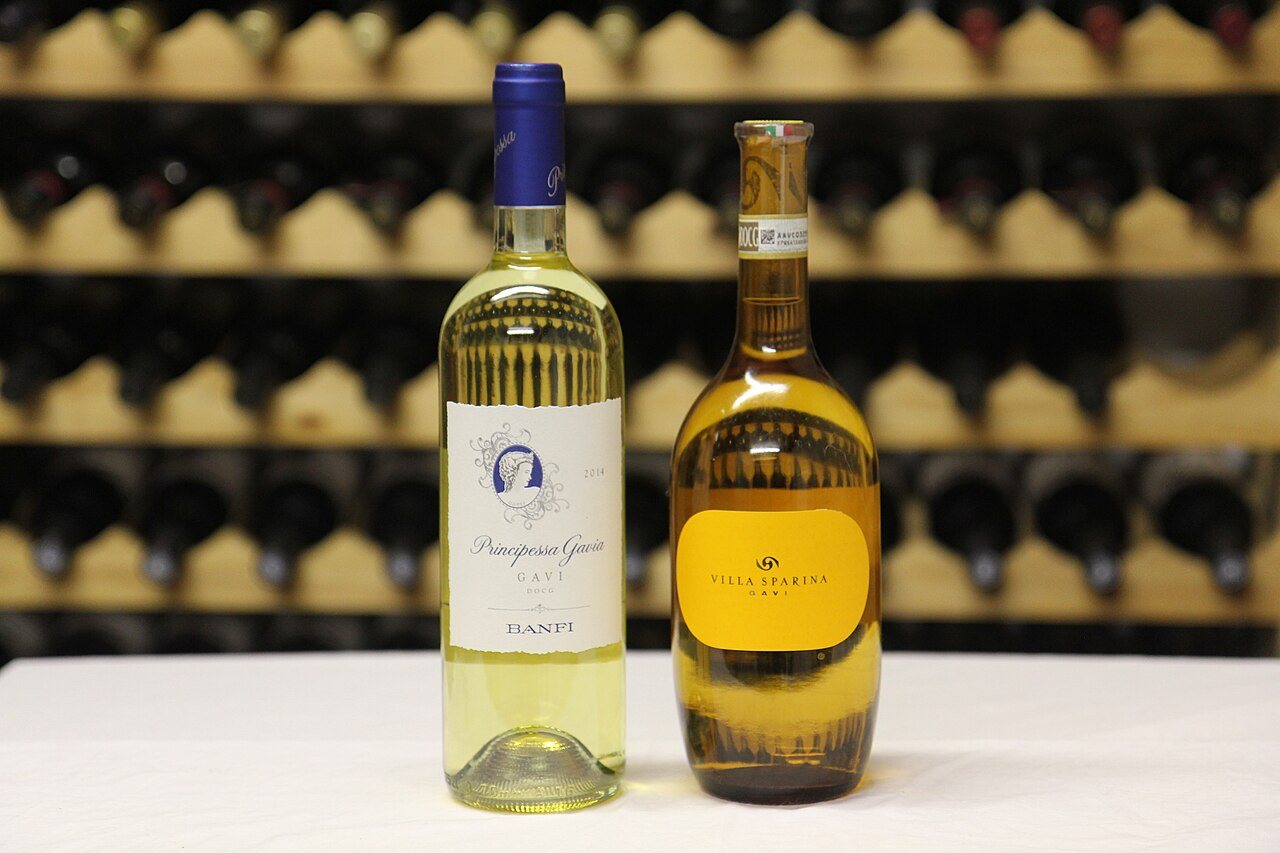
This point must be verified in every regulation, because it may tie the designation name to the bottling location. If the regulation provides for it, wine bottled outside the area cannot use the designation name. Franciacorta has this rule. Art. 5.1.1 requires winemaking, tirage, bottle fermentation, disgorgement and packaging to take place within the production area defined in art. 3. Art. 5.1.2 allows an exception for companies with wineries in the hamlet of San Pancrazio in Palazzolo sull'Oglio and in the municipalities only partly included in the area, provided they prove to the control body that they already carried out these operations before the regulation came into force. For another designation, check the dedicated article in the official text and ask the consortium for written confirmation.
This affects logistics, because it determines at which facility the wine moves from bottle to shipment. If the winery does not have a bottling line in the area, that choice should be made before accepting the order, not after. When in doubt, a buyer should ask the winery in writing where the wine was bottled and under what verification.
Labelling terms, styles and sub-areas
Label terms, like styles, are controlled by the regulation. In Franciacorta, the Satèn style requires a minimum share of Chardonnay, and the Rosé requires a minimum share of Pinot Noir. If a winery wants a different version, the wine must be described with the name the text provides, not a new one. For sub-areas, the regulation is the only reference: if a sub-area does not appear in the text in force, it cannot appear on the label.
For an importer, the style is the first item to check on the technical sheet. If the sheet says Satèn and the regulation requires Chardonnay minimum 50%, the document must match the actual composition. A technical sheet that does not correspond to the label creates a documentation problem that the buyer must resolve before importing.
How a regulation is amended
A regulation is not fixed. The Franciacorta text records its history: approved as a DOC by DPR 21.07.1967, then as a DOCG by DM 01.09.1995, and amended several times up to DM 07.05.2024. Each amendment has a date and a publication reference, either in the Official Gazette (Gazzetta Ufficiale) or, for the more recent ones, on the Ministry's website, and it may change what you can write on the label. For the foreign reader, the useful question is which version applied to the vintage of the wine.
Ordinary amendments follow a national and then European procedure. The Ministry's page refers to the decision of 12 July 2019 on the publication in the Official Journal of the European Union of the list of ordinary amendments to the regulations of Italian DOP and IGP wines. For comparison, our note on the Tokaj DOP production regulation 2026 is another case of an updated text to check before every shipment.
What to ask the consortium before launching a new export label
Before printing a label for a foreign market, four questions organise the check. Each corresponds to a different article of the regulation, and it is worth noting the answer together with the article number so that the buyer can verify it. Which version of the regulation applies to the vintage on sale? Is the style you want to use provided for, and under what name in a foreign language? Does the wine comply with the composition of the winery's vineyards and with the production area? Is there a pending amendment that will change the rule before the sale?
The consortium is the reference for these questions, because it oversees the application of the regulation and the proposals for amendment. For designations with more than one style, our note on Primitivo di Manduria DOC sweet natural and DOCG: consortium and export is a useful starting point. To compare two styles from the same area, you can read the note on alcohol and export price differences between Moscato d'Asti and Asti DOCG.
Frequently asked questions
Where can I find the regulation for an Italian DOP wine?
The Ministry of Agriculture website has the list of DOP and IGP regulations, divided into alphabetical files. The Single Document for each designation is in the European e-Ambrosia register, following the path indicated on the Ministry page. For Franciacorta, the regulation is also published on the Consortium website, with its history of amendments.
Does the regulation change over time?
Yes. The Franciacorta regulation records amendments by ministerial decree from 1996 to 2024: those up to 2011 are published in the Official Gazette, and later ones on the Ministry website. For a shipment, what matters is the version in force for the vintage of the wine, not the version you consulted in the past.
Does the regulation state how much wine can be produced per hectare?
Yes. For Franciacorta, art. 4.5.1 sets 10 tonnes of grapes per hectare and art. 5.3 a maximum yield into base wine of 65%. The Lombardy Region, on a proposal from the consortium, can lower yields by decree (art. 4.5.3). For another designation, read the figure in the dedicated article of its current regulation.
Can I use the designation name for an exported wine?
Only if the wine complies with the regulation. In the Franciacorta case, the name is reserved for wine obtained through second fermentation in bottle and disgorgement, as the first article establishes.
Sources
- Letter of Credit and Deposits for Wine Export Payments
- ISPM 15 Pallets for Wine Export: HT Treatment and Stamp
- Lightweight wine bottle weight limits: monopoly rules, CO2
- HS Codes 2204 for Wine: Bottles, Bulk and Sparkling
- Must analysis at harvest: sugar, pH, acidity, YAN
- How to Export Wine Abroad: the Steps in Order