Wine sustainability certifications: Equalitas, VIVA, SQNPI and the national standard — differences, costs and what Nordic monopolies and retail chains require
Wines Export Editorial · Last updated:
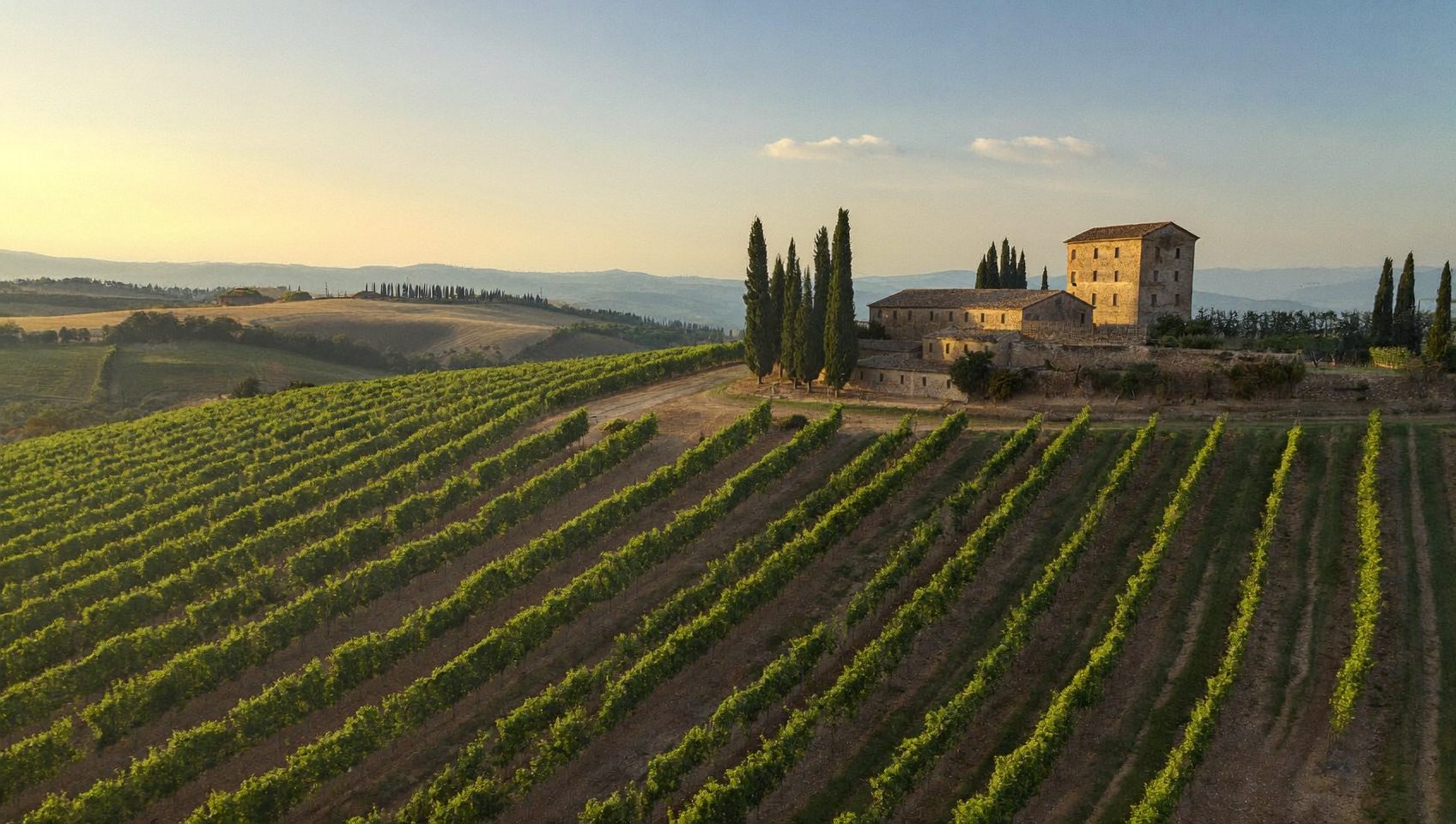
Italy has three sustainability schemes for wine that an importer may ask you to show: Equalitas, a private standard born within the supply chain and certified by third-party bodies; VIVA, the public programme of the Ministry of the Environment built on four indicators; and SQNPI, the national integrated production system on which the national sustainability certification for the wine supply chain is based, under the decree of 16 March 2022. They are not equivalent in content, but the 2022 decree placed them within a single framework: operators certified under one of the existing systems are considered compliant with the national specification and may use the distinctive sign. On the market, however, what matters is who recognises what. Systembolaget accepts Equalitas and VIVA in its list of environmental certifications, but not SQNPI; German and British retail chains work with their own social and environmental standards. Here you will find the comparison, what monopolies and chains require, and which scheme makes sense for which winery.
The market context for sustainable wine is covered on the page on organic and sustainable wine for export; the European regulatory framework is in the entry on sustainability, organic and biodynamic. This page compares only the Italian schemes and their value in markets.
Why do importers ask for it?
Because their end customers ask them to. The clearest case is that of the Nordic monopolies. Systembolaget marks, in store and online, with a green label, the beverages that meet three criteria: cultivation and production covered by environmental certification, social responsibility in cultivation and production, and packaging with a lower climate impact. The social criterion is based on the risk analysis of the amfori BSCI code of conduct, which Systembolaget has committed to follow; until 1 December 2026 some beverages produced in countries judged to be low risk meet it without certification or audit, and after that date third-party certification or audit will be required for all. Italy is not listed among the low-risk countries on the page, and for Italian suppliers third-party social certification is already today the safe route.
The same applies, under different names, to Vinmonopolet and Alko: the Systembolaget page explains that the list of accepted certifications derives from an annual comparative study carried out by an independent body (Intertek) on behalf of the Nordic monopolies, namely Systembolaget, Vinmonopolet, Alko, Vínbúðin and Rúsdrekkasøla. A certification that enters that list is therefore valid across the whole Nordic region. How the tenders work and what they require can be found on the page about the Systembolaget, Vinmonopolet and Alko tenders.
For retail chains the logic is the same, with one difference: chains often ask for supply-chain social certifications (ethical audits of suppliers) rather than environmental ones, and they set these out in their specifications, not in a public list. Ask your importer which standard appears in the chain's specification before investing in a certification.
Equalitas: what does it certify?
The official page "Lo standard" (The standard) describes the Equalitas-Vino Sostenibile standard as a shared, objective scheme certifiable by a third-party body, created for the wine supply chain and adoptable by growers, processors, bottlers and protection consortia. It certifies three dimensions: the company (Organisation standard), the finished product (Product standard) and the territory (Territory standard). Its features, according to the page, are good practices and integrated economic, environmental and social indicators; a management system that leads the company to self-assessment; the annual goal of drafting a sustainability report with improvement policies; mandatory third-party certification; and a collective mark to communicate up to the consumer. The full text of the standard and of the implementing regulation is available on request from Equalitas.
On versions, the page on revision 5 of the standard (announcement of 28 August 2025) specifies that from 1 August 2025 revision 5 is the only applicable one, after a year of coexistence with revision 4; that certificates issued under revision 4 cannot have an expiry date beyond 31 July 2026, even though the ordinary validity of certificates is three years; and that Equalitas commits to publishing a revision at least every three years. The novelties of revision 5 mentioned are the simplification of the process for farms within territorial projects, more specific indicators for the sector, and alignment with international references.
From the export point of view, Equalitas is the Italian scheme with the most explicit recognition: "Equalitas Sustainable Wine" appears in the list of environmental certifications accepted by Systembolaget for the green label, on condition that the certification is product-specific and clearly visible on the packaging. This means the Organisation certification alone is not enough: for the Nordic shelf, the Product standard is required, with the mark on the label.
VIVA: what are the indicators?
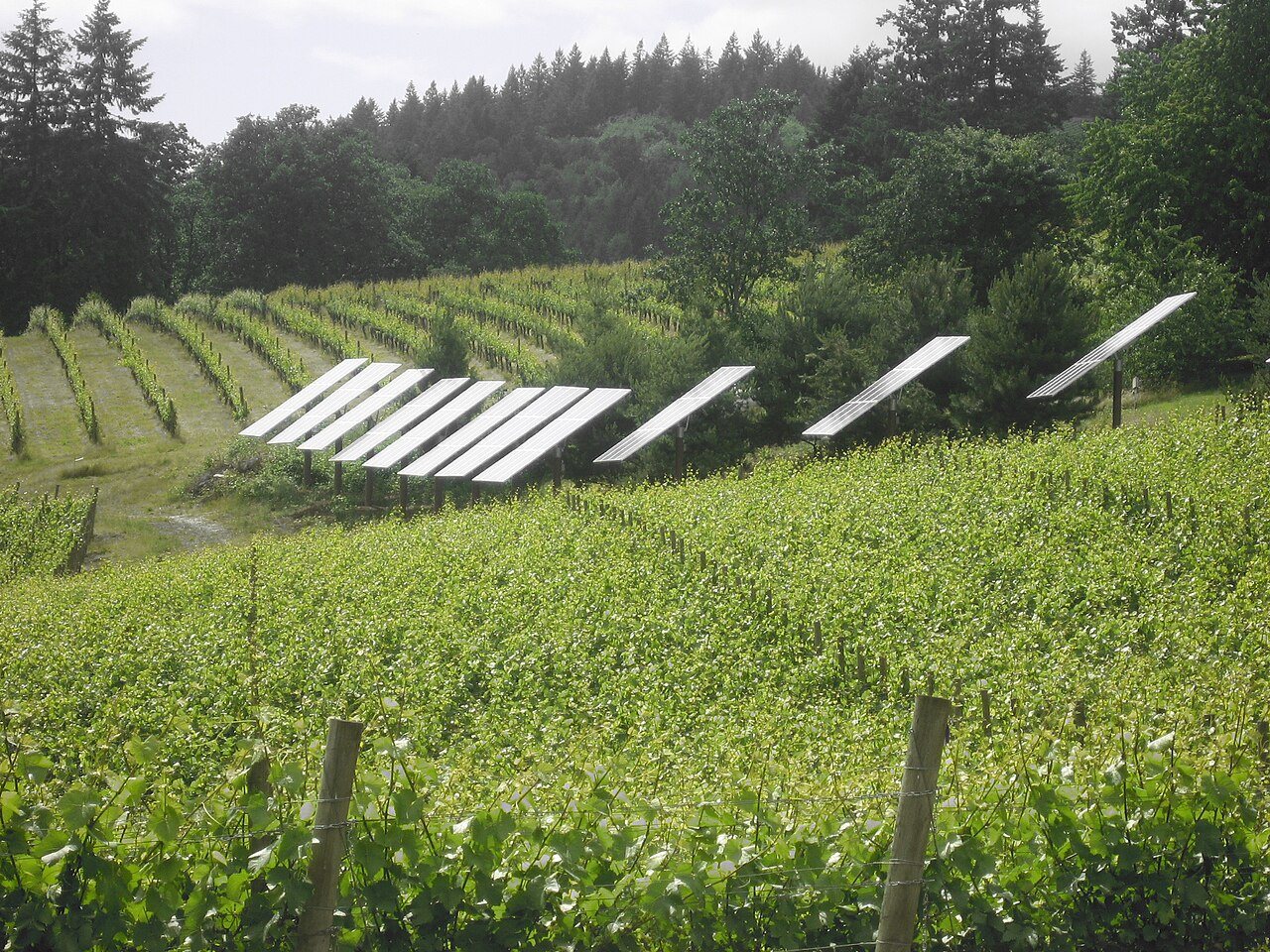
VIVA is the public programme. The official page describes it as promoted by the Ministry of the Environment and Energy Security, with scientific contribution from OPERA, a research centre of the Università Cattolica del Sacro Cuore, active since 2011 and presented as the public standard for measuring and improving the sustainability of Italian viticulture. There are four indicators, Air, Water, Vineyard and Territory, covering the environmental, economic, social and cultural pillars. Joining takes the form of a voluntary agreement that the company asks to sign with the Ministry, describing its own path; for products, there is the VIVA product certification, with the label.
The figures published by the programme give an idea of its scale: 69,110 hectares of vineyard linked to certified companies, 772,929,278 litres of wine produced, 5,441,373 bottles with product certification, over 400 professionals trained in VIVA courses, and four regional programmes that use the VIVA indicators: SOSTAIN in Sicily, VITA in Piedmont, PROiNOS in Veneto and Viticoltura Sostenibile in Friuli Venezia Giulia.
For export, VIVA is also on the Systembolaget list, as "V.I.V.A. Sustainability and culture", and so is SOSTAIN for Sicilian viticulture. The value of VIVA lies in the fact that it is a public standard, therefore not tied to a private body, and in its vocabulary of indicators, readable even by a foreign buyer: the air and water footprint of a bottle are data that a monopoly or a chain can put into its sustainability reports.
SQNPI and the national standard: how are they linked?
SQNPI is the Sistema di qualità nazionale di produzione integrata (National Quality System for Integrated Production). The Sicilian Region's page summarises its basis: law 4 of 3 February 2011, article 2, paragraphs 3-9, establishes the system and provides for a certification that guarantees the application of the technical rules of the regional integrated production specifications; checks are carried out by control bodies on the basis of control plans drawn up according to national guidelines; compliant products may carry the registered SQNPI distinctive sign. Integrated production, in the same definition, uses all production and defence means while minimising synthetic chemical substances and rationalising fertilisation.
The national wine sustainability standard is built on this. Departmental decree no. 124900 of 16 March 2022 of the Ministry of Agricultural Policies approves the specification of the sustainability certification system for the wine supply chain, established by article 224-ter of decree-law 34/2020, converted by law 77/2020. Article 1 establishes that, for 2022, the specification is identified with the wine-chain-specific standard of SQNPI, supplemented by the additional commitments of the "transitional optional certification" of the SQNPI standard (adhesion, management and control, revision 11 of 16 November 2021). Article 2 states that adhesion is voluntary, for single or associated companies, with the procedures already in use for SQNPI; that compliance is attested by the control body with the wine supply chain sustainability certificate, which allows the use of the SQNPI distinctive sign; and that the sustainability certification systems existing on the date of the decree of 23 June 2021 are considered compliant with the specification and authorised to use the distinctive sign. In the preamble, the decree expressly names Equalitas and VIVA as certification systems and Tergeo as a self-assessment system, which contributed to the harmonisation.
The result is a three-level framework: SQNPI is the mandatory agronomic basis of the national specification; the national sustainability certification is SQNPI plus the additional commitments; Equalitas and VIVA are recognised as equivalent to the specification. Those who already hold Equalitas or VIVA may use the national sign; those starting from zero can enter through SQNPI. The limit, for export, is that the SQNPI sign does not appear in the list of certifications accepted by Systembolaget, while Equalitas and VIVA do.
| Scheme | Nature | What it certifies | Verification | Recognition at Systembolaget | Source |
|---|---|---|---|---|---|
| Equalitas | Private supply-chain standard | Organisation, Product, Territory; three pillars; annual sustainability report | Third-party body; certificate with ordinary validity of three years | Yes, "Equalitas Sustainable Wine" | equalitas.it; systembolaget.se |
| VIVA | Public programme of the Ministry (MASE), since 2011 | Four indicators: Air, Water, Vineyard, Territory; product certification | Voluntary agreement with the Ministry; scientific support from OPERA | Yes, "V.I.V.A. Sustainability and culture" | viticolturasostenibile.org; systembolaget.se |
| SQNPI | National system, law 4/2011 | Integrated production under regional specifications | Control bodies, regional control plans | Not on the list | Sicilian Region; systembolaget.se |
| National wine sustainability standard | Decree 124900 of 16/3/2022 | SQNPI plus additional commitments; equivalence with Equalitas and VIVA | SQNPI control body | Through Equalitas or VIVA | Decree 124900/2022 |
What do monopolies and retail chains require, according to their guidelines?
From the Systembolaget page on environmental certification, three practical rules emerge. The first: the beverage must hold one or more certifications showing good environmental performance in the cultivation and production stages, covering biodiversity, soil health, use of chemical substances, water, waste, energy and climate. The second: the certification must be product-specific and clearly visible on the packaging. The third: the European organic certification counts as an environmental certification, with an interesting qualification: Systembolaget notes that organic schemes have strict requirements on plant protection products and fertilisers but weaker criteria in other environmental areas, and that European organic certification sets no requirements at the production stage; for this reason it keeps it on the list but places it alongside the others.
The list published by Systembolaget includes, among others, Biodyvin, Bonsucro, California Sustainable Vineyard and Winery, Certified Sustainable Wine of Chile, EcoStep-Wein, Equalitas Sustainable Wine, EU Organic, Fair for Life, Fair'n Green, FairChoice Germany, Fairtrade, Krav, LIVE Certified, Napagreen, Respekt Biodyn, Sustainable Winegrowing Portugal, SIP Certified, SOSTAIN, Sustainable Austria, Sustainable Winegrowing Australia and New Zealand, Terra Vitis, Vignerons Engagés, V.I.V.A. and the Alentejo programme. The list is updated every year with the Intertek study: check it before each tender.
The packaging criterion is the third pillar of the green label: carton, bag-in-box, PET, can, pouch, returnable glass or lightweight glass bottle. It is not a certification but a packaging choice, and for mid-range still wine it is often the hardest condition to meet for an Italian winery accustomed to heavy bottles. The rules of the individual Nordic markets, from excise duties to tenders, are covered on the pages on how to export wine to Norway and on wine consumption trends in Sweden.
For retail in the United Kingdom and Germany there is no public list like Systembolaget's: standards appear in suppliers' specifications and concern mainly social responsibility (ethical audits) and, to a growing extent, the carbon footprint data of the product. A certification such as Equalitas or VIVA, which produces footprint data, enables you to respond; it does not replace the social audit the chain may require. Importers seeking certified wines are described on the page about foreign importers of organic wine.
Costs, timing and who it makes sense for
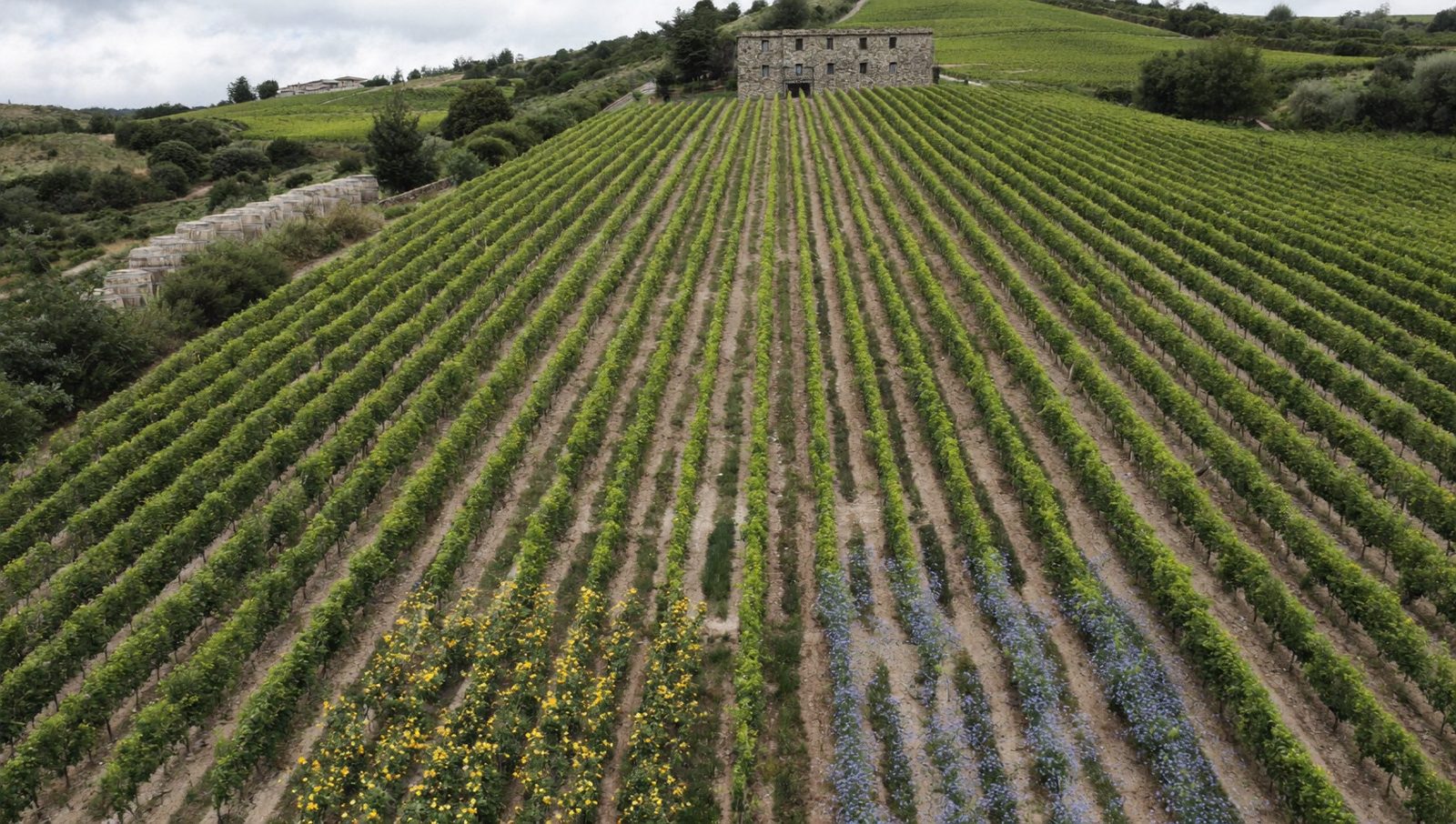
Official sources do not publish fees: the cost of a certification depends on the chosen control body, the size of the company, the number of sites and the module (organisation, product, territory). What the sources say about timing is the cycle: for Equalitas the certificate has an ordinary validity of three years, with maintenance audits in between, and the standard is revised at least every three years; for VIVA the path begins with the voluntary agreement signed with the Ministry; for SQNPI adhesion follows the regional control plans, with annual campaigns.
Who it makes sense for depends on where you want to sell. If you target the Nordic monopolies, you need a scheme on the Systembolaget list with the mark on the bottle, that is, Equalitas Product or VIVA product, plus a third-party social certification by 1 December 2026. If your market is German or British retail, start from the chain's specification and the social audit, and add an environmental scheme only if it produces the data the chain requests. If you work with specialist importers and the restaurant trade, European organic remains the certification most recognised by consumers, and sustainability is a storytelling point more than a requirement. If you already hold SQNPI for other crops or to access regional measures, the national wine sustainability certification is the route with the lowest marginal cost, with the limit that its sign is not yet on the Nordic list.
In all cases one rule applies: certification produces data, and the data must go into the technical data sheet. A foreign buyer who receives the air and water footprint per bottle, the name of the scheme and the certificate's expiry date has what they need to respond to their specification; a logo on the label without data does not.
Frequently asked questions
Are Equalitas, VIVA and SQNPI the same thing?
No. Equalitas is a private standard certified by third-party bodies covering organisation, product and territory; VIVA is the public programme of the Ministry of the Environment with four indicators; SQNPI is the national integrated production system. Decree 124900 of 16 March 2022 linked them: the national sustainability standard is based on SQNPI, and existing systems such as Equalitas and VIVA are considered compliant.
Which certification do I need to sell to Systembolaget?
For the green label you need an environmental certification from the list published by Systembolaget, product-specific and visible on the packaging: among the Italian schemes there are Equalitas Sustainable Wine and V.I.V.A., as well as European organic. A social criterion and low-impact packaging are also required.
Is SQNPI recognised abroad?
The SQNPI sign does not appear on Systembolaget's list of environmental certifications. Its value lies in Italy and as the basis of the national wine sustainability certification; for the Nordic markets it is advisable to pair it with Equalitas or VIVA.
How long does an Equalitas certificate last?
According to Equalitas, the ordinary validity of certificates is three years; certificates issued under revision 4 cannot expire beyond 31 July 2026, because since 1 August 2025 only revision 5 applies.
Is organic enough as a sustainability certification?
For Systembolaget, European organic is one of the accepted environmental certifications, but the monopoly's page notes that organic schemes have weaker criteria in some areas and no requirement at the production stage. For retail chains, organic does not replace the social audit in the specification.
Sources
- Equalitas, "Lo standard": https://www.equalitas.it/lo-standard/
- Equalitas, revision 5 of the SOPD standard, announcement of 28 August 2025: https://www.equalitas.it/it/standard/
- VIVA programme, Ministry of the Environment and Energy Security, "Il programma": https://www.viticolturasostenibile.org/il-programma/
- Ministry of Agricultural Policies, departmental decree no. 124900 of 16 March 2022, approval of the wine supply chain sustainability specification: https://www.csqa.it/getmedia/a92d5b37-31c2-4432-8aa4-e1317852d24b/Decreto_Dipartimentale_n-_124900_del_16_03_2022.pdf
- Sicilian Region, "Produzione integrata e Sistema di Qualità Nazionale di Produzione Integrata": https://regione.sicilia.it/istituzioni/regione/strutture-regionali/assessorato-agricoltura-sviluppo-rurale-pesca-mediterranea/dipartimento-agricoltura/attivit%C3%A0/produzione-integrata-sqnpi
- Systembolaget, "Miljöcertifierad odling och produktion" and "Klimat, miljö, socialt ansvar: vår vägledning": https://www.systembolaget.se/hallbarhet/vagledning/miljocertifiering/
- Wine Technical Sheet for Importers: What It Must Contain
- Wine Pallet Label GS1-128 and SSCC for Retail and Monopolies
- Wine Transport Documents: CMR, Bill of Lading, AWB
- Wine export logistics: courier, pallet or container?
- Winery management software for wine exports: key features
- Wine grape price by appellation: how to read ISMEA