Hamburg Muscat: Leveraging the Grape Variety for the Global Wine Market
Hamburg Muscat is a grape variety with significant export potential for Italian wineries seeking diversification. Its ampelographic and agronomic characteristics, along with the quality of its must and wine, make it suitable for both high-quality table grape consumption and the production of aromatic wines and sparkling wines. Its resistance to various adversities and the good storability of ripe grapes are key advantages for international markets. In-depth: MASAF — National Register of Vine Varieties.
What are the Origins and Distribution of Hamburg Muscat?
Hamburg Muscat, also known by synonyms such as Tavrisi or Gangiuri, originates from the Caucasus, specifically from the regions of Azerbaijan, Armenia, and Georgia. Its cultivation later extended to areas like Crimea and southern Russia, and historically it was also grown in the Republic of Moldova and Azerbaijan.
Today, this grape variety is primarily found in family and amateur vineyards. Its history also includes past exports to Germany as a table grape.
What are the Ampelographic Characteristics of Hamburg Muscat?
Hamburg Muscat is distinguished by an open, downy bud apex with reddish hues. Adult leaves are medium to large, pentatomate (five-lobed), and feature deep sinuses. The petiole sinus is open, lyre-shaped, or U-shaped.
What are the Environmental and Cultivation Requirements for Hamburg Muscat?
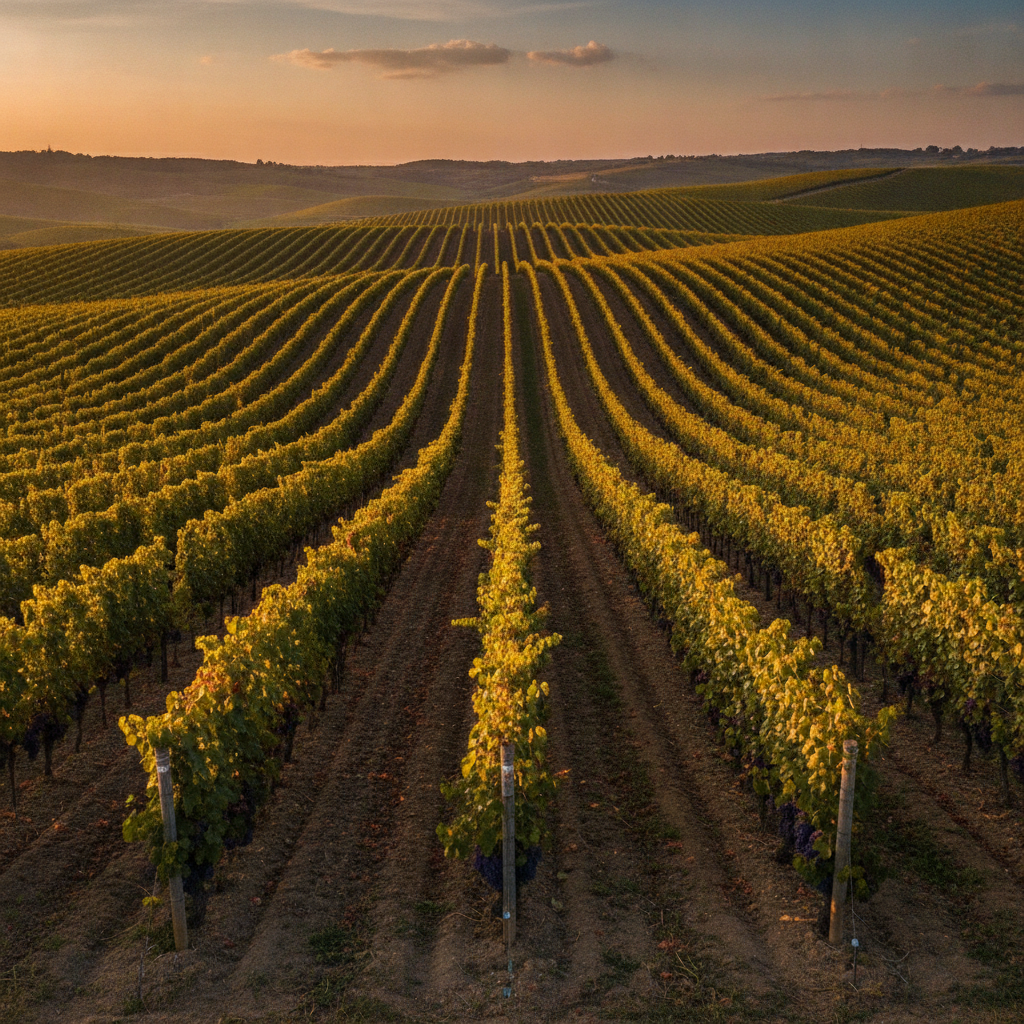
This grape variety prefers hilly terrain, well-exposed and ventilated, but it also adapts to dry soils. Some sources indicate a preference for calcareous soils, while others suggest warm, permeable, gravelly, and alluvial soils, where irrigation may be important.
What Cultivation Practices are Necessary for Hamburg Muscat?
Hamburg Muscat requires artificial pollination. Pruning can vary: in old, dense vineyards, short pruning is preferred, while in rows, it can be short or mixed. Expanded training systems with medium-long pruning are suitable, as are high-stem forms with double cordons and long pruning, which are easily mechanizable.
Which Rootstocks Pair Well with Hamburg Muscat?
The grape variety shows good affinity with various rootstocks, including Kober 5 BB, 99 R, 41 B, 1103 P, and selections like 4/8, Berlandieri x Riparia Criciunel 2, SO-4, and Riparia Gloire.
What are the Resistances and Susceptibilities of Hamburg Muscat to Diseases and Adversities?
Hamburg Muscat is resistant to phylloxera and tolerates grey mold, winter frosts, leafrollers, and drought well. However, it is susceptible to downy mildew and powdery mildew. In rainy years, bunches can be prone to rot. Buds can suffer damage from winter temperatures between -12°C and -16°C.
What are the Characteristics of Hamburg Muscat Must?
Hamburg Muscat must generally exhibits good sugar potential and moderate acidity. Sugar levels range from 17.5° to 24.5° Brix, while titratable acidity is between 5.5 and 9.7 g/l. The juice yield is 65-70%. The must is described as colorless, with a pleasant taste and aroma.
What are the Characteristics of Wines Produced from Hamburg Muscat?
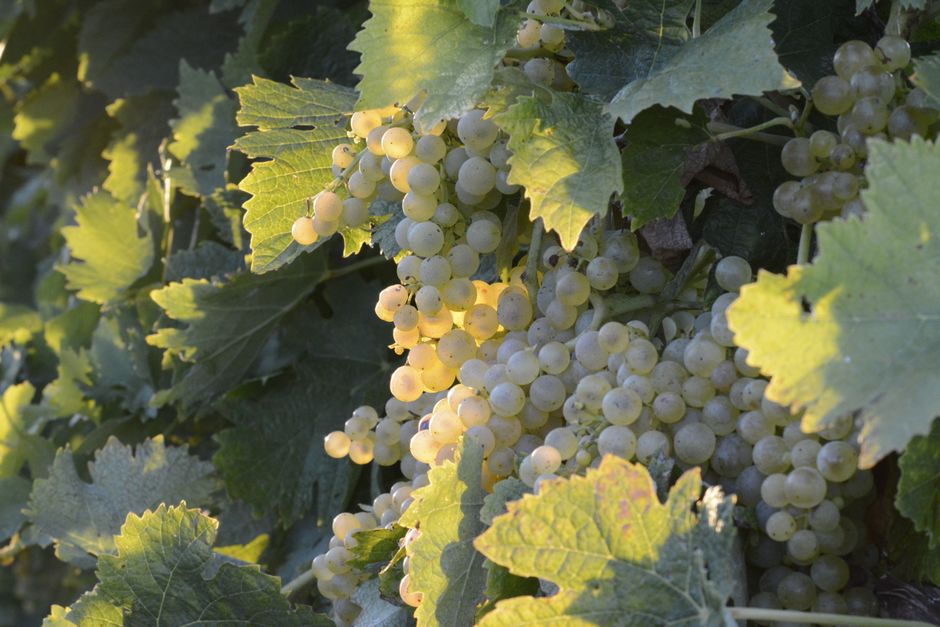
The characteristics of the wine depend on its use. As a table grape, it ripens late, remains on the vine for a long time, and shows good transport and winter storage capabilities. Wines can range from pale yellow, low in alcohol and full-bodied, sometimes with a slight Muscat flavor. Other descriptions indicate ruby red wines, fresh, ready to drink, or deep straw yellow, aromatic, and slightly tannic. Sparkling wines feature abundant foam, fine and persistent bubbles, citrus, basil, and rose aromas, with a pleasant and lively taste.
How is Hamburg Muscat Used in Enology?
Hamburg Muscat has a dual purpose: as a table grape, due to its storage and transport qualities, and for wine production. It can be used for fortified wines, dry wines (sometimes re-fermented on Muscat pomace), common table wines, or for white distillates. Varietal wines are rarely marketed as such, having a greater weight in local consumption.
What is the Export Potential for Hamburg Muscat?
Hamburg Muscat offers export potential due to its versatility of use (table grape and wines), its good resistance to transport and storage, and its distinctive aromatic characteristics. Its uniqueness makes it ideal for niche markets seeking differentiated products. Wineries should target specific markets, effectively communicate its qualities, and ensure consistent quality.
Frequently Asked Questions
Is Hamburg Muscat suitable for export as a table grape?
Yes, ripe Hamburg Muscat grapes remain on the vine for a long time and show good resistance to transport and winter storage, making it a viable option for export as a table grape.
What types of wine can be produced from Hamburg Muscat?
From Hamburg Muscat, one can produce fortified wines, dry wines, common table wines, white distillates, and aromatic sparkling wines with citrus, basil, and rose notes.
What are the main challenges in cultivating Hamburg Muscat for export?
The main challenges include susceptibility to downy mildew and powdery mildew, and the risk of bunch rot in rainy years, which can affect yield and final quality for export.
To explore export opportunities for Hamburg Muscat, Request a personalized demo.