Moscato Bianco: From Origins to Market Opportunities for Italian Wine
Moscato Bianco, with its centuries-old history and unmistakable aromaticity, represents one of the most promising varieties for Italian wine exports. Originally from Asia Minor, this grape has traversed centuries, finding an ideal terroir in Italy to express its versatility. From the production of sweet sparkling wines to dry wines, Moscato Bianco offers a bouquet of flavors and aromas capable of captivating a wide range of international markets, meeting the needs of buyers seeking authenticity and quality. In-depth look: MASAF — National Register of Vine Varieties.
What are the historical origins of Moscato Bianco?
The roots of Moscato Bianco are found in Asia Minor and Eastern Georgia. The Greeks and Romans already knew its qualities, calling it Anthelicon moschaton and Apiane, respectively. Its spread throughout the Mediterranean basin was facilitated by commercial exchanges, leading the grape to establish itself in areas like Greece, where it currently occupies 2200 hectares, and Italy. In Sicily, it was widely cultivated until the 19th century.
Where is Moscato Bianco cultivated in Italy and what are the ideal conditions?
Today, Moscato Bianco is cultivated in numerous Italian regions. The hilly area of the Canelli district in Piedmont is recognized as an area of excellence. Studies highlight how altitude (between 300 and 500 meters above sea level), solar exposure, and a marly-calcareous soil of marine origin positively influence the accumulation of sugars, the maintenance of acidity, and the synthesis of characteristic aromatic compounds.
What are the ampelographic and agronomic characteristics of Moscato Bianco?
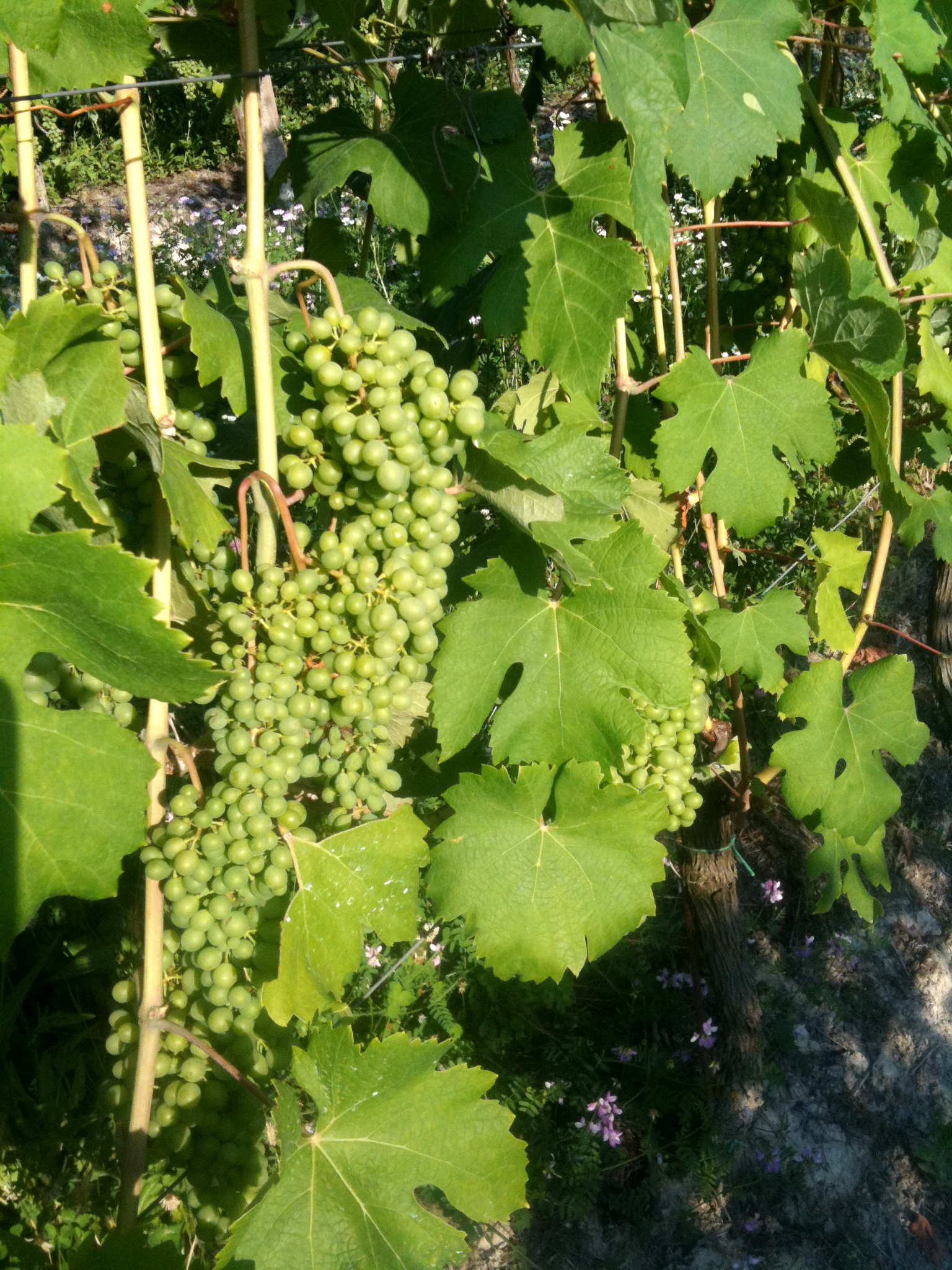
Moscato Bianco presents an open and downy bud apex, with adult pentaploid leaves and deep sinuses. It favors hilly, well-ventilated, and sunny soils, with a preference for marl and calcareous tuffs. The hilly orography, with its thermal excursions, is fundamental for enhancing aromatic synthesis. Its vigor is good but can decrease in less fertile soils.
What are the agronomic sensitivities of Moscato Bianco?
The grape variety is more susceptible to winter frosts and spring atmospheric uncertainties, given its precocious vegetation. It is also sensitive to downy mildew during véraison and can be affected by fungal diseases. Agronomic management requires attention, with a preference for low-stem training systems and short but abundant pruning.
What are the characteristics of Moscato Bianco must?
Moscato Bianco must is characterized by a high sugar content, which can reach 18.0% or 22.0%, and an acidity typically around 8.8 g/l. These characteristics are the basis for producing wines with a residual sugar content that preserves their sweetness and an acidic component that ensures balance.
What are the main aromatic and gustative characteristics of Moscato Bianco wines?
Wines derived from Moscato Bianco are famous for their intense primary aroma, reminiscent of flowers (acacia, wildflowers) and fruit (peach, apricot, russet apple). Fresh citrus or vegetal notes can also emerge. With aging, notes of honey, candied fruit, or sweet spices can develop. The flavor is typically sweet, aromatic, savory, and pleasantly lively.
What are the different types of wine that can be produced from Moscato Bianco?
The oenological versatility of Moscato Bianco is remarkable. It is the base for producing sweet wines and sparkling wines, often obtained through interrupted fermentation, as in the case of the Canelli DOP. It can be vinified in purity or blended to produce dry wines, and it is also used as table grapes in some regions. Historically, it has been employed for fortified wines and vermouth.
What is the export potential of Moscato Bianco for Italian wineries?
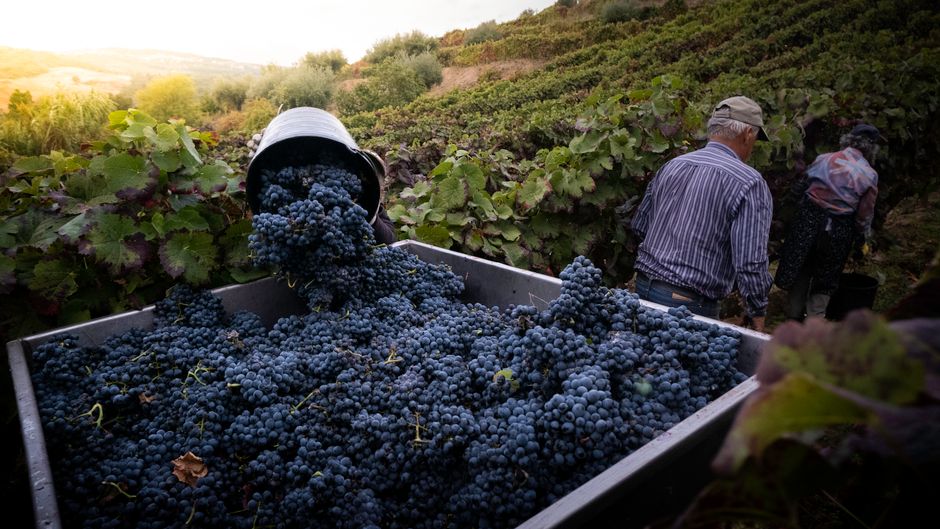
Moscato Bianco possesses strong export potential thanks to its distinctive and recognizable aromaticity, and its oenological versatility that allows for the production of various wine types. The connection with the "Italia" brand provides added value in terms of perceived quality. High-quality expressions, like those from DOP Canelli, can be positioned in premium market niches.
How can Italian wineries enhance Moscato Bianco in foreign markets?
To expand their international presence, Italian wineries must communicate the uniqueness of the grape variety, its connection to the land of origin, and the quality of the finished product. Highlighting specific denominations, such as the Canelli DOP, and narrating its history and pedoclimatic characteristics are fundamental to attract international importers and consumers.
Frequently Asked Questions
What are the most interesting markets for Moscato Bianco exports?
Moscato Bianco, with its versatility and aromaticity, meets diverse market needs. Sweet and sparkling wines, in particular, enjoy strong demand in many countries, making them ideal candidates for export.
What are the main synonyms for Moscato Bianco that a foreign buyer should know?
Among the numerous synonyms, Moscato bianco, Muscat à petits grains, and Moschato leuko stand out. This variety of names reflects its long history and its presence in different wine cultures.
What are the characteristics that make Moscato Bianco an ideal wine for food pairing?
Sweet and aromatic wines based on Moscato Bianco pair well with desserts, blue cheeses, or as an aperitif, broadening the occasions for consumption and