Rossese: Bringing Ligurian Wine to International Markets
The Rossese grape variety, while less known than other renowned names, is an enological gem with significant export potential for Italian wineries. Originating from specific Italian areas, this grape produces red wines of character, appreciated for their uniqueness and ability to express their terroir. Understanding its peculiarities and market prospects is crucial for seizing new opportunities beyond national borders, offering foreign buyers an authentic alternative to more widespread varieties. In-depth information: MASAF — National Register of Vine Varieties.
Where Does the Rossese Grape Variety Come From, and What is its History?
The roots of Rossese lie in Southern Russia, with its first descriptions dating back to the 19th century. Although some suggest a link to Pukbliakovskhii, its spread and strongest association solidified in Italy, particularly in Liguria, where it forms the basis of Rossese di Dolceacqua DOC. This small DOC area has become synonymous with the grape, despite the region being more famous for its white wines.
The vine has also been spread to other areas like Azerbaijan, Armenia, Georgia, Crimea, and Southern Russia, where it is known by synonyms such as Sveni, Scireni, Tavrisi, Gangiuri, Scirasuli, and Kirovabadski Stolovii. This wide historical distribution testifies to its adaptability and value over the centuries.
What are the Ampelographic and Agronomic Characteristics of Rossese?
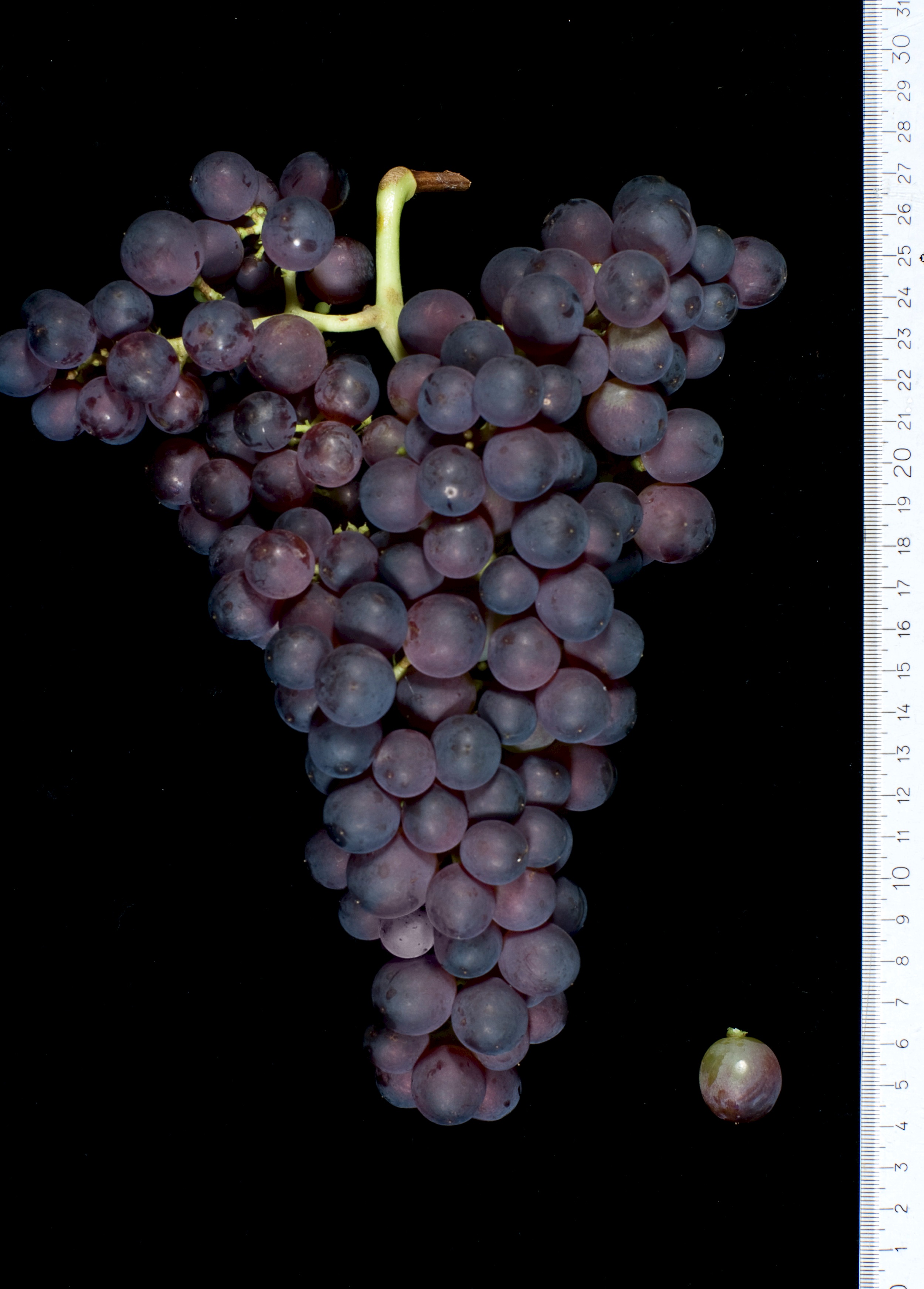
Rossese exhibits tomentose bud tips and young yellow leaves. The adult leaf is pentalobed, medium-sized, with an orbicular, slightly reniform limb and closed petiolar sinuses. It prefers hilly, well-ventilated, and sunny terrains, showing good resistance to winter frosts. It adapts well to low-trunk training systems and short, yet abundant, pruning.
The yield per vine is approximately 2.8 kg, with an average bunch weight of 310 g and a bud fertility of 1.0. The vine shows fair tolerance to fungal diseases but can be susceptible to downy mildew during veraison. It requires artificial pollination and is more sensitive to winter rigors than other local cultivars.
What are the Enological Characteristics of Rossese, from Must to Wine?
Rossese grapes yield a remarkable amount of must. Between 1998 and 2000, the average sugar content was around 19.9 °Brix, with an acidity of 7.7 g/l and a pH of 3.36. The resulting wines range from pale ruby red to intense, with purplish or dark orange reflections that turn garnet with age.
On the nose, the wine is fragrant, with notes of red fruits like raspberry and wild blackberry, and spicy hints. With aging, it can develop an intense rose perfume. On the palate, Rossese is dry and flavorful, with a round and soft structure, and a finish that can recall bitter almond. The aroma is fragrant, fruity, and slightly spicy. Its structure makes it suitable for aging, even for extended periods, and capable of competing with international varietals.
Rossese can be vinified in various styles: table wine, dessert wine, or sparkling wine. If harvested late, it can produce a fortified wine. It is also used in blends with other grape varieties, such as Refosco, to impart greater aromatic complexity.
What is the Export Potential of the Rossese Grape Variety for Italian Wineries?
The global market for rosé wines is growing. In 2014, the main exporters were Spain (46.3% in volume), followed by Italy, the United States, and France, with comparable volumes (between 1.1 and 1.5 million hectoliters exported). These four countries account for over 80% of the world's rosé exports.
Although Rossese is known for red wines, its versatility and the demand for unique, terroir-driven wines open interesting export perspectives. Rossese di Dolceacqua DOC exemplifies how an indigenous grape can create a niche product that is appreciated. Rossese wines are generally at their best within the first three years, but the finest can benefit from longer aging.
For foreign buyers, Rossese represents an interesting discovery, an alternative to more common varietals. Its ability to offer wines with a distinctive character, tied to a specific territory like Liguria, makes it attractive to importers seeking authentic, high-quality products.
What Do Foreign Buyers Look for in Rossese?
- Authenticity and Terroir: International markets seek wines that tell a story and represent a territory. Rossese, with its origins and identity linked to Liguria, fulfills this need.
- Uniqueness: In a saturated market, an indigenous grape like Rossese offers a differentiating element.
- Versatility: Rossese's capacity to produce wines with diverse nuances, from fresh and fruity to elegant and long-lived, makes it suitable for various consumption occasions and pairings.
- Pairing Potential: Rossese wines pair beautifully with rich and flavorful dishes, such as rabbit with herbs, stuffed pigeon, or guinea fowl, but also with the typical Mediterranean cuisine of its region of origin.
How Does Wines Export Support Wineries with the Rossese Grape Variety?
The presence of wineries specializing in the Rossese grape variety, or including it in their production, represents a strategic opportunity to facilitate access to foreign markets. Our network of buyers is constantly seeking unique Italian grape varieties, and Rossese perfectly fits this quest for excellence, offering a distinctive, high-quality product.
Conclusion: A Grape Variety to Explore for Export
The Rossese grape variety, with its fascinating history, distinctive enological characteristics, and its connection to the Ligurian territory, presents an interesting opportunity for Italian wineries looking to expand their presence in international markets. The growing demand for authentic, high-quality wines makes Rossese an ideal candidate to conquer new palates and markets.
- OIV (International Organisation of Vine and Wine) - Data on rosé wine exports.
Frequently Asked Questions
Is the Rossese Grape Variety Cultivated Only in Italy?
The Rossese grape variety has historical roots in Southern Russia and has also spread to countries like Azerbaijan, Armenia, Georgia, Crimea, and Southern Russia, where it is known by various synonyms. However, its strongest identity and main recognition are linked to Italy, particularly Liguria with the Rossese di Dolceacqua DOC.
What are the Main Characteristics of Wines Produced from the Rossese Grape Variety?
Wines from Rossese exhibit a color ranging from pale ruby red to intense, with reflections that turn garnet with aging. On the nose, they are fragrant, with notes of red fruits and spicy hints, capable of developing rose aromas with aging. On the palate, they are dry, flavorful, with a round and soft structure, and a finish that can recall bitter almond.
Is Rossese a Grape Variety Suitable for Aging?
Yes, the structure of wines obtained from the Rossese grape variety makes them suitable for aging, even for extended periods. While many wines are at their best within the first three years after the harvest, the finest examples can benefit from a longer aging period, developing greater complexity.