Wine defects: TCA, Brettanomyces, volatile acidity, oxidation and perception thresholds
Wines Export Editorial · Last updated:
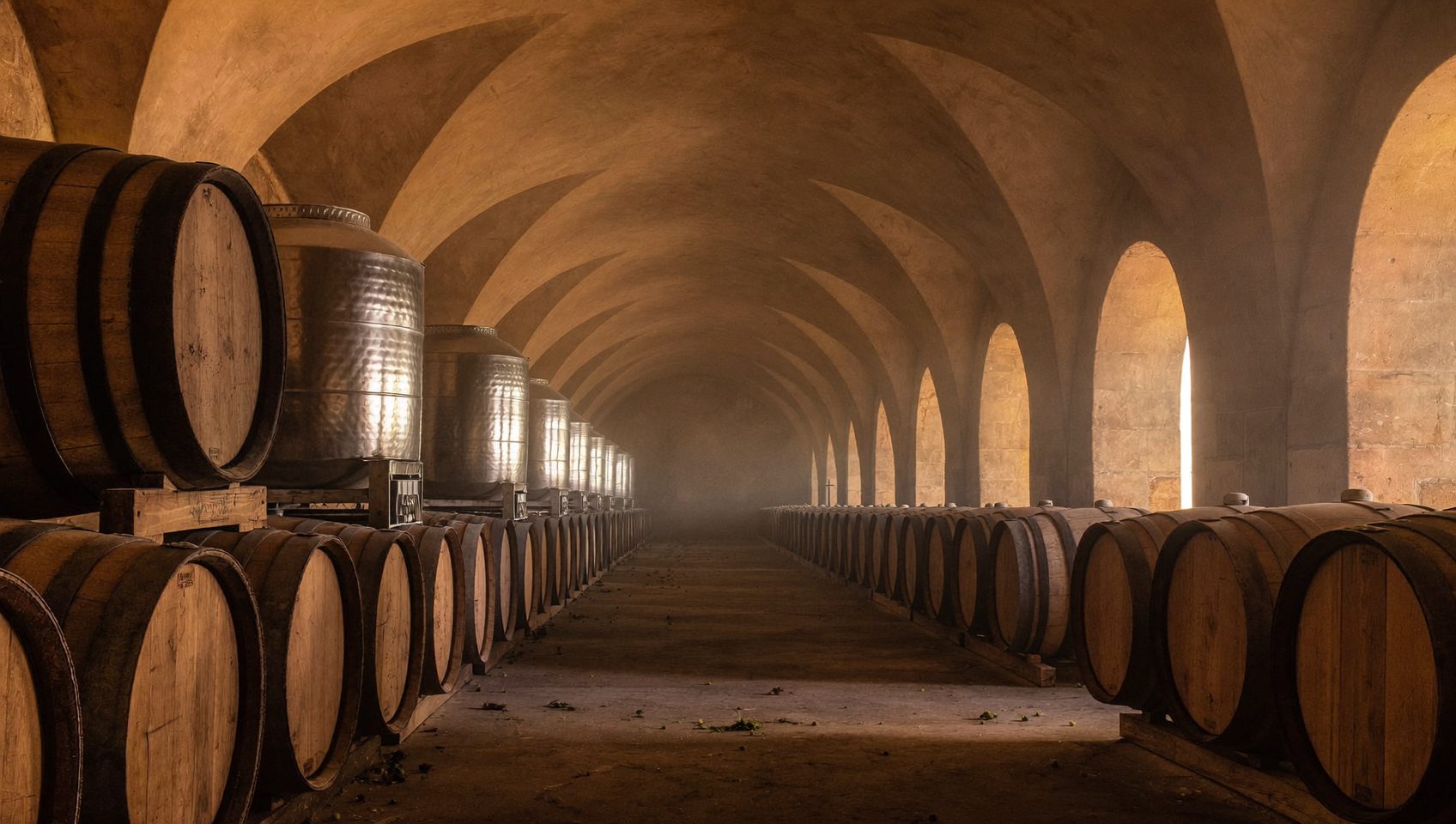
This page covers five main wine defects: cork taint caused by the molecule TCA, Brettanomyces with its volatile phenols, volatile acidity, oxidation and reduction. Each has a specific molecule, a perception threshold that varies with the wine, and a different way of being confirmed in the laboratory. For the winery and for the importer filing a claim, the practical question is one: does the defect originate in the winery, in the cork, or during transport? This page addresses each defect in turn, with the molecule, the symptom, the confirmation analysis and the possible action. For the process after a report, see how to handle a claim for a spoiled wine, and for closures, see the stoppers required by export markets.
Defect, deviation or style: where the line is
A defect is an odour or flavour that does not belong to wine of that type and that no producer intended. A deviation is milder: it is present, but it can be mistaken for a note of the grape variety or of ageing. Style is a different matter, because controlled oxidation in a fortified wine or a wood note in a red aged in barrique are deliberate choices. The line is drawn through comparison: the same wine, tasted blind alongside a sound sample from the same lot, shows immediately whether the note is too strong or too weak. The tasting method and scoring sheets are described in how to organise an internal panel and use threshold sheets.
Before deciding that a wine is defective, note three things: the lot, the bottling date and the storage conditions from the moment the wine left the winery. Many defects develop later, during storage at the importer, and are not the fault of the production process.
TCA and cork taint: thresholds, tests and cork supplier responsibility
TCA, that is 2,4,6-trichloroanisole, is the molecule responsible for cork taint. It forms when chlorophenolic compounds present in some cork stoppers, or in contaminated wood and materials, are transformed by moulds. On the nose the symptom is an odour of wet cardboard, a closed cellar or a damp cloth, and the wine tastes flat on the palate. Its perception threshold is very low, in the order of nanograms per litre, so a bottle can be defective even when the quantity is minimal and the wine seems intact at first tasting.
Confirming the suspicion requires two steps. The first is the sensory panel, with at least two trained tasters comparing the suspect bottle with a sound one. The second is the gas chromatography and mass spectrometry analysis, which measures TCA directly. The OIV Compendium gathers the methods for analysing organic compounds in wine and must, and in this area the choice of method should be agreed with the laboratory that will carry out the analysis.
Responsibility is established in this order: first verify that the defect is present in several bottles of the same lot, then ask the cork supplier for the lot number and the certificate of analysis. If the defect does not recur in other lots, the problem should be sought elsewhere, for example in cellar materials. No treatment in the winery removes TCA from a wine already bottled, so the choice of closure and lot control are the only levers that are truly effective.
Brettanomyces: 4-ethylphenol, prevention and permitted treatments
Brettanomyces is a spoilage yeast that survives in wooden barrels, poorly cleaned equipment and in red wines with residual sugar or low free sulphur. Its metabolism produces volatile phenols, in particular 4-ethylphenol and 4-ethylguaiacol, which give notes of leather, stable, plaster or medicine. A small quantity may be perceived as complexity, but when it exceeds the threshold it dominates the wine and the importer judges it defective.
The symptom is easiest to recognise on the nose after the wine has been swirled in the glass. Confirmation comes from the analysis of volatile phenols, while the panel is used to decide whether the note is acceptable for that wine. Prevention is central: thorough cleaning of barrels, pipework and tanks, monitoring of free sulphur during storage, and filtration before bottling. Permitted treatments to correct an already contaminated wine must comply with the EU regulation on oenological practices and with the technical data sheets of the products used, so they should be verified before use, not after.
Volatile acidity: the EU legal limit and the sensory threshold
Volatile acidity is almost entirely acetic acid, which forms through the action of acetic acid bacteria when wine comes into contact with air. On the nose it is perceived as vinegar or solvent, and in large quantities it masks the fruit. The legal figure matters because Commission Delegated Regulation (EU) 2019/934 sets out the Union's oenological practices and limits, including the maximum volatile acidity content for the different categories of wine. Control is carried out with the dedicated OIV method for volatile acidity, which is classified as a type I method, therefore a reference method for official controls.
The sensory threshold is lower than the legal limit: a wine can be legal and already unpleasant to taste. For this reason the panel and the analysis must be read together. If the wine exceeds the limit, it is not shipped; if it is within the limit but the taste is sharp and pungent, the cause should be sought in fermentation or storage, not in the chemical figure alone.
| Defect | Molecule | Symptom on the nose | Typical origin | Confirmation | Possible action |
|---|---|---|---|---|---|
| Cork taint | TCA (2,4,6-trichloroanisole) | wet cardboard, closed cellar | cork or contaminated materials | panel and gas chromatography with mass spectrometry | lot check, claim to the supplier |
| Brettanomyces | 4-ethylphenol, 4-ethylguaiacol | leather, stable, plaster | barrels, equipment, residual sugar | volatile phenol analysis and panel | cleaning, sulphur, filtration |
| Volatile acidity | acetic acid | vinegar, solvent | acetic bacteria in contact with air | OIV method for volatile acidity | check against EU limit, hold the shipment |
| Oxidation | acetaldehyde | cooked apple, hazelnut, sherry | oxygen, permeable closure, racking | acetaldehyde by OIV method | protection in the winery, sulphur, choice of closure |
| Reduction | sulphides and mercaptans | egg, cabbage, burnt rubber | absence of oxygen, lees left too long | sensory exam and sulphide analysis | controlled oxygenation, racking |
Oxidation, acetaldehyde and flat wines after transport
Oxidation shows as a colour shifting towards amber, with notes of cooked apple, dried fruit and sherry. The reference molecule is acetaldehyde, which forms when oxygen enters the wine during racking, bottling or through an overly permeable closure. In the laboratory acetaldehyde is measured with a dedicated OIV method, classified as a type IV method, that is a provisional method and not a reference method for official controls.
After transport a wine may appear flat, with less fruit and more perceived acidity. This is not always oxidation: it is often transport shock caused by the stresses of the journey, and the wine partly returns to its original profile after a few weeks of rest at stable temperature. Heat damage, on the other hand, usually does not reverse. For this reason the diagnosis should be made after a rest period, not immediately after opening. To reduce the risk, manage sulphur in the cellar stages, as described in sulphur doses by stage and EU limits, and choose temperature-controlled transport when the journey is long, as explained in when reefer transport is needed for wine.
Reduction, light strike, geosmin: the others to know
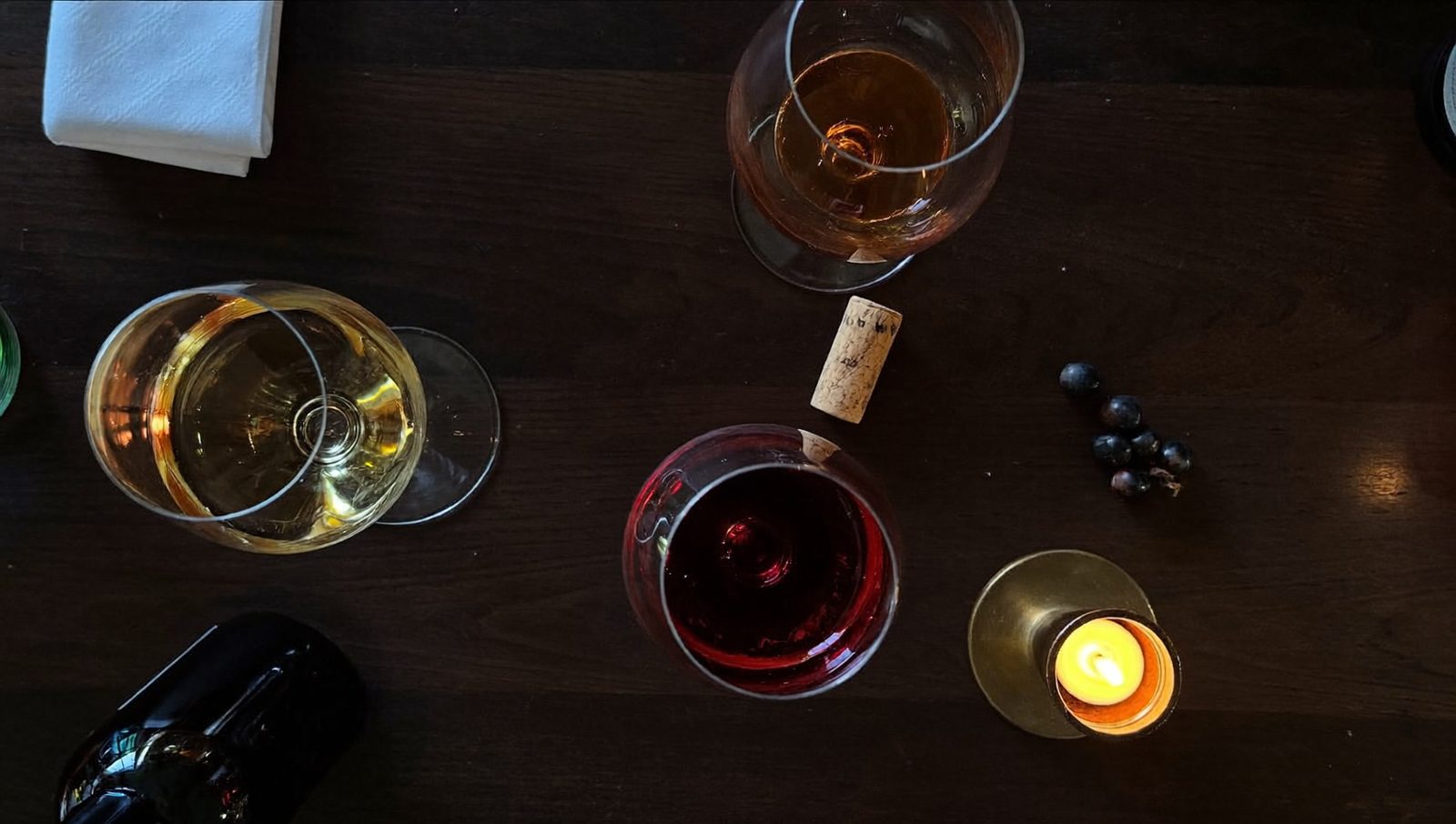
Reduction is the opposite of oxidation: the wine has been protected from oxygen, but sulphides and mercaptans accumulate and give notes of egg, cabbage or burnt rubber. It is often mitigated by controlled oxygenation or racking, but it must be handled with care, because some interventions are regulated and must stay within the limits of the EU regulation. An alternative is to address the cause, that is lees left in contact too long or fermentations in closed environments.
Light strike is a defect that arises when wine, especially sparkling wine or wine bottled in clear glass, is exposed to light for long enough. It gives notes of boiled cabbage or sulphur, and in many cases it is the first defect an importer notices in a shop with illuminated shelves. Prevention is simple: dark glass and storage in the dark.
Geosmin gives an odour of damp earth or beetroot and can come from the grape, when moulds are present on the skin, or from cellar environments with high humidity. Recognition is sensory, and confirmation requires a specific analysis. Here too, preventive choice matters more than correction: healthy grapes, a dry cellar and clean materials.
How to prepare before shipping
Before shipping a lot abroad, carry out a check in three steps. The first is an internal panel on a sample from each lot, using the threshold sheets for all the defects in the table. The second is the chemical analysis of the parameters the destination market actually checks, in particular volatile acidity and acetaldehyde. The third is storage: reference samples kept in the cellar under the same conditions as the lot, so that in case of a claim a direct comparison exists.
If you find a defect before shipping, do not ship the lot in the hope that the importer will not notice. A held lot costs less than a claim, a return and a relationship with a buyer who does not reopen the door. If the defect emerges after delivery, the documentation kept in the winery is your defence: bottling dates, lot numbers, panel and analysis results.
Frequently asked questions
Is cork taint always noticeable straight away?
No. TCA may be perceived in only one bottle out of several, and the note can become evident after opening or with warmth. A blind tasting against a sound bottle from the same lot, followed by chemical analysis, allows you to confirm it.
How do I tell a defect from an intended style?
A defect is a note that does not belong to wine of that type and was not sought in the winery. Style is a chosen result, such as oxidation in fortified wines. Comparison with a sound sample from the same lot is a simple criterion to apply.
Is volatile acidity a legal limit?
Yes. Commission Delegated Regulation (EU) 2019/934 sets the maximum volatile acidity content, and the dedicated OIV method is used for control. The threshold perceived by the senses is often lower than the limit, so a legal wine can still be unpleasant.
What should I do if the importer reports a defect?
Ask for the lot number and the bottling date, then compare the reported bottle with the reference samples kept in the winery. If the defect is confirmed, check the cause in order: closure, cellar, transport. Only then decide on refund or replacement.
Sources
- Wine enzymes: pectolytic, extraction, fining and dosage
- Wine deacidification: calcium carbonate vs bicarbonate
- Wine filtration aids: diatomaceous earth, perlite, cellulose
- Cellar sensory analysis: internal panel and score sheets
- Wine filtration: roughing, fining and sterile filtration
- Wine bacteria: useful lactic and spoilage types