Bacteria in winemaking: useful lactic, spoilage and how to control them
Wines Export Editorial · Last updated:
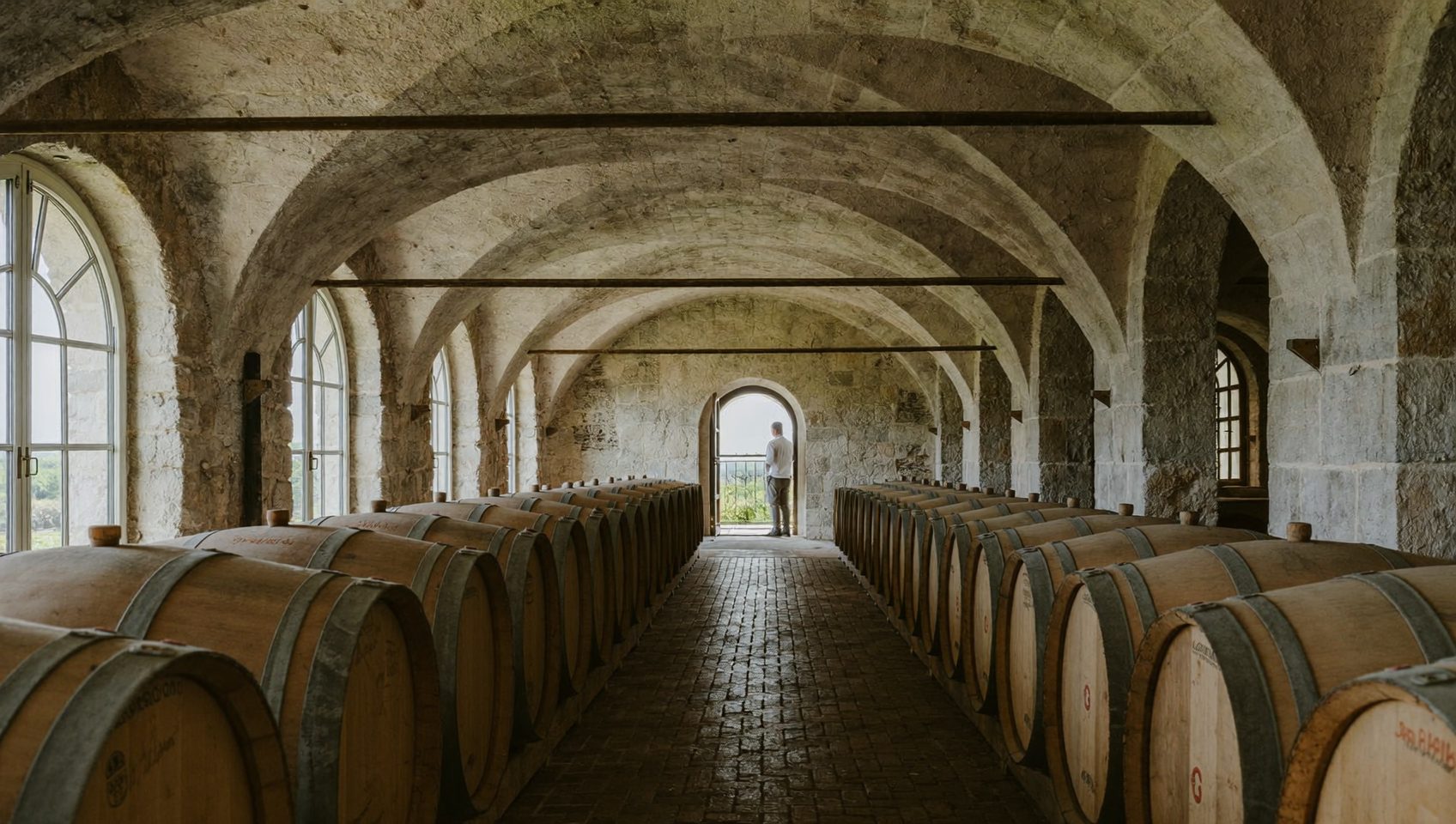
Bacteria in winemaking fall into two groups with opposite roles. On one side are the useful lactic bacteria, mainly Oenococcus oeni, which complete malolactic fermentation and make the wine softer. On the other side are Lactobacillus, Pediococcus and acetic bacteria, which, in a winery without control, produce volatile acidity, off notes and clear faults on the nose and palate. The difference does not depend on the genus alone. What matters is when the bacterium enters the wine, the pH, the free sulphur dioxide and the residual sugars. To choose the right strain for malolactic fermentation, we refer you to malolactic bacteria, strains and co-inoculation for whites.
Which bacteria live in wine: lactic, acetic and others
Three groups of bacteria are found in the cellar. Lactic bacteria convert malic acid into lactic acid and are the basis of malolactic fermentation. Acetic bacteria oxidise ethanol into acetic acid and need oxygen to do so, which is why they develop mainly where wine takes in air. The third group includes bacteria of other genera that come in with the grapes, the equipment or the environment and that are usually unwanted.
The OIV International Code of Oenological Practices lists biological deacidification with lactic bacteria among the permitted treatments, alongside deacidification with yeasts and treatments for preserving musts. This means that the use of bacteria is not a casual choice but an intervention that must be understood and documented. In the European Union, Delegated Regulation (EU) 2019/934 lists lactic acid bacteria among the authorised fermentation agents (Annex I, Part A, Table 2, point 9.2).
The practical point for the winery is to distinguish what was added deliberately from what entered by accident. Co-inoculation with a selected strain is a recorded choice. A spontaneous population of Lactobacillus found in the tank, on the other hand, is a problem to be checked before bottling. The most common entry routes are grapes that arrive already damaged, poorly used barrels, pumps and hoses that were not sanitised, and racking done with too much air.
Oenococcus oeni: the bacterium you want
Oenococcus oeni is a lactic species well adapted to wine. It tolerates acidity, alcohol and moderate doses of sulphur dioxide well, which is why it is usually the bacterium wineries choose for malolactic fermentation. The result is a reduction in perceived acidity and a rounder profile, with buttery notes linked to diacetyl, which depend on the strain and on how the winemaking is managed.
To keep this bacterium on the useful side, three conditions are needed. The wine must have finished alcoholic fermentation, because residual yeasts compete with lactic bacteria and can consume some of the compounds the bacterium uses. Sulphur dioxide must be managed carefully: lactic bacteria are generally more sensitive to sulphur dioxide than yeasts, so a dose planned for alcoholic fermentation can block malolactic fermentation. And the temperature must suit the chosen strain, because each strain has a range in which it works most effectively.
For red wine, the full path from alcoholic fermentation to malolactic fermentation is described on the page malolactic fermentation in red wine. The general principle here is what matters: malolactic fermentation is a planned intervention, with a start and an end that are verified through analysis, not a process left to run on its own.

Lactobacillus and Pediococcus: when they become a problem
Lactobacillus and Pediococcus are also lactic bacteria, but they behave differently from Oenococcus oeni. Some strains can metabolise residual sugars and produce substances such as acetic acid, mannitol and diacetyl in amounts wine should not contain. Diacetyl gives buttery notes in small doses, but in excess it masks the fruit and makes the wine heavy. Pediococcus is associated with cases of ropiness, a viscous texture that becomes noticeable when wine is poured into the glass.
The problem appears mainly when malolactic fermentation has finished but residual sugars remain in the wine, or when free sulphur dioxide is low. For this reason, a stuck fermentation with residual sugar requires attention: the page stuck fermentation, causes and restarting explains how to recognise the situation before the bacteria take advantage of it.
One point needs clarifying, because it often leads to wrong diagnoses. Mousy taint can also arise from some lactic bacteria that degrade amino acids such as ornithine, forming compounds with a characteristic odour. The same odour can have other origins, so attributing the fault to a bacterium without analysis risks unnecessary interventions. The practical rule is this: the sensory symptom tells you where to look, but the cause must be measured.
Acetic bacteria and volatile acidity
Volatile acidity is the sum of the acids that pass into the vapour phase, with acetic acid in the lead. Acetic bacteria produce it by oxidising alcohol, and they do so more easily when the wine receives oxygen: badly done racking, tanks that are not full, leaking bungs or barrels, and grapes with sour rot brought into the winery already contaminated. High volatile acidity shows up as a note of vinegar and can rise during ageing if the winery does not control air exposure.
Four measures are needed for control. The first is hygiene of equipment and pumps, which are a frequent route of contamination. The second is limiting oxygen at every step, with full containers and protected racking. The third is sulphur dioxide, which works against both bacteria and oxidation. The fourth is monitoring: an analysis of volatile acidity on every lot before sale allows you to act when the value rises, not when the customer notices it.
Sulphur dioxide is covered in detail on the page sulphur dioxide in the winery: doses by stage, EU limits and alternatives. The key takeaway is that it is not a universal remedy. It supports oxygen and hygiene control, it does not replace them.
Biogenic amines and the limits importers require
Biogenic amines, such as histamine, tyramine and putrescine, form when certain bacteria decarboxylate the amino acids present in must or wine. They do not give a clearly recognisable flavour, but they are a parameter that importers and distributors may ask to have checked, because they affect product safety and reputation. What the winery needs to know is that the limits are not the same everywhere: they vary by market and by the importer's specification. This article does not set a figure, because the value must be verified against the regulations of the destination country and the contract.
The risk is reduced by three choices. The first is using malolactic strains selected and verified for the absence of decarboxylase activity. The second is ending malolactic fermentation within controlled timeframes, without leaving the wine for long under conditions that favour bacteria. The third is analysing every lot intended for export, with a laboratory that uses the method required by the customer, and keeping the report together with the lot documentation.
When a lot arrives with a fault, the next question is who pays. This is addressed on the page claims and breakages with spoiled wine: who pays, which you should read before signing the first order with a new importer.
pH, sulphur dioxide and temperature: the three control levers
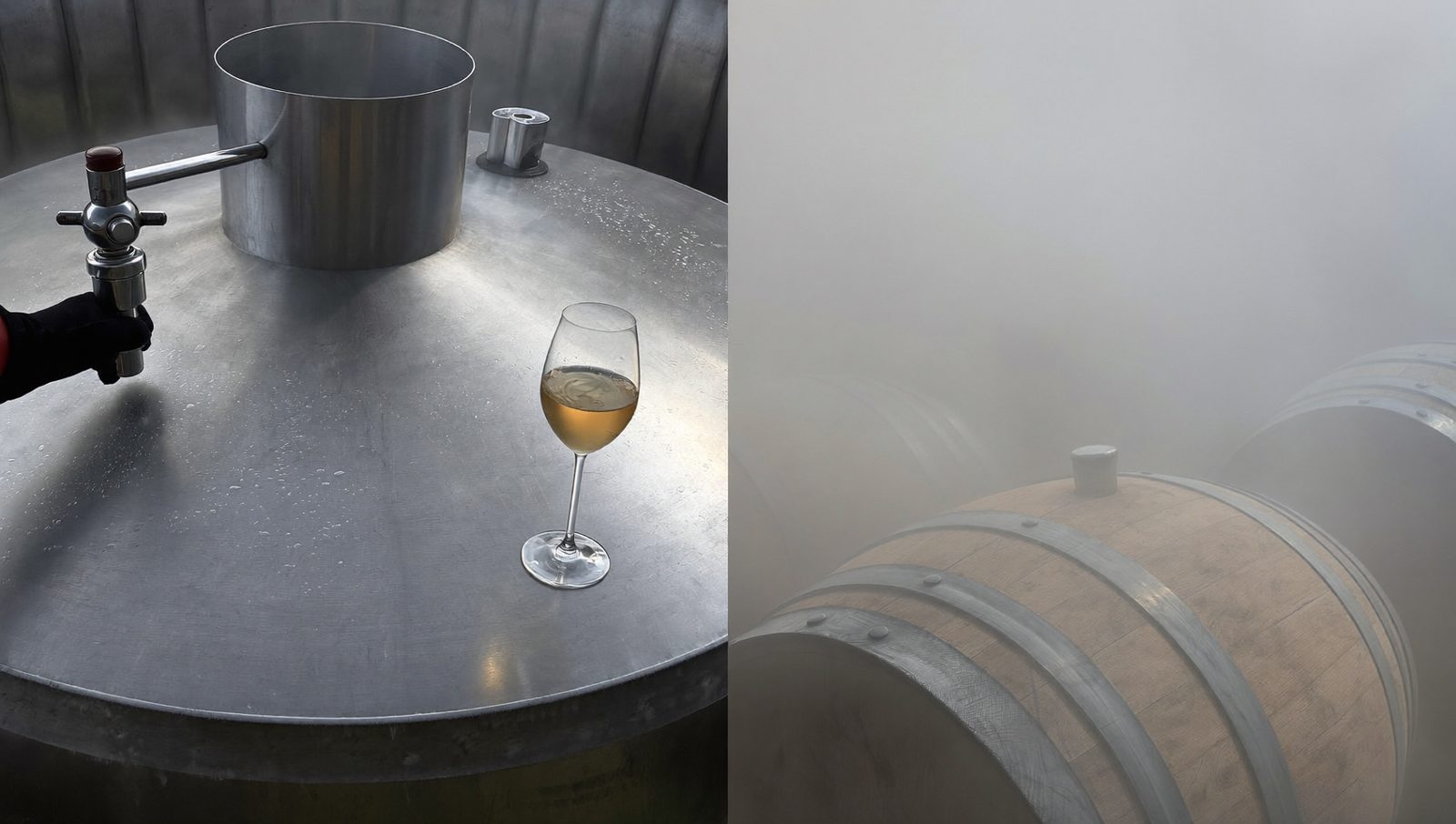
Each bacterium has its own preferred conditions, but in the winery control depends on a few factors that influence each other. The table summarises how each one acts and what to do in practice.
| Factor | Effect on bacteria | What to do in the winery |
|---|---|---|
| Low pH | Limits the growth of lactic and acetic bacteria | Measure the pH of every lot and flag wines with higher pH |
| Molecular sulphur dioxide | Is the active fraction, and its share decreases as pH rises | Calculate free sulphur dioxide based on pH, not only on the dose added |
| Residual sugars | Feed heterofermentative lactic bacteria | Check sugars before malolactic fermentation and before bottling |
| Temperature | Speeds up bacterial growth and metabolism | Keep wines at controlled temperature |
| Oxygen | Favours acetic bacteria | Reduce open racking and keep containers full |
| Hygiene | Reduces the starting bacterial load | Clean and sanitise pumps, hoses and filters at every use |
One often underestimated factor is molecular sulphur dioxide. At higher pH the active fraction decreases, so the same free sulphur dioxide value protects less. A wine with high pH may seem protected when it is not. The OIV code includes sulphur dioxide addition among must treatments, but no treatment replaces measuring pH.
Control works better as a sequence than as an isolated gesture. First you analyse the wine, then you decide whether to carry out malolactic fermentation or not, then you verify the result after the intervention and record everything. Anyone selling to a foreign buyer should be able to show this sequence with data, not with impressions.
Which analyses to request before bottling
A microbiological analysis on its own is not enough. A wine can have few living cells and still have already produced amines or volatile acidity. Useful control combines the microbial count, the check of volatile acidity, the measurement of pH and free sulphur dioxide, and the search for amines when the destination market requires it. The laboratory must declare the method used, because results obtained with different methods are not comparable.
To orient yourself on good winemaking practice, AWRI, the Australian Wine Research Institute, provides a dedicated winemaking section with technical sheets and calculation tools. It is not a regulation, but a useful working base for anyone who wants to set up an internal protocol and then compare it with laboratories.
Frequently asked questions
Are bacteria in winemaking always a fault?
No. Oenococcus oeni is the bacterium deliberately used for malolactic fermentation. The problem arises when other bacteria, such as Lactobacillus or Pediococcus, or acetic bacteria develop without control in a wine that should not have hosted them.
How do you recognise a wine with unwanted bacteria?
Some signs are obvious: a note of vinegar, excessive buttery odour, a ropy texture. Others, such as biogenic amines, cannot be smelled and require laboratory analysis. If in doubt, the volatile acidity value and a microbiological check are the starting point.
Can biogenic amines be removed from wine?
Generally the approach is prevention, not correction. Choosing strains without decarboxylase activity and controlling the timing of malolactic fermentation reduces the risk at source. The limit to respect depends on the destination market and the importer's specification.
Is sulphur dioxide enough on its own to control bacteria?
No. Sulphur dioxide works reliably only if the pH is sufficiently low and the dose is calculated on the active fraction. It must be combined with hygiene, oxygen control and analysis.
Sources
- Cellar sensory analysis: internal panel and score sheets
- Wine analysis methods: OIV, FTIR, enzymatic kits compared
- Wine deacidification: calcium carbonate vs bicarbonate
- Wine Acidification and Deacidification: The Practical Guide
- Wine defects: TCA, Brett, volatile acidity, oxidation
- White grape pressing: pneumatic press and must fractions