Croatina Grape Variety: Potential and Strategies for International Expansion of Wineries
The Croatina grape variety, also known by synonyms such as Bojadanusa, Mladeinka, and Vrbanjka, represents one of the autochthonous varieties that enrich the Italian wine landscape, particularly in the northern regions. Although not among the most internationally widespread grapes, Croatina possesses unique characteristics that make it interesting for the production of quality wines and, potentially, for export. This article explores the peculiarities of this grape variety, from its history to its ampelographic and oenological features, analyzing its potential in the global wine market.
What are the origins and diffusion of the Croatina grape variety?
Croatina is an Italian autochthonous grape variety with deep historical roots, particularly linked to the Oltrepò Pavese territory and also present in other areas of Northern Italy. Its diffusion, although not widespread, is significant in the areas where it has found ideal conditions to thrive, tied to the rural and viticultural traditions of the regions where it is cultivated.
Despite the name possibly suggesting a connection with Croatia, sources indicate that Croatina is an Italian autochthonous cultivar. A study on Croatian viticulture mentions Croatina among the red varieties widespread in the northern part of coastal Croatia, suggesting a possible historical interconnection or terminological confusion, but its identity as an Italian grape is well-established.
What are the ampelographic characteristics of Croatina?
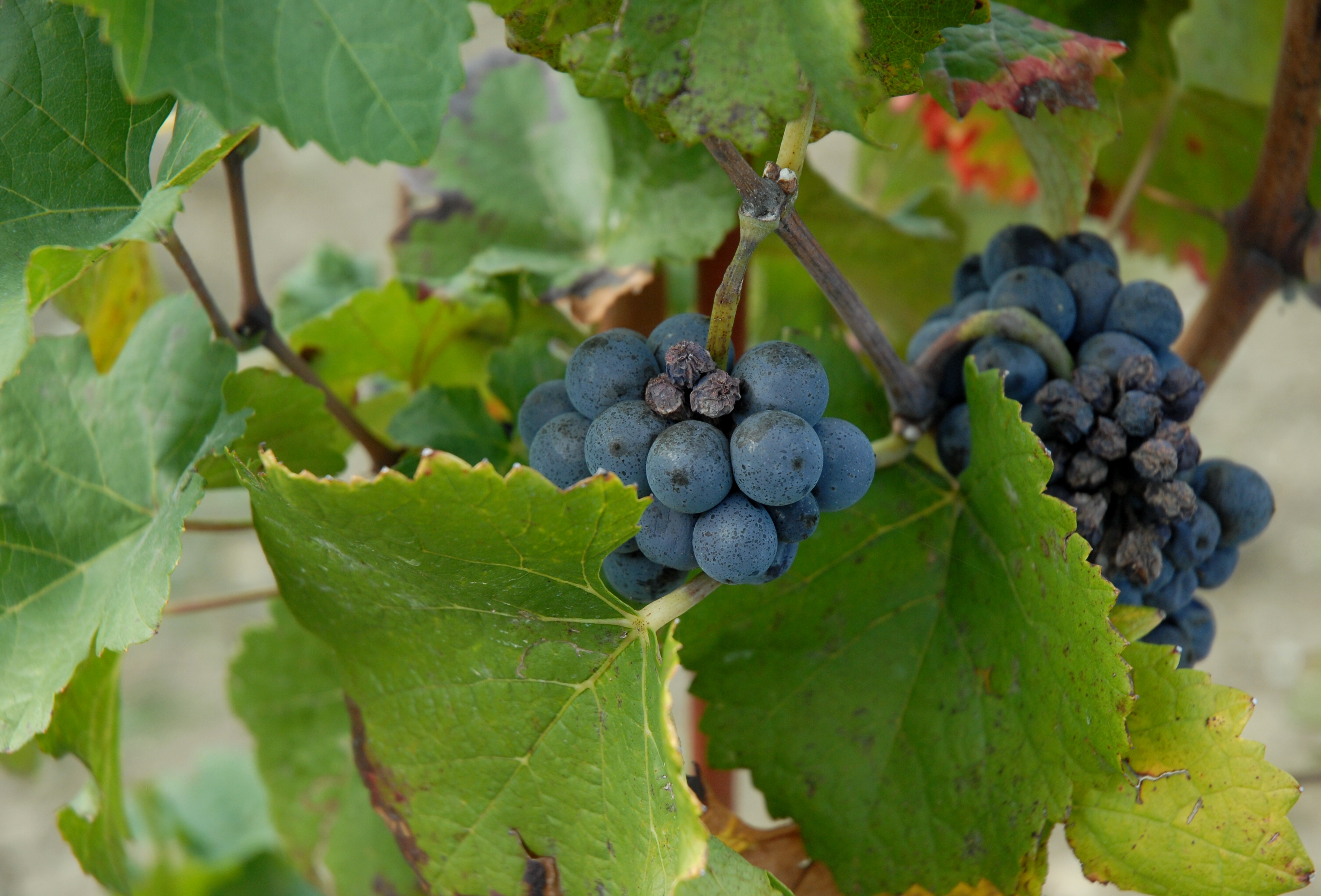
Croatina is distinguished by a semi-upright growth habit of the vegetation, medium vigor, and high yield per vine. The bunch weighs an average of approximately 250 grams, with moderate variability, and the fertility of the basal buds is good, ensuring consistent production.
What are the environmental and cultivation requirements for Croatina?
This grape variety prefers warm and permeable soils that ensure good drainage and an adequate water reserve. It benefits from temperate climates, but unfavorable climatic conditions during flowering could reduce its fruit set. It is important not to force it with excessive fertilization to control its natural high vigor and fertility.
To which diseases and adversities is Croatina sensitive?
Croatina shows sensitivity to botrytis, a fungal disease that can affect the bunches, especially in conditions of high humidity. Furthermore, unfavorable climatic conditions during flowering can negatively impact fruit set.
What are the characteristics of the must and wine derived from Croatina?
Croatina must has a medium sugar content and low to medium acidity, although some descriptions indicate a high sugar content. The resulting wines are typically full-bodied, with medium color and good softness. They have an alcohol content between 9 and 12% vol., an extract between 21 and 26 g/l, and acidity between 4.5 and 6.0 g/l, resulting in wines that are pleasant to drink, fresh, and slightly aromatic.
How is Croatina used in oenology?
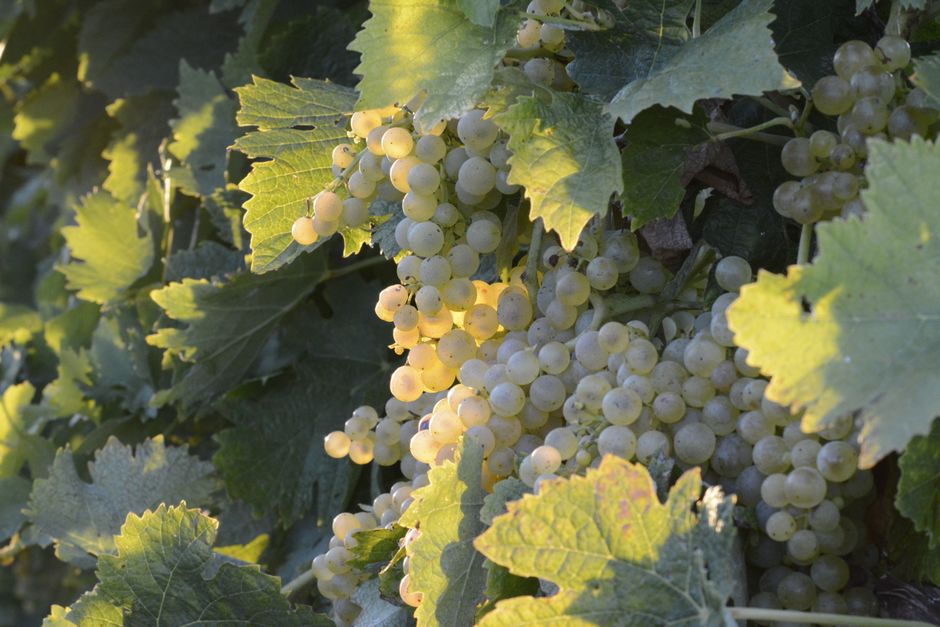
Croatina is a versatile grape variety, primarily used for the production of table wines and quality wines. It is also very suitable for use in blends, lending structure and color to the mix, and can produce wines with a pronounced aroma characteristic of the variety.
What is the export potential of Croatina and which markets should be considered?
Analyzing the export potential for specific grape varieties like Croatina requires careful evaluation. A study on Croatian wine exports highlighted general negative macroeconomic indicators but recognizes the potential for individual wines or grape varieties. This principle is applicable to Italian Croatina: its uniqueness can represent a strength for niche markets interested in discovering autochthonous grape varieties.
The main export destinations for wine from Croatia include Bosnia and Herzegovina, Germany, USA, Montenegro, and Serbia. For Italian Croatina, target markets could be those where interest in Italian autochthonous wines is already established, such as Germany, Switzerland, the USA, and Canada, but also emerging markets. Croatina, with its soft and drinkable wines, could attract consumers seeking balanced and versatile red wines.
To leverage export potential, wineries should focus on storytelling, quality, niche markets, and participation in trade fairs. The presence of buyers interested in specific grape varieties or in Italian red wines with characteristics similar to Croatina strengthens its export potential.
Frequently Asked Questions
What are the most common synonyms for the Croatina grape variety?
The most common synonyms for the Croatina grape variety include Bojadanusa, Mladeinka, and Vrbanjka.
In which Italian regions is Croatina predominantly cultivated?
Croatina is an Italian autochthonous variety, with a significant presence particularly in the northern regions, especially in Oltrepò Pavese.
What are the main organoleptic characteristics of wines produced from Croatina?
Wines derived from Croatina are typically full-bodied, with medium color and good softness. They have an alcohol content between 9 and 12% vol., an extract between 21 and 26 g/l, and acidity between 4.5 and 6.0 g/l, resulting in wines that are fresh and slightly aromatic.
Is Croatina a suitable grape variety for blend production?
Yes, Croatina is very suitable for use in blends, lending structure and color to the mix, and combining its characteristics with those of other grape varieties.
The Croatina grape variety, with its history rooted in Italian territory and its distinctive organoleptic characteristics, possesses export potential that deserves exploration. Through effective communication, a focus on quality, and a strategy targeted at the right markets, wines derived from this autochthonous grape can find their place in the international oenological landscape.