Sangiovese Worldwide: Strategies for Italian Wineries
Sangiovese is a first-rate Italian grape variety, the backbone of world-renowned red wines. Its versatility, terroir expression, and millennia-old history make it a significant growth opportunity for export. This article explores the characteristics of Sangiovese, its origins, and its potential in the global market, analyzing what foreign importers are looking for and how Italian wineries can leverage this grape to expand their international presence. In-depth look: MASAF — National Register of Vine Varieties.
What are the origins and history of Sangiovese?
The origins of Sangiovese are ancient and primarily located in central Italy. Its diffusion is closely linked to the history of Italian viticulture, with evidence dating back centuries. The name itself suggests profound historical and cultural importance, evoking a connection with the divine or the blood of Jupiter.
The cultivation of Sangiovese is inextricably linked to the Italian territory, particularly Tuscany, where it is the primary grape for iconic appellations such as Chianti Classico, Brunello di Montalcino, and Vino Nobile di Montepulciano. Its presence also extends to other central regions like Emilia-Romagna, Marche, Umbria, and Campania, giving rise to wines with distinct yet always recognizable organoleptic profiles.
The Sangiovese grape has been described in ancient texts, such as one mentioning "Sangioveto piccolo or forte" cultivated in the province of Florence and the Sieve Valley. This historical testimony underscores its deeply rooted presence in the Florentine territory and its importance even in past eras.
What are the ampelographic and agronomic characteristics of Sangiovese?
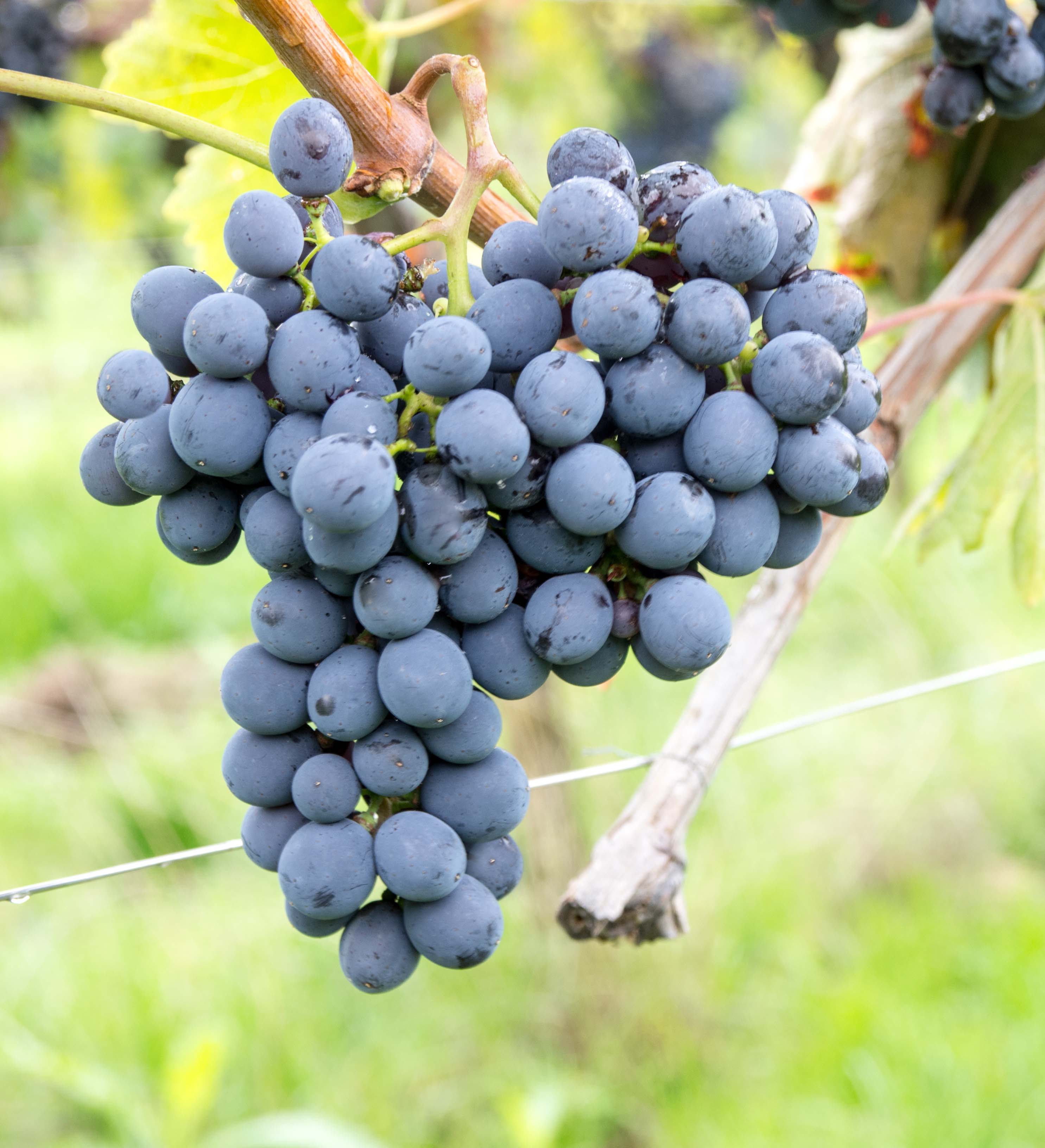
Sangiovese exhibits remarkable phenotypic variability, giving rise to numerous clones and sub-varieties. This diversity is key to its ability to adapt to different terroirs and climates. The leaf is typically pentagonal lobed, medium-sized, with a glaborous upper surface and a hairy lower surface. The cluster is medium, conical or pyramidal, often winged, and very compact. The berries are medium, sub-rounded, with a pruinose skin of violet-black color and are resistant.
Sangiovese prefers fertile, clay-limestone soils, well-exposed to sunlight. It adapts to temperate climates but can suffer in excessively hot and dry ones. It requires adequate pruning and training systems that promote good aeration of the clusters. Ripening is generally late. The grape shows good bud fertility and medium-high vigor, with variable yields. It is moderately tolerant to fungal diseases but can be susceptible to downy mildew, powdery mildew, and botrytis in unfavorable conditions.
What are the characteristics of Sangiovese wine and its export potential?
Sangiovese is an extremely versatile grape variety, capable of producing a wide range of wines, from young and fruity reds to complex aged wines. The acidity and sugar levels in the must allow for the production of wines with good alcohol content and balanced acidity, with sugar levels between 16.0% and 21.4%, and acidity around 6.0-9.5 g/l.
The wines generally present a ruby red color, with good acidity and elegant tannins. The aroma is typically fruity (cherry, plum), with floral notes that evolve with aging towards more complex nuances of leather, tobacco, and spices. Sangiovese can be used to produce table wines, dessert wines, and fortified wines (with late harvest or grape drying), and especially wines for aging, thanks to its tannic structure and acidity.
Sangiovese enjoys an excellent international reputation. Foreign importers seek wines that offer good value for money, tell a story, and are an authentic expression of their territory. Sangiovese, with its long history, regional diversity, and capacity to produce high-quality wines, perfectly meets these needs. Wineries should emphasize terroir expression, clearly define wine style, practice effective storytelling, and, where applicable, highlight organic or sustainability certifications. The international market is increasingly interested in native grape varieties that offer an alternative to the major international ones, and Sangiovese is ideally positioned to capitalize on this trend.
What do foreign importers look for when purchasing Sangiovese wines?
Wine importers seek reliable partners who can offer products of consistent quality and with sales potential in their respective markets. For Sangiovese, foreign buyers are interested in authenticity and origin, preferring wines that clearly reflect their Italian provenance and varietal characteristics, with recognized appellations like Chianti Classico or Brunello di Montalcino representing a solid starting point.
Consistent quality, meaning the ability to produce batches of wine with similar organoleptic characteristics year after year, is crucial. Wines with aging potential are also appreciated for higher market segments. A balance between quality and price is essential, especially for more cost-sensitive markets. Finally, importers look for wineries willing to collaborate on marketing and promotional activities in the destination market.
Frequently Asked Questions
What are the main Italian regions where Sangiovese is grown?
Sangiovese is primarily grown in central Italy, with a strong presence in Tuscany, Emilia-Romagna, Marche, Umbria, and Campania.
Is Sangiovese suitable for aging?
Yes, the tannic structure and acidity of Sangiovese make it ideal for aging, allowing for the development of complex bouquets and long-term preservation.
What characteristics do foreign importers look for in Sangiovese wines?
Importers seek authenticity, clear origin, consistent quality, aging potential, competitive pricing, and marketing support.
Can Sangiovese produce sweet wines?
In some cases, after drying the grapes, sweet wines based on Sangiovese can be obtained.
The Sangiovese grape variety represents an excellent opportunity for Italian wineries wishing to expand their international market presence. Its rich history, diverse territorial expressions, and ability to produce high-quality wines make it an ideal ambassador for Made in Italy enology.
If your winery is ready to explore export opportunities for its Sangiovese-based wines, Wines Export can offer the necessary support to navigate the complexities of international markets and connect you with the right buyers.