Wine team building in Rome and Lazio: corporate winery tastings for groups
Wines Export Editorial · Last updated:
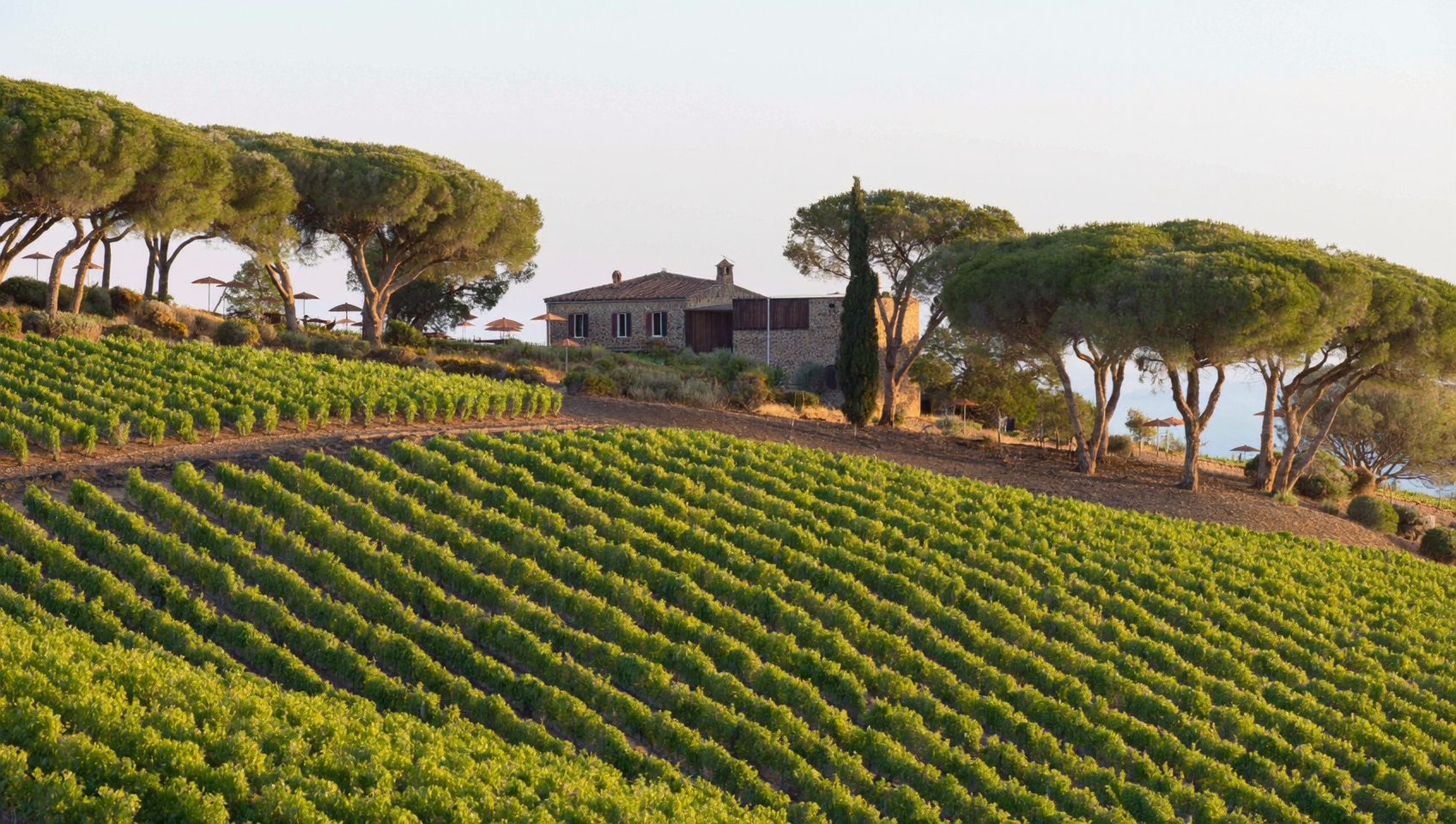
Wine team building in Rome is a guided tasting or a winery programme designed for a group of colleagues who work together on a goal that differs from the desk-based routine. Formats range from a commented tasting to a blending exercise, and to food and wine pairings. The most practical areas to reach from the city are the Castelli Romani, Frascati, the Cesanese del Piglio area and the Viterbo Tuscia. For a winery in Lazio, the event also helps it become known to those who organise trips and meetings, whether Italian or foreign. For the general picture of Lazio wine exports, see Lazio wines near Rome, between Frascati and Cesanese, for importers.
What wine team building is and why companies choose it
Wine team building is a group activity in which wine serves as the tool: you taste, compare, describe and decide together. Compared with a traditional group dinner, the advantage is that the activity requires shared attention, and no one remains a spectator. The Movimento Turismo del Vino brings together more than 800 registered wineries in 20 regions and organises more than 300 events a year, which means the network of wineries open to visitors is wide and already used to hosting groups.
For the company, the point is not only enjoyment. A winery event gives participants a shared experience to remember, and the organiser can choose a format consistent with the theme of the day: a sales meeting, a year-end party, or a meeting with foreign clients. The format should be decided before looking for a winery, because it affects duration, the number of people that can be managed and the type of space required.
Formats: guided tasting, blending, food and wine, treasure hunt
These are four formats that Lazio wineries can offer, with clear practical differences.
| Format | What the group does | Suited to |
|---|---|---|
| Guided tasting | Tastes a series of wines with a guide who explains grape variety, soil and winemaking | Groups who want to understand the wine without hands-on work |
| Blending | Tries to compose a wine by combining different wines, with the guide correcting the proportions | Teams working towards a common goal who want a concrete exercise |
| Food and wine | Pairs local dishes with the winery's wines, often with a shared cooking moment | Mixed groups, including participants who do not drink much wine |
| Treasure hunt | Teams look for clues in the vineyards or the cellar and answer questions about the wines | Large groups who need to move around |
The choice between these formats depends on the time available and the average age of the group. Blending requires more attention and a well-equipped table. The treasure hunt works better outdoors, on a day without rain. The guided tasting is the easiest to organise and to compare across different wineries, because the programme is almost always the same.
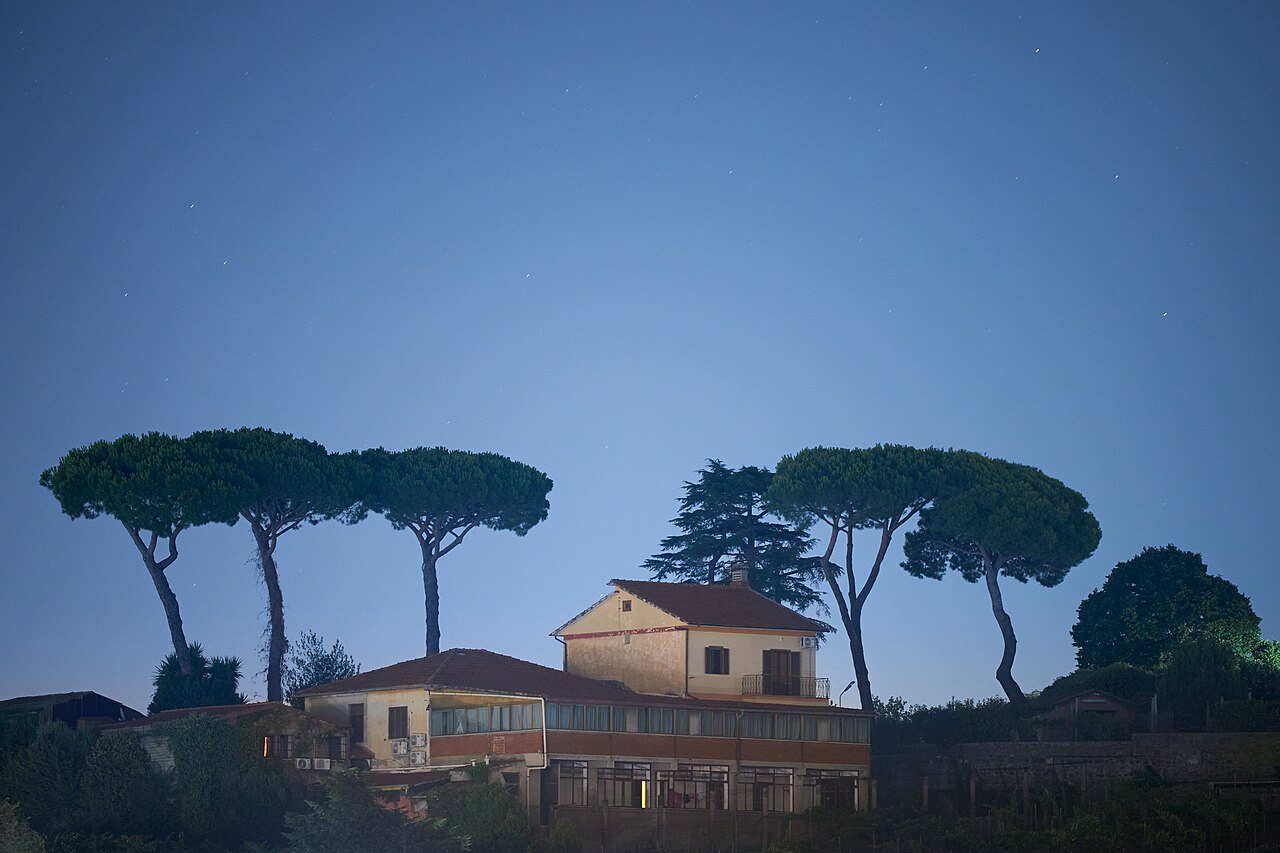
Where near Rome: Castelli Romani, Frascati, Cesanese del Piglio, Tuscia
The areas close to Rome offer different landscapes and wines, and this changes the experience. The Castelli Romani are the closest to the city and combine villages, hills and small wineries. Frascati is the most famous name in the area. Cesanese del Piglio lies further south-east, in the province of Frosinone, and offers a red with a character different from the whites of the Roman hills. For wineries in the Frosinone area, see Piglio wine in the province of Frosinone, wineries and exports. The Viterbo Tuscia, further north, is an area of vineyards and Etruscan villages, at a greater distance from Rome. For wineries in the Tuscia, see wineries of Viterbo and the Tuscia ready for export.
| Area | Wine to present to the group | Example event in the sources |
|---|---|---|
| Castelli Romani | Hill whites and local wines | Festival del Gusto in Albano Laziale, from 6 to 8 November 2026, on the VisitLazio website |
| Frascati | Historic white of the area | Request for a visit with tasting to propose to the winery |
| Cesanese del Piglio | Red from the Frosinone area | To be verified with the individual winery, which may organise visits outside the calendar |
| Tuscia | Reds and whites from the Viterbo area | Poggio Bbaranèllo, Festa di Fine Vendemmia in the heart of the Tuscia, reported by the Movimento Turismo del Vino |
Among the Lazio wineries reported by the Movimento Turismo del Vino in 2026 are Pileum, Tenuta Le Quinte and Villa Simone, which joined Cantine Aperte during the harvest or offered days with tasting. The calendar changes every year, so before choosing a winery it is advisable to check the events already scheduled and to ask whether the visit can be arranged by reservation for a private group.
Those organising the event from Rome should also consider distance. The Castelli Romani can be reached in a short time, while the Tuscia requires a longer journey. For groups staying in the city, the official Rome tourist card, the Roma Pass, can help organise the days before or after the event, as indicated on the Turismo Roma website.
Foreign corporate groups: language, transport, duration, wine to take home
When the group is foreign, the questions change. The first is language: ask the winery whether the guide speaks English, or the participants' language, and whether written material (wine sheets, programme) is available in more than one language. A guide who translates every sentence slows down the tasting and distracts the whole group.
Transport is the second issue. Check who takes the group from the city to the winery and who brings them back, because in hilly areas coach travel requires suitable roads. Also ask for the expected duration and the arrival time, so the programme can be aligned with flights or other commitments of the trip.
Finally, the wine to take home. For the sales route abroad, see the guide to Lazio wine exports. Many foreign groups want to buy bottles during the visit. Before doing so, check the rules for taking wine out of Italy into the destination country, which vary from one country to another and should be verified on the customs website of that country. For the Italian side of the shipment, ask the winery how it organises dispatch and which documents it prepares.
Costs and what a winery's quote includes
The sources listed at the end do not report prices for corporate tastings. The quote must be requested directly from the winery and should be comparable between one offer and another. The items to check are four:
- the guide, with an indication of language and duration;
- the number of wines in the tasting and whether they are included in the price or paid separately;
- the food, whether it is pairings or a simple lunch at the winery;
- the transport from the city and the reception service on arrival.
Also ask whether the price is per person or per group, and whether there are conditions in case of cancellation or a change in the number of participants. A quote that says nothing about these items is difficult to compare with others.
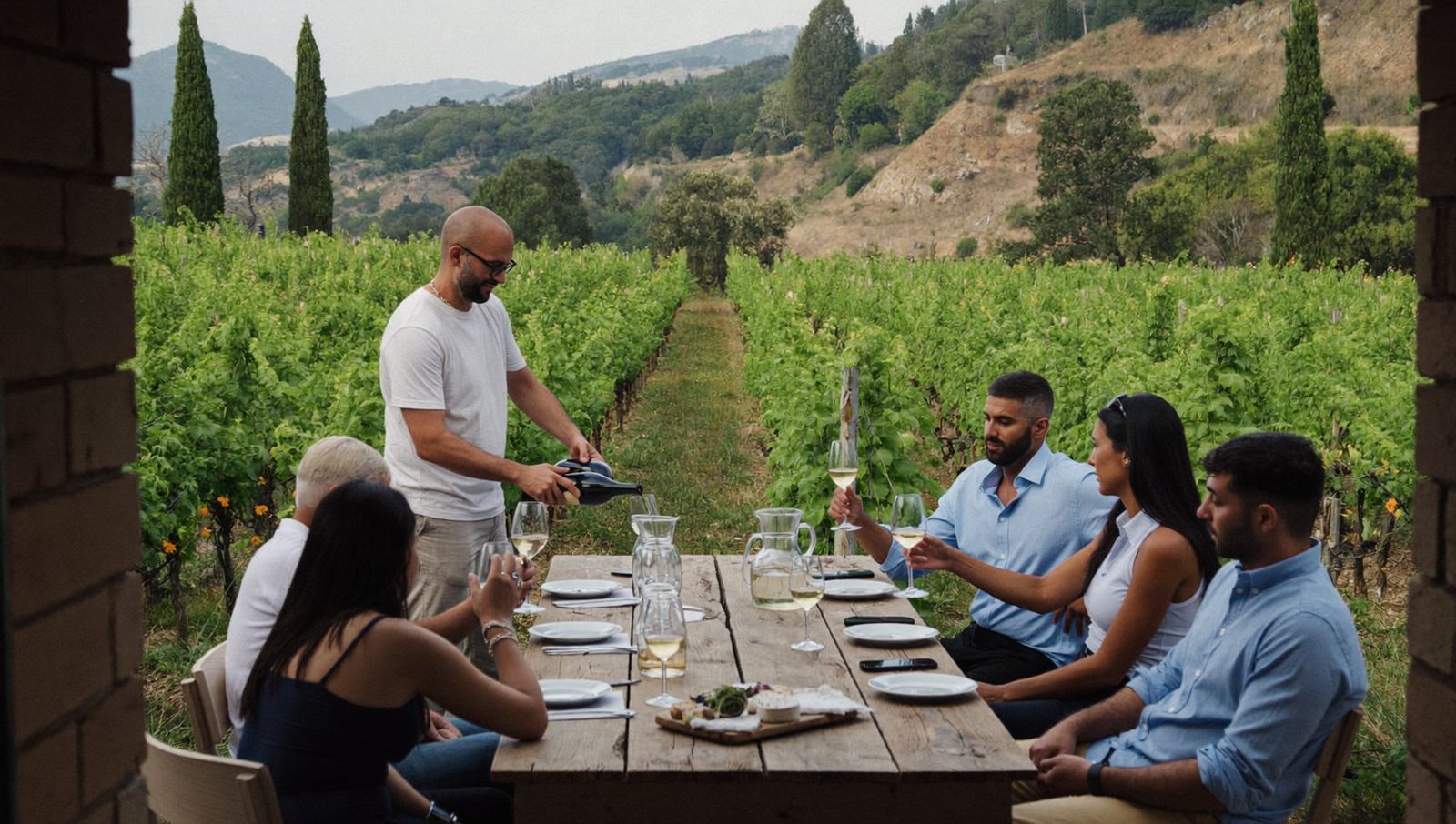
From the corporate event to contact with foreign operators
For a winery, wine team building can become a commercial tool, provided the event is also designed for this purpose. The companies taking part may be clients, collaborators of importers or people with their own network of contacts abroad. Collect the contacts of foreign participants with their consent, and prepare for each one a sheet with the wines tasted and the reference price. Those who want to build a stable export channel can read Rome wineries and wine exports, what to prepare.
The institutional context helps. At the end of September 2026 the Movimento Turismo del Vino commented on the MASAF decree on wine tourism, asking for clear rules that also involve the associations representing wineries. The Lazio Region, as VisitLazio reports, announced its presence at the World Travel Market in London, an international tourism event. A winery that organises events for groups can take part in these channels, but it must already have a programme in English and a presentation sheet ready.
The next step is simple: after the event, send your foreign guests a summary with the wines tasted and the information for buying them. A sheet sent after the tasting helps guests remember the wines they tried and keep in touch.
Frequently asked questions
How much does wine team building in Rome cost?
The sources listed at the end do not report prices. The price depends on the format, the number of participants, the food and the transport. Ask the winery for a quote that lists each item separately.
Can wine team building be done in English?
Yes, but it depends on the individual winery. Ask whether the guide speaks English and whether written material is available in the language before confirming the date. For foreign groups it is also useful to have a translated wine sheet.
Which areas near Rome should you choose for a day trip?
The Castelli Romani and Frascati are the areas closest to the city and can be reached in a short journey. The Tuscia requires more travel time. The choice depends on the type of wine you want the group to taste and on the day's programme.
Do I need to book a winery visit for a group?
Ask the winery whether it accepts groups by reservation even outside its public opening days. Check the confirmation times and the maximum number of people per session.
Sources
- Winemaking Additives Allowed in EU, Not in USA, Japan, China
- Wine stabilisers: CMC, gum arabic, mannoproteins
- Winery Equipment List: What to Buy First, What to Rent
- Wine polysaccharides and mannoproteins: uses in winemaking
- Wine lab analysis tools: what a winery really needs
- Wine fining agents: bentonite, PVPP, plant proteins, dosage