Zibibbo: Cultivation, Characteristics, and the International Market
Zibibbo, a grape variety with an evocative name and a millennia-old history, represents one of the gems of Italian and Mediterranean oenology. Originating from Armenia and spread along ancient trade routes, this grape is now the focus of renewed interest, both for its intrinsic qualities and its promising potential in the wine export market. From its origins, linked to the Arabic term "zabib" (raisin), to modern oenological interpretations, Zibibbo offers a versatility that conquers international palates and markets. In-depth look: MASAF — National Register of Vine Varieties.
Where Does the Zibibbo Grape Variety Come From?
The origins of Zibibbo are rooted in ancient times, with a probable provenance from Armenia. Its history is intrinsically linked to the cultural and commercial dynamics of the Mediterranean. The name itself, "Zibibbo," derives from the Arabic "zabib," meaning "raisin" or "dried grape," a clear reference to its historical use related to the natural drying of grapes.
The practice of obtaining wines from dried grapes is considered primitive and has spanned centuries, echoing ancient sweet wines. Genetically, Zibibbo is traceable to Muscat of Alexandria, an ancient variety cultivated in Egypt and subsequently spread along Phoenician, Greek, and Arab routes in the 1st millennium BC along the Mediterranean coasts, reaching the islands and southern regions of Italy, with Sicily representing a key stop on this expansion. Today, Zibibbo is particularly widespread in Italy, especially in Sicily and smaller islands like Pantelleria.
What are the Ampelographic and Agronomic Characteristics of Zibibbo?
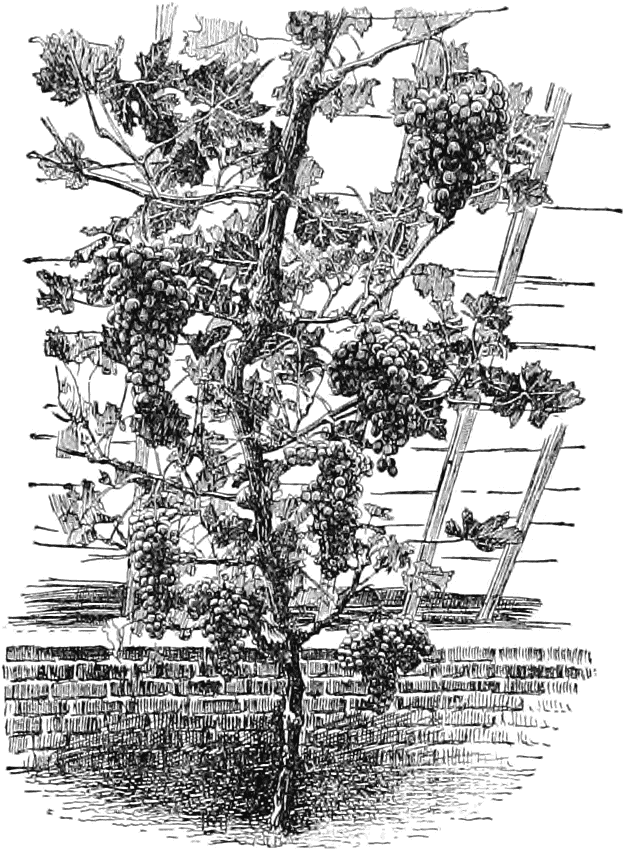
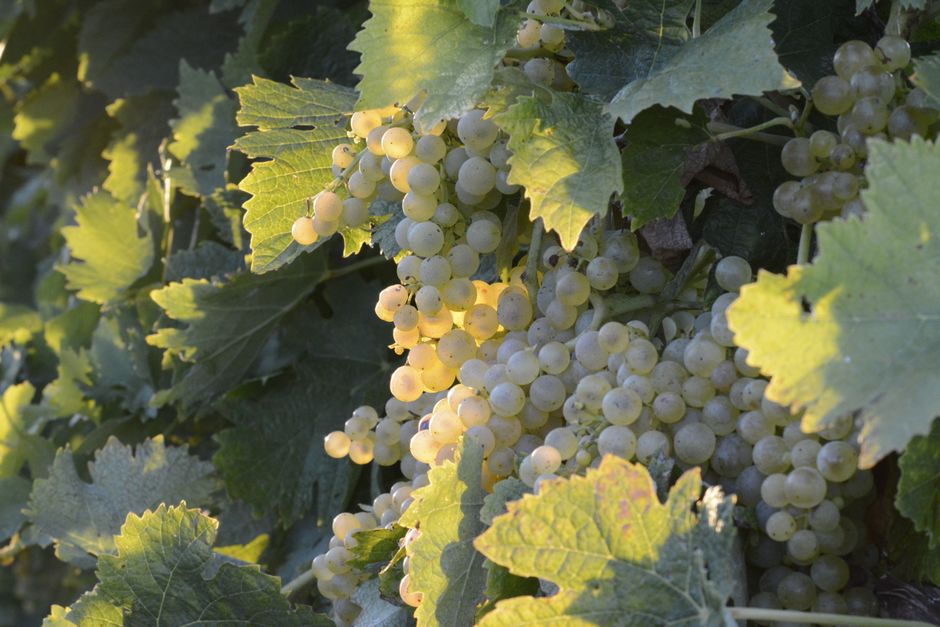
From an ampelographic perspective, Zibibbo presents distinctive characteristics. The tip of the shoot is yellow-green, while the adult leaf is medium-sized, orbicular in shape, with five lobes. The bunch is medium to large. The berry has a very thin skin, almost transparent to the touch, rough, with a juicy and consistent pulp, a sweet flavor, and a varietal aroma.
Zibibbo prefers dry clayey or alluvial soils, as long as there is sufficient water availability in summer. Berry set is good, and fruitfulness is abundant. The vine shows medium sensitivity to downy mildew but good resistance to botrytis and sour rot. The must has a high sugar content (around 20.45 °Brix), an acidity of about 9.5 g/l, and a pH of 3.16.
In Which Wine Types Does Zibibbo Express Itself Best?
The true strength of Zibibbo lies in its extraordinary oenological versatility, allowing the production of a range of wines capable of satisfying diverse market needs. Traditionally, it is celebrated for the production of sweet and dried grape wines. In Pantelleria, the drying of the grapes often occurs in late September, with bunches maturing on the vine or laid out on "stinnituri" (drying racks) for uniform dehydration.
From these grapes, Passito di Pantelleria is born, a wine rich in notes of fruit, honey, and flowers, historically linked to island pastries and aged cheeses. The Moscato obtained from Zibibbo is sweet but not cloying, with a complex aromatic profile. In addition to sweet versions, Zibibbo lends itself magnificently to the production of dry, intense, and fragrant wines, ideal for pairing with fish dishes and spiced cuisines.
What is the Health Potential of Zibibbo Seeds?
Recent studies have highlighted the health potential of Zibibbo seeds. Extracts from the seeds have demonstrated a proliferative effect on osteoblastic cells, modulating the phosphorylation of specific kinases involved in cellular health and metabolism. The conclusions suggest that Zibibbo seeds, rich in phenolic compounds and flavonoids with strong antioxidant properties, may have beneficial effects on bone metabolism and osteoblast proliferation.
These compounds could serve as an additional therapy to slow down bone aging and degeneration, with potential applications in countering osteodegenerative conditions such as osteoporosis. Further research is needed to confirm these benefits.
What are the Export Opportunities for the Zibibbo Grape Variety?
The growing interest in indigenous and aromatic grape varieties, combined with Zibibbo's versatility, opens significant opportunities in the wine export market. Foreign buyers are increasingly seeking wines that tell a story, offer a unique sensory experience, and represent the authenticity of their origin. Zibibbo, with its long history and its ability to produce both sweet and dry wines, perfectly meets these needs.
Markets with a tradition of appreciating sweet/passito wines, such as the United States, Canada, the United Kingdom, and Nordic markets, value high-quality dessert wines. Passito di Pantelleria can attract consumers looking for gastronomic excellence. The increasing popularity of Mediterranean and Asian cuisine creates demand for dry, aromatic white wines with good acidity, capable of pairing with complex and spicy dishes, a niche where dry Zibibbo is ideally positioned. Many markets value viticultural diversity and the rediscovery of indigenous grape varieties, and Zibibbo, with its uniqueness, can attract curious consumers.
How Can Italian Wineries Position Themselves for Zibibbo Export?
To maximize the export potential of Zibibbo, Italian wineries can adopt various strategies. It is essential to communicate the grape's millennia-old history, its connection to the Mediterranean and agricultural traditions, creating strong narrative value. Highlighting its versatility by promoting the range of wine styles produced (passito, moscato, dry aromatic) allows reaching different market segments.
Emphasizing unique characteristics, such as aromatic intensity (citrus, floral, Mediterranean herbs) and distinctive taste profile, can attract quality-conscious consumers. Participation in trade fairs and commercial missions is crucial for meeting interested buyers and distributors. Collaborating with specialized importers experienced in promoting niche Italian wines can accelerate entry into foreign markets.
Frequently Asked Questions
What are the main international markets for Zibibbo wines?
Markets with a tradition of appreciating sweet and passito wines, such as the United States, Canada, and the United Kingdom, show growing interest. Additionally, emerging markets for dry aromatic wines that pair well with spicy cuisines represent another area of potential.
What types of food pairings is Zibibbo suitable for?
Zibibbo lends itself to a wide range of pairings. Passito wines are ideal with pastries, aged cheeses, and foie gras. Dry and aromatic versions are perfect for fish dishes and spicy cuisines, thanks to their freshness and Mediterranean aromas.
What are the health benefits associated with Zibibbo?
Studies suggest that Zibibbo seeds, rich in antioxidants, may have beneficial effects on bone metabolism and osteoblast proliferation, with potential applications in combating conditions such as osteoporosis.
Zibibbo is not just a grape variety, but an ambassador of history, culture, and biodiversity. Its growing potential in the wine export market represents a concrete opportunity for Italian wineries looking to diversify their offerings and conquer new palates globally.