Abruzzo Wine: Market Opportunities for Importers and Buyers
Wines Export Editorial · Last updated:
Abruzzo offers a wine heritage of significant interest for the international market, with wines that combine history, terroir, and quality. For foreign buyers and importers, Abruzzese wines, particularly those based on Montepulciano, represent a tangible opportunity to enrich their portfolios with authentic and competitive products. This guide explores the appellations, grape varieties, and export dynamics, providing essential information for those seeking Italian wines with a strong territorial connection and global success potential. Deep Dive: Federdoc — National Confederation of Italian Wine Denominations Consortia.
How Has Viticulture Evolved in Abruzzo?
Viticulture in Abruzzo has ancient roots, dating back to pre-Roman times. Ancient historians already celebrated the region's wines, with particular mention of the Sulmona area. Montepulciano established itself as the principal grape variety from the 19th century. Despite a period of promoting more productive varieties in the post-war era, today we are witnessing a rediscovery and enhancement of indigenous grapes, which produce high-quality wines.
What are the Main Appellations and Wine Types in Abruzzo?
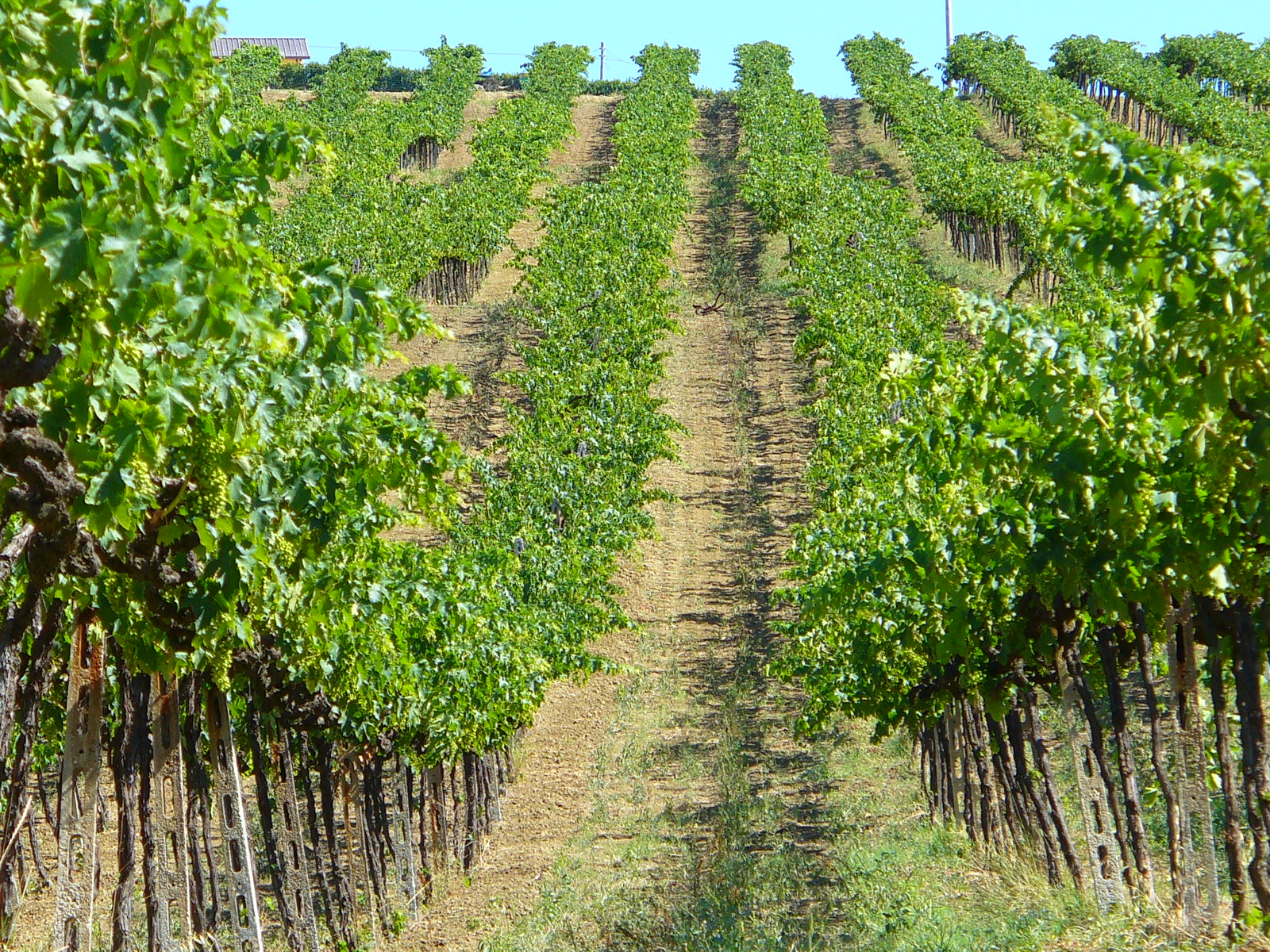
The "Abruzzo DOC" appellation covers the entire territory of the provinces of Chieti, L'Aquila, Pescara, and Teramo. In 2019, DOC production reached 21,779 hectoliters from 260 hectares under vine. The types include Abruzzo Bianco (based on Trebbiano), Abruzzo Rosso (based on Montepulciano), Abruzzo Passito Bianco and Rosso, and Abruzzo Spumante Bianco and Rosé, with regulations defining their composition and characteristics.
What are the Characteristics of Abruzzo Bianco DOC?
Abruzzo Bianco DOC is composed of at least 50% Trebbiano Abruzzese and/or Trebbiano Toscano grapes, with the possibility of adding up to 50% other non-aromatic white grapes. It presents a straw-yellow color, with fruity and delicate aromas, and a dry, fresh, and harmonious taste. It is ideal for fish appetizers, seafood pasta dishes, and grilled fish.
What are the Characteristics of Abruzzo Rosso DOC?
Abruzzo Rosso DOC is primarily based on Montepulciano (minimum 80%), with a maximum of 20% other non-aromatic red grapes. The color is intense ruby red, with aromas of red berries and spices, and a full-bodied, dry, and harmonious taste. It pairs perfectly with cured meats, pasta with meat sauces, and medium-aged cheeses.
What Distinguishes Abruzzo Passito Bianco and Rosso?
Abruzzo Passito Bianco and Rosso are produced from partially dried grapes. The Bianco requires at least 60% white grapes such as Malvasia, Moscato, Passerina, Pecorino, Riesling, Sauvignon Blanc, and/or Traminer. The Rosso is produced from at least 60% dried Montepulciano grapes. Both have an intense appearance, ethereal aromas, and a sweet, full-bodied, and velvety taste, perfect with biscuits, pastries, and blue cheeses.
What are the Characteristics of Abruzzo DOC Sparkling Wines?
Abruzzo Spumante Bianco is produced from at least 60% Chardonnay, Cococciola, Montonico, Passerina, Pecorino, and/or Pinot Noir grapes. Abruzzo Spumante Rosé is composed of at least 60% Montepulciano and/or Pinot Noir grapes. Both have a fine appearance and persistent mousse, with a fresh and harmonious taste, suitable as an aperitif or throughout the meal.
Are There Other Important Appellations or Grape Varieties in Abruzzo?
In addition to the DOC, Abruzzo boasts IGT wines such as Alto Tirino, Colli Aprutini, Colli del Sangro, Colline Frentane, Colline Pescaresi, Colline Teatine, Del Vastese, Terre di Chieti, and Valle Peligna. Alongside the renowned Trebbiano d'Abruzzo, indigenous white grape varieties like Pecorino, Cococciola, Passerina, Montonico, and Fiano are gaining prominence, offering great potential.
What Market Opportunities Does Abruzzo Wine Offer Foreign Importers?
Abruzzo presents a diverse offering, from Montepulciano d'Abruzzo DOC, appreciated for its quality-price ratio and versatility, to niche wines from rediscovered indigenous grape varieties, passito wines, and sparkling wines. The authenticity and territorial identity of Abruzzese wines respond to the growing global demand for unique and high-value products.
How Does the Export Process for Abruzzese Wines Work?
The export process involves buyer qualification, negotiation via proforma invoice, and preparation of the necessary documentation. This documentation includes production labels compliant with EU regulations, any local adhesive labels, certificates of analysis, and certificates of origin. It is crucial to verify import licenses and the specific requirements of the destination market.
Conclusion
Abruzzese wine represents a market segment with significant export growth potential. The combination of history, indigenous grape varieties, clear regulations, and a diverse offering makes Abruzzese wines a strategic choice for international buyers and importers seeking authenticity and quality.
Our network includes several selected Abruzzese wineries, ready to explore new markets and establish lasting partnerships with foreign importers.
Are you a foreign buyer or importer interested in discovering the potential of Abruzzese wines or negotiating directly with producers?
to explore partnership opportunities.
Frequently Asked Questions
What are the main wine appellations in Abruzzo and which grape varieties do they use?
The main appellation is "Abruzzo DOC," which covers the entire regional territory and includes types such as Abruzzo Rosso (primarily Montepulciano), Abruzzo Bianco (Trebbiano), Passito Bianco and Rosso, and Spumante Bianco and Rosé. In addition to the DOC, there are IGT wines and growing indigenous white grape varieties like Pecorino, Cococciola, Passerina, Montonico, and Fiano.
How do Abruzzo Rosso DOC and Abruzzo Passito Rosso DOC differ?
Abruzzo Rosso DOC is produced from at least 80% Montepulciano grapes, with an intense ruby red color and a full-bodied taste. Abruzzo Passito Rosso DOC, on the other hand, is produced from partially dried Montepulciano grapes, resulting in a wine with an intense appearance, ethereal aromas, and a sweet, full-bodied, and velvety taste.
What are the key steps for a foreign importer looking to export Abruzzese wines?
The export process for Abruzzese wines includes buyer qualification, negotiation via proforma invoice, and preparation of the necessary documentation. This documentation includes production labels compliant with EU regulations, any local adhesive labels, certificates of analysis, and certificates of origin, in addition to verifying import licenses and specific destination market requirements.