Arneis: Cultivation, Characteristics, and International Market for Wineries
Arneis, a white grape variety originating from Roero in Piedmont, represents an Italian enological gem with significant potential for conquering international markets. Known for its elegance, freshness, and versatility, Arneis is the protagonist of wines that, while rooted in tradition, are increasingly looking towards export. This article explores its history, characteristics, and opportunities for wineries and foreign importers. In-depth look: MASAF — National Register of Vine Varieties.
Where Does Arneis Come From and What is Its History?
The origins of Arneis are firmly anchored in the Piedmontese territory, particularly in the hills of Roero. The first written records date back to the second half of the 19th century, when it was also known as Bianchetta or Nebbiolo Bianco. The name "Arneis" derives from the Cuneo dialect and means "tool" or "trifle."
Despite its ancient roots, Arneis risked extinction in the second half of the 20th century. It was the growing demand for white wines that could accompany the renowned red wines of northwestern Italy that saved it, leading to renewed interest and appreciation. Today, Arneis is the base grape for the production of Denominazione di Origine Controllata e Garantita (DOCG) wines such as Roero and Terre Alfieri. Its history is also linked to an evolution in its role: while in the past it was primarily used to soften Nebbiolo, today it is increasingly vinified in purity.
What are the Ampelographic Characteristics and Ideal Soil for Arneis?
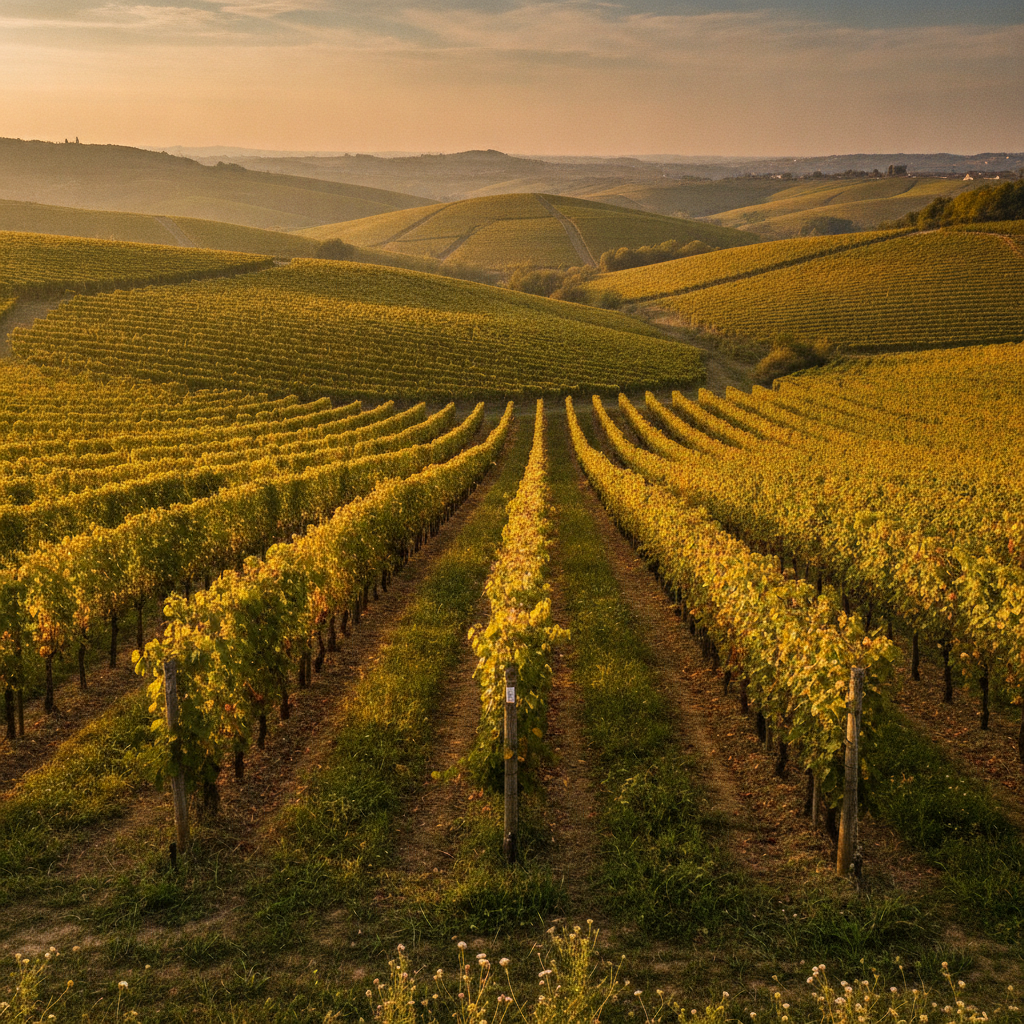
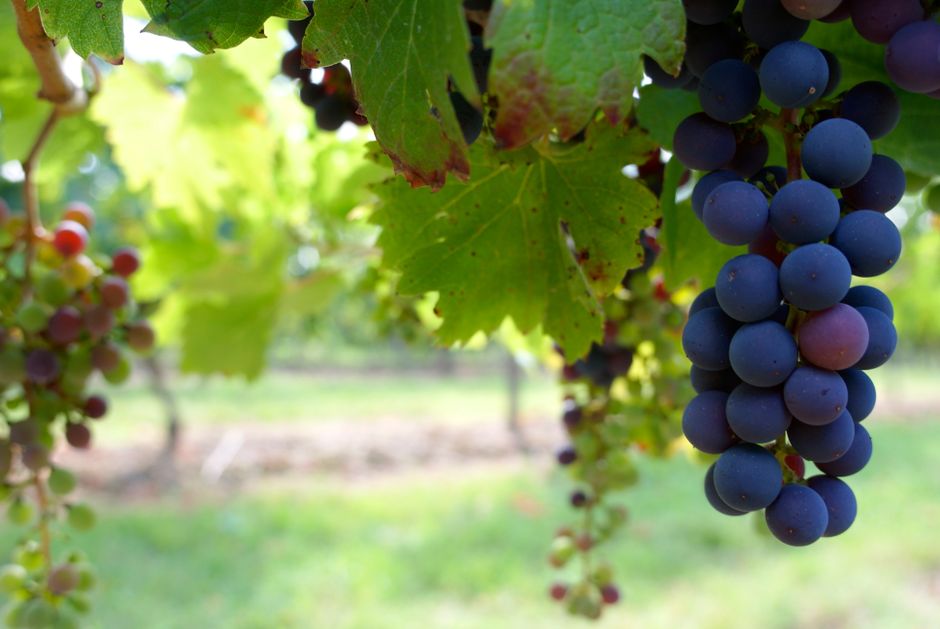
Arneis is a grape variety with well-defined morphological characteristics. The cluster is medium-small in size, with a cylindrical-pyramidal shape and often winged. The berries are medium-small, ellipsoidal, yellowish-green in color, and covered with abundant bloom. The leaves are medium-sized and show good resistance to powdery mildew, although it is susceptible to this disease.
The ideal cultivation for Arneis involves a Guyot system with short or mixed pruning. It prefers hilly terrain with good exposure and a predominantly sandy composition. The marl-sandy soils of Roero, rich in sands of marine origin, are particularly suitable, as they enhance the aromaticity of white wines and impart finesse. The proximity to the "rocche" (rocky outcrops) of Roero contributes to infusing elegance and distinct minerality into the wine.
What Organoleptic Profile Do Arneis Wines Have?
Wines produced from Arneis are typically dry, with a medium to full body, characterized by remarkable freshness and elegant aromatics. On the nose, delicate notes of almond, apricot, peach, pear, and apple can be perceived, with herbaceous and floral nuances. On the palate, Arneis offers a harmonious and savory taste, with a lively acidity that makes it pleasant and thirst-quenching.
Vinification can significantly influence the wine's profile. Wines fermented and/or aged in wood can acquire greater structure and complexity, while those that avoid oak influence tend to express their aromatic and fragrant characteristics more fully. Arneis also has the potential for producing passito wines, made from late-harvested grapes, which offer a more intense and concentrated taste experience.
What is the Export Potential of Arneis and Where is it Exported Most?
Arneis is demonstrating significant growth potential in international markets. Exports currently represent a substantial portion of production, with the United States remaining the main destination market, followed by the European Community.
Despite a cyclical downturn in recent vintages, production figures for Roero and Roero Riserva based on Arneis are consolidating. The challenge for the future is to effectively communicate the potential of this appellation, which the market is still learning to fully recognize and reward. The elegance, freshness, and versatility of Arneis make it an ideal wine to pair with a wide range of dishes, from seafood to more complex dishes, making it an excellent choice for international consumers seeking quality white wines with a story to tell. Its ability to offer a refreshing style, sometimes compared to Chablis but with fruitier aromas, combined with its herbaceous and nutty character, positions it favorably in the global wine landscape.
What are the Recent Production and Export Figures for Arneis?
The most recent data indicate a production of approximately 7,177,782 bottles of Roero Arneis for the 2025 vintage, a decrease of -5.82% compared to the previous year. For Roero 2023, production was 669,820 bottles, a drop of -10.86% compared to 2022. Despite these fluctuations, exports remain a fundamental pillar, absorbing 60% of total production.
Frequently Asked Questions About Exporting Arneis
What are the main destination markets for Arneis?
The United States remains the main destination market for Arneis, followed by the European Community.
What percentage of Arneis production is destined for export?
Exports absorb 60% of the total Arneis production.
How is Arneis perceived in the international market compared to other white wines?
Arneis is appreciated for its elegance, freshness, and versatility, offering a refreshing style with fruity aromas, an herbaceous and nutty character, sometimes compared to Chablis but with greater fruitiness.
Arneis is a grape variety that offers an interesting growth opportunity in international markets thanks to its intrinsic quality and versatility. For Italian wineries looking to expand their global presence with an authentic and prestigious white wine, Arneis represents a strategic choice.
Request a personalized demo to discover how Wines Export can support your winery in exporting Italian wines.