Aleatico: Discover the Grape and its Market Opportunities
Aleatico is a semi-aromatic black grape variety whose berries exhibit a distinctive blue-vermilion hue. Often considered a mutation of Moscato Bianco, this grape boasts an ancient history and a significant presence in various Italian regions, particularly in Tuscany, where it contributes to the production of renowned DOC wines. Its versatility and unique aromatic profile make it an interesting candidate for export, attracting the attention of international importers and wine enthusiasts.
What are the Historical Origins of the Aleatico Grape Variety?
The origins of Aleatico date back to ancient times, with the first documented mentions by Pier de’ Crescenzi in 1303 and Cosimo Trinci in 1726. The etymology of the name is debated, with possible links to Greek roots or the Emilian term "aliadga".
Over the centuries, Aleatico has been known by various regional names, including Aleatico della Toscana, Aleatico nero di Firenze, Aleatico di Benevento, Aleatico dell'isola d'Elba, and Aleatico di Gradoli DOC. Its diffusion is also attested in Russia, Kazakhstan, and Uzbekistan, where it is appreciated for producing wines with an unusual muscat aroma, traceable to its probable ancestor, Moscato Bianco. It is important to distinguish Italian Aleatico from the Greek grape variety Liatiko or from Aliatico, despite possible historical confusions. Genetic studies confirm its belonging to the Moscato group.
What are the Ampelographic Characteristics of the Aleatico Plant?
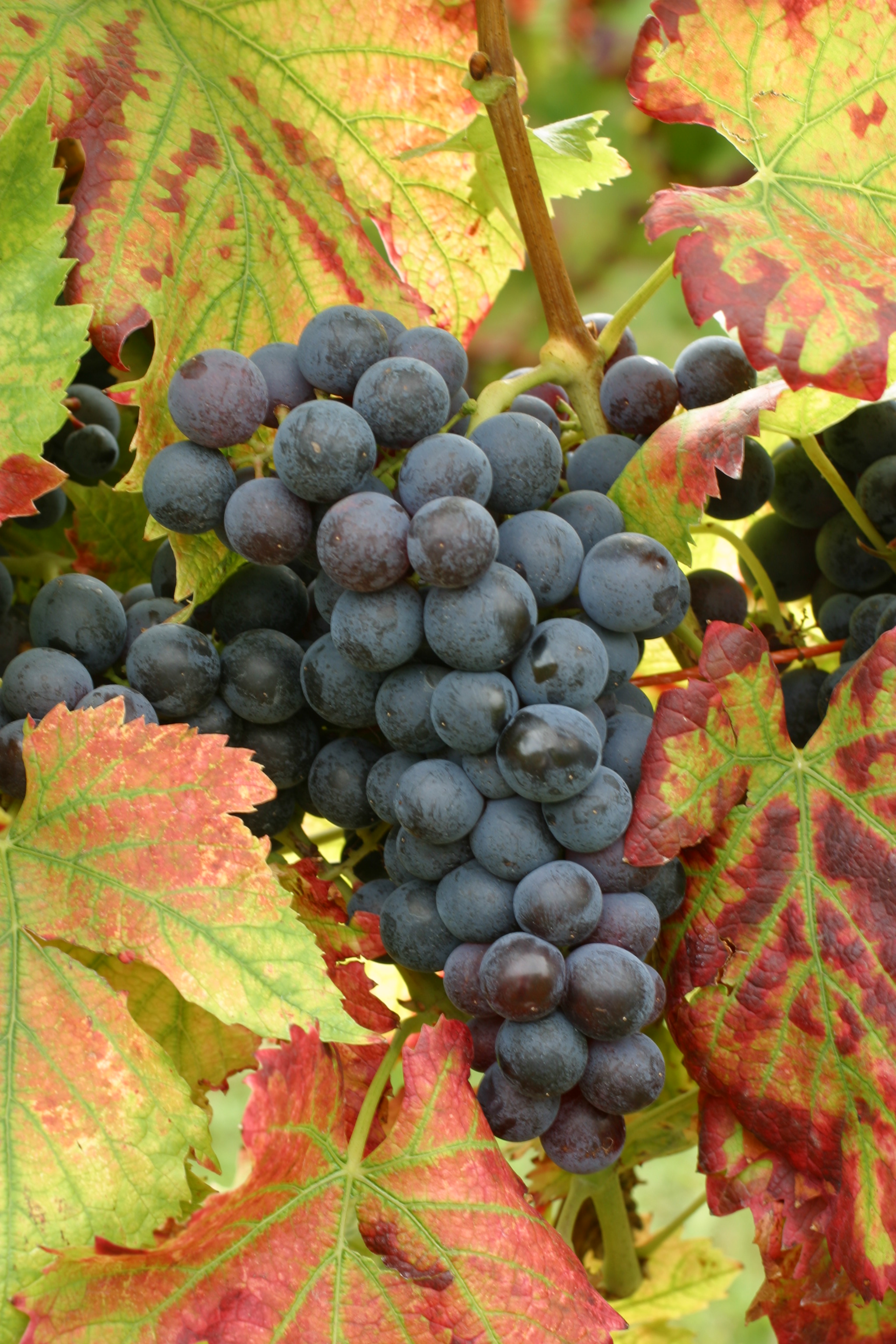
The Aleatico plant is characterized by medium-sized, pentagonal, and trilobed leaves of a dark green color. The bunch is typically small, sparse, and elongated. The berry is spherical, medium-small, with a very pruinose skin of a blue-vermilion color.
From an agronomic perspective, Aleatico shows medium-good vigor and consistent, average productivity. It is an early-ripening variety, with grapes maturing between late August and early September, an advantage for harvest management.
What are the Agronomic Characteristics and Disease Susceptibility of Aleatico?
Aleatico is a grape variety of medium-good vigor, with consistent and average productivity. Its early ripening, between late August and early September, facilitates agronomic planning. The variety is susceptible to downy mildew and powdery mildew but shows good resistance to grey mold. It prefers cool, fertile, and deep soils. Spreading training systems with long pruning are recommended; irrigation can increase production but potentially influence quality.
What Oenological Profile Do Wines Derived from Aleatico Offer?
Wines produced from Aleatico exhibit an intense ruby red color, with purplish hues in the early months that evolve into deeper tones later. The aromatic profile is distinctive and intense, with notes reminiscent of cherries preserved in spirit. On the palate, the wines are soft, sweet, and slightly astringent.
Vinification often includes a period of grape drying (appassimento), which concentrates sugars and aromas, enhancing complexity, especially in passito or dessert wines. Sugar levels in the must typically range between 22° and 24° Brix, with acidity between 5.0 and 10.0 g/l, indicative of the wines' potential sweetness and structure.
What is the Export Potential of Aleatico on International Markets?
Aleatico possesses considerable export potential due to its fascinating history and distinctive organoleptic profile. Its semi-aromatic nature and ability to produce both dry and passito wines make it versatile for diverse market preferences. Italian regions like Tuscany and the Island of Elba can leverage the growing global demand for authentic indigenous wines.
The narrative linked to its historical origins, specific denominations, and legends (such as the one associated with Napoleon on the Island of Elba) adds cultural value. For Italian wineries, Aleatico offers an opportunity for differentiation, producing wines with character and personality. The export strategy should focus on communicating its uniqueness, Italian origin, and territorial connection through trade fairs, targeted tastings, and informative content.
How Does Wines Export Support Wineries with the Aleatico Grape Variety?
Wines Export facilitates the connection between Italian Aleatico producers and foreign buyers interested in this specific grape variety. The presence of wineries cultivating and vinifying Aleatico is a key indicator of the supply potential and the capacity to meet international demand.
Frequently Asked Questions
What are the main Italian regions where Aleatico is cultivated?
Aleatico is present in various Italian regions, with a significant presence in Tuscany, where it contributes to the production of DOC wines. Other mentioned areas include the Island of Elba and the Gradoli area for the DOC Aleatico di Gradoli.
Is Aleatico a grape variety suitable for the production of sweet or dry wines?
Aleatico is versatile and can be used to produce both dry wines and passito or dessert wines, thanks to its ability to concentrate sugars and aromas during vinification, especially through grape drying.
Are there other grape varieties with names similar to Aleatico?
Yes, it is important not to confuse Italian Aleatico with the Greek grape variety Liatiko or with Aliatico, although there may have been historical confusions in the past. Genetic studies confirm that Italian Aleatico is genetically related to the Moscato group.
Aleatico is a grape variety that combines history, territory, and a distinctive sensory profile, representing an excellent opportunity for Italian wineries wishing to expand their offering in international markets.
If your winery is interested in exploring new export opportunities for the Aleatico grape variety or other indigenous Italian grapes, discover how Wines Export can support you in reaching international markets.