Falanghina Worldwide: From Campania Vineyards to International Tables
Falanghina is an indigenous Italian grape variety with a strong historical connection to Campania and a growing export potential. Its unique characteristics, ranging from fresh aromatic profiles to more complex and structured versions, make it an interesting choice for international markets. This article explores its origins, ampelographic and enological peculiarities, and market opportunities for Italian wineries looking to export Falanghina wines.
What are the Historical Origins of Falanghina?
The origins of Falanghina are ancient, with theories linking it to the "Falerno" wine of ancient Rome. The first written mentions date back to the early 19th century, appearing in 1825 and 1909. The name "Falanghina" likely derives from the Latin word "falanga," referring to the stakes used to support the vines, indicating an ancient agricultural practice.
The grape has genetically differentiated into two main types: one linked to the Campi Flegrei area and one originating from the Sannio region. Historical synonyms include Fallanghina, Falernina, and Uva Falerna, but it's essential to distinguish it from the Veronese Falerno.
What are the Ampelographic Characteristics of Falanghina?
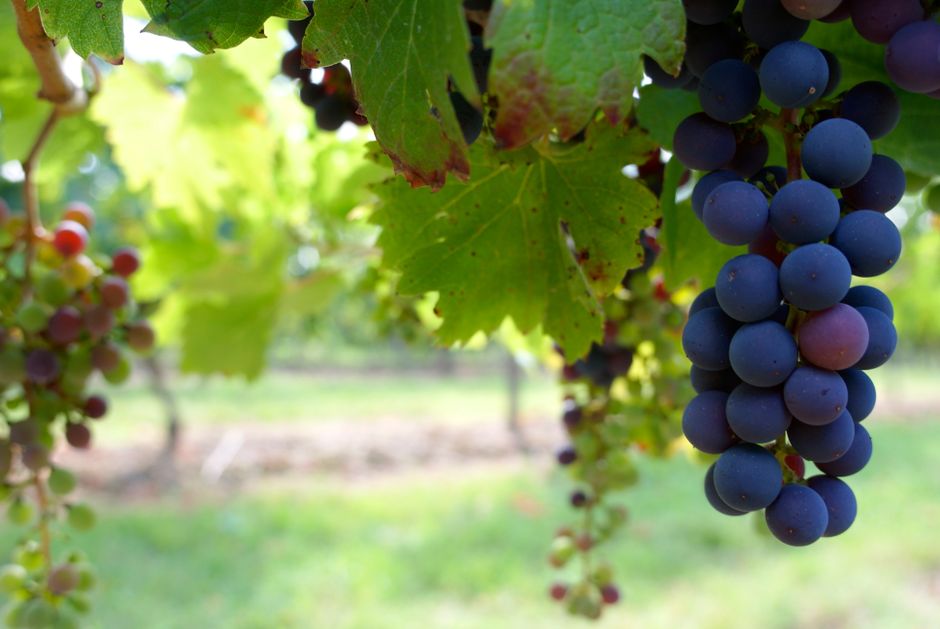
Falanghina is distinguished by its expanded and cotonous bud apex, medium-sized, cuneiform, and trilobate leaves, and cylindrical or conical bunches, often sparse. The berries are medium-sized, spheroidal, with thick and consistent grey-yellowish skin. The pulp has a neutral taste or a slight scent of broom.
The vine exhibits a semi-erect growth habit and good vigor. Grape ripening is medium-late.
What are the Environmental Requirements and Agronomic Suitability of Falanghina?
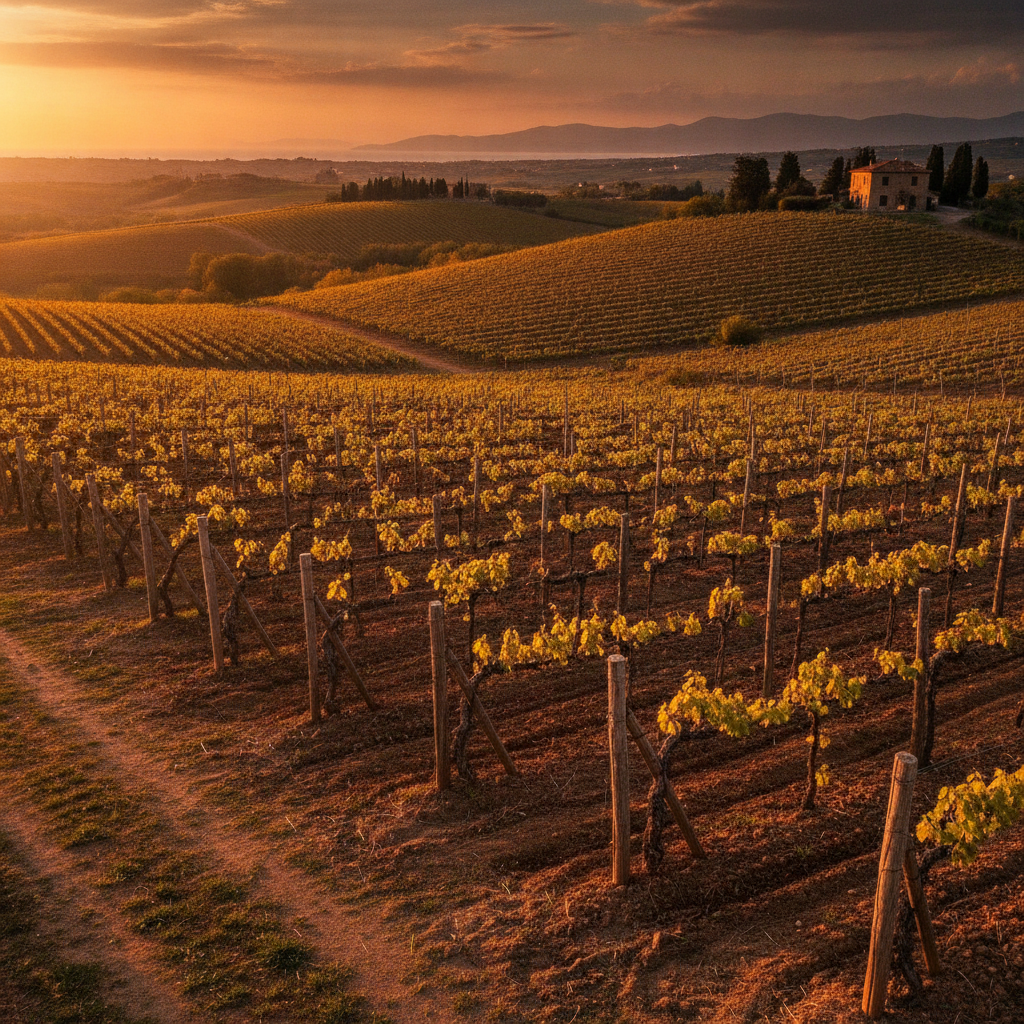
The Falanghina vine adapts to all types of soil, preferring cool, fertile, and deep ones. It is traditionally trained as a bush vine (alberello) or with medium-expansion systems, requiring long pruning. Production is moderately consistent, and irrigation can increase yield at the expense of quality.
The average bunch weight ranges between 150 and 250 grams.
How Does Falanghina Perform Against Diseases and Pests?
Falanghina shows good tolerance to downy mildew (peronospora) and powdery mildew (oidio), but it is susceptible to grey rot (muffa grigia). Some sources indicate susceptibility to downy mildew, powdery mildew, and phylloxera. Its ability to survive phylloxera is notable, allowing for ungrafted cultivation in some areas.
What are the Chemical Characteristics of Falanghina Must?
Falanghina must typically presents a sugar content between 19° and 22° Brix (17.0-20.0% in other analyses) and an acidity between 4.0 and 8.0 g/l (7.0-10.0‰ in other measurements). The must's pH ranges between 3.0 and 3.4.
What are the Sensory Characteristics of Falanghina Wines?
Single-varietal Falanghina wines present a golden-yellow color, with pleasant aromas and a dry, velvety, and full-bodied taste. Early harvests produce fresher and fruitier wines, with notes of banana, apple, pineapple, apricot, and peach, which evolve with aging. Some analyses describe a sweetness, viscosity, and a distinctive banana note.
How is Falanghina Used in Enology?
Falanghina grapes are exclusively destined for winemaking. In addition to still single-varietal wines, they are used for blended wines and for the production of Vermouth. The grape is part of several Campanian DOCs such as Campi Flegrei and Capri, and the DOCG Falanghina del Sannio.
Different types, like Falanghina del Sannio, offer fine and floral wines. Vendemmia Tardiva (Late Harvest) produces more structured wines, while the Passito version is off-dry or sweet. Sparkling versions are also possible.
What is the Export Potential of Falanghina?
Falanghina is gaining popularity in international markets due to its quality, distinctive aromatic profile, and aging potential. Its history and connection to Campania attract consumers seeking authenticity.
The various expressions of the grape variety cater to a wide range of preferences and pairings, making it suitable for diverse markets. The growing attention towards indigenous Italian grape varieties represents a significant opportunity. Producers' commitment to improving quality and introducing superior versions strengthens its position abroad.
Frequently Asked Questions
What are the main destination markets for Falanghina?
The text does not specify precise destination markets but indicates growing appreciation in international markets and promising export growth potential.
Is Falanghina a grape variety suitable for aging?
Yes, Falanghina has good aging potential, with wines that can develop more complex aromatic profiles over time.
What are the characteristics that make Falanghina attractive to foreign buyers?
Its ancient history, connection to Campanian tradition, enological versatility allowing for diverse expressions (from fresh to structured), and its distinctive aromatic profile make it attractive to international buyers.