Molise Wines Abroad: Opportunities for Importers and International Markets
Molise, an Italian region with growing enological potential, represents a strategically important territory for foreign buyers and importers seeking authentic, high-quality wines. Despite its small size, the region boasts a winemaking tradition that is being rejuvenated, focusing on innovation and the valorization of its territorial peculiarities. This guide offers a comprehensive overview of Molise wine, analyzing its distinctive characteristics, production regulations, market opportunities, and operational specifics for those wishing to import these excellences into their own country. In-depth information: Federdoc — National Confederation of Italian Wine Protection Consortia.
What is the geographical and climatic context that influences Molise wine?
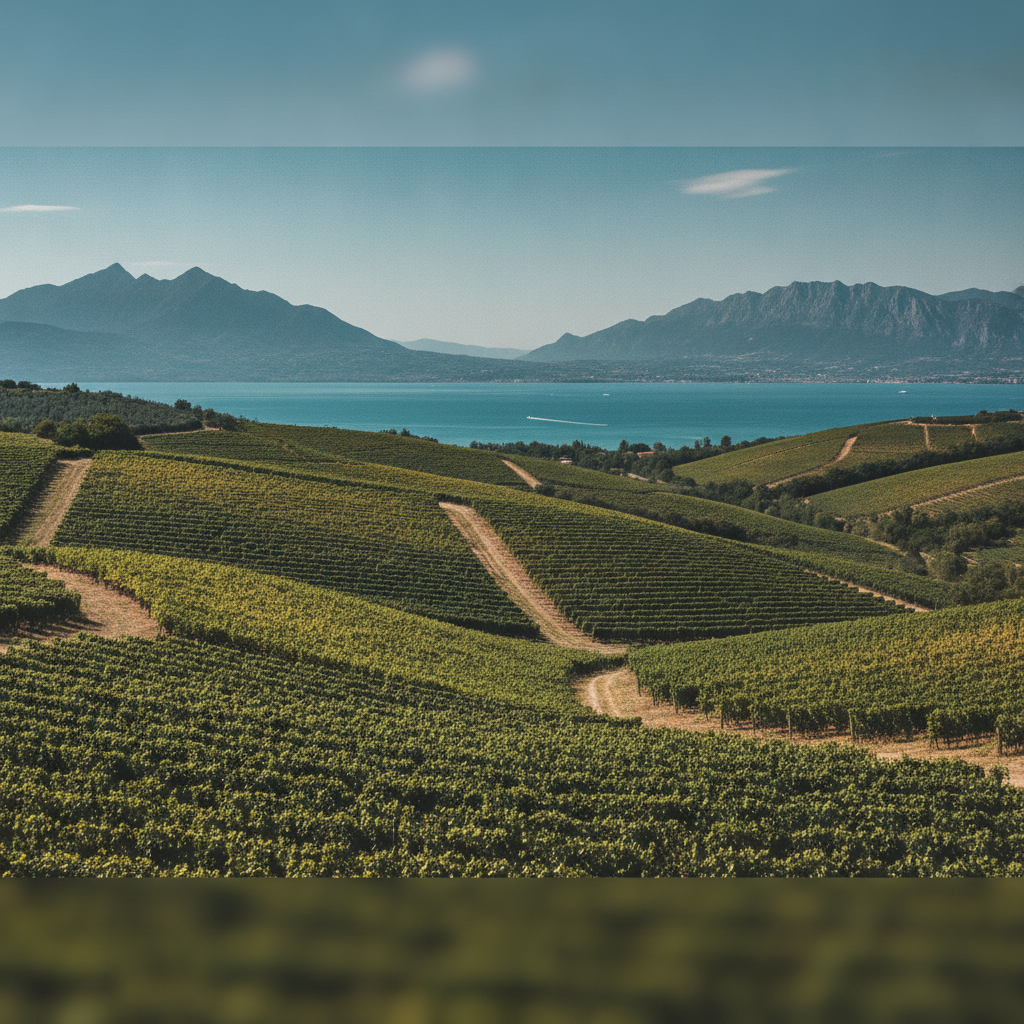
Molise, situated between the Apennines and the Adriatic Sea, benefits from a varied climate that favors viticulture. Sea breezes moderate coastal temperatures, while inland areas experience significant thermal excursions. This climatic diversity, combined with clayey and calcareous soils, creates an ideal terroir for native and international grape varieties, with a strong vocation for quality.
What are the native and international grape varieties that characterize Molise wine?
Molise's wine heritage is based on native grape varieties such as Tintilia, which yields structured and complex red wines, and Trebbiano and Bombino Bianco for fresh white wines. The region also successfully integrates international varieties like Montepulciano, Sangiovese, Aglianico, Chardonnay, and Sauvignon Blanc, expanding its range for the global market.
What are the production regulations that guarantee quality and identity to Molise wines?
Molise's wine production is governed by regulations that ensure its authenticity and quality. Molise DOC, established in 1998, encompasses red, white, and rosé wines from native and international grape varieties, expressing the territory with tradition and innovation. The Terre di Molise IGT offers greater production flexibility while maintaining a strong connection to the land.
What are foreign buyers looking for in Molise wine?
Foreign buyers seek uniqueness, authenticity, and good value for money. Molise wine responds with its strong identity linked to native grape varieties like Tintilia, increasing quality thanks to investments in modern technologies, growth potential as an emerging market, and the gastronomic versatility of its wines, suitable for various international cuisines.
What is the role of the Wines Export consortium of wineries in Molise?
Wines Export has developed a network of partner wineries in Molise, selected for their quality, innovation, and ability to serve the international market. Our regional production pool includes excellent wineries, with a focus on Tintilia-based wines and local appellations. Collaborating with Wines Export offers privileged access to these producers, with complete support from negotiation to logistics.
What are the operational requirements for importing Molise wine into key markets?
Exporting requires understanding the customs, tax, and regulatory requirements specific to each country.
-
United States: Compliance with TTB (Alcohol and Tobacco Tax and Trade Bureau) requirements for labeling and registration is crucial. The preparation of informative material in English (technical sheets, presentations, FCA/FOB price lists) is essential. Verify label compliance with TTB regulations before promising immediate availability, clearly defining MOQs, formats, and production times. Presence in other export markets or relevant awards can be an added value.
-
Brazil: The import process is more complex, requiring product and production facility registration with MAPA (Ministério da Agricultura, Pecuária e Abastecimento). This process, although free of charge, can take several months and necessitates a legal representative in the country. The document flow follows the Portal Único de Comércio Exterior, with the registration of the Licença de Importação (LI) or the request for administrative treatment via LPCO. Upon arrival of the goods, physical inspection by Vigiagro with sample collection for laboratory analysis is required, before MAPA issues the Certificado de Inspeção de Importação (CII).
-
Estonia: It is important to request written confirmation from the importer regarding language requirements, any health warnings, and extended nutritional information. Do not assume equivalences with other EU markets without direct confirmation from the importer.
-
Norway: It is necessary to verify that the importer is a registered "wholesaler-importer" with the Norwegian Directorate of Customs and Duties and holds a framework agreement with Vinmonopolet (if operating through the monopoly channel) or otherwise holds a license for the wholesale trade of alcoholic beverages. Issuing invoices with a declaration of preferential origin (if under €6,000) or requesting an EUR.1 certificate from the Chamber of Commerce are key steps. It is essential to indicate the customs code on the invoice (commodity code 22.04 for wines) and confirm in writing with the importer who submits the electronic customs declaration and who pays excise duties and VAT.
Wines Export offers complete support in these phases, leveraging a network of experts to ensure regulatory compliance and optimize the import process.
Frequently Asked Questions
What are the main native grape varieties of Molise for export?
The premier red grape variety from Molise is Tintilia, which produces structured and complex wines. For white wines, Trebbiano and Bombino Bianco are cultivated, yielding fresh and aromatic wines.
What are the most important appellations for Molise wine?
The main appellations are Molise DOC, which includes a wide range of wines, and IGTs such as Terre di Molise IGT, offering greater production flexibility.
What are the regulatory challenges for importing wine into Brazil?
Importing into Brazil requires product and production facility registration with MAPA, a process that can take several months and necessitates a legal representative in the country.
Molise wine, with Tintilia at its forefront, represents a significant market opportunity for foreign importers. The combination of territorial authenticity, growing quality, and an identity yet to be fully discovered makes it an attractive product for consumers and operators seeking novelty and value. Molise wineries, supported by Wines Export, are ready to meet international demand, offering wines that tell a story of passion, tradition, and innovation.