Lombardy Wine Abroad: Opportunities for Importers and Distributors
Lombardy, the vibrant heart of the Italian economy, offers a rich and diverse wine landscape, ideal for foreign buyers and importers seeking quality, authenticity, and market potential. From alpine zones to plains, the region presents a vast array of wine styles and types, supported by a wine industry with a deep-rooted tradition. This article guides international operators through the main appellations, market expectations, and the complexities of the export process, focusing on the opportunities offered by selected wineries. In-depth look: Federdoc — National Confederation of Italian Wine Denomination Protection Consortia.
What are the main wine-producing areas in Lombardy?
Lombardy boasts several distinctive wine-growing zones, each with unique characteristics. Oltrepò Pavese is known for its size and versatility, producing still and sparkling wines. Valtellina, with its alpine terraces, is famed for structured reds made from Nebbiolo. The Garda Classico area offers fresh white wines and medium-bodied reds, influenced by the lake's microclimate.
Oltrepò Pavese DOC: Versatility and Value for Money
Oltrepò Pavese, located in southern Lombardy, is one of Italy's largest wine regions. It is renowned for the production of still wines, sparkling wines (especially from Pinot Noir), and for its ability to offer excellent value for money. Its rolling hills are ideal for grape varietals such as Pinot Noir, Barbera, and Moscato, making it an area of great interest for importers seeking wines with growth potential.
Valtellina Superiore DOCG and Sforzato di Valtellina DOCG: Alpine Elegance
In the province of Sondrio, Valtellina is famous for its complex and structured red wines, produced mainly from Nebbiolo (Chiavennasca) grapes. The steep terraces and continental climate create unique conditions for maturation, yielding wines of great character and aging potential. Sforzato, a dried-grape wine, represents the pinnacle of this production.
Garda Classico DOC: Freshness and Lake Influence
The Lombardy shore of Lake Garda produces fresh and aromatic white wines, such as Lugana DOC, and medium-bodied reds. The proximity to the lake confers a mild microclimate that favors viticulture, with grape varietals like Groppello and Marzemino finding an ideal habitat here.
Other Lombardy Wine Areas: Niches and Authenticity
Beyond the more well-known appellations, Lombardy hosts areas like Valcamonica and Val di Sole, which offer smaller productions but are of great niche value. These wines reflect the mountain environment and often highlight indigenous or resistant grape varietals, representing an opportunity for importers seeking unique and authentic products.
What do foreign importers look for in Lombardy wine?
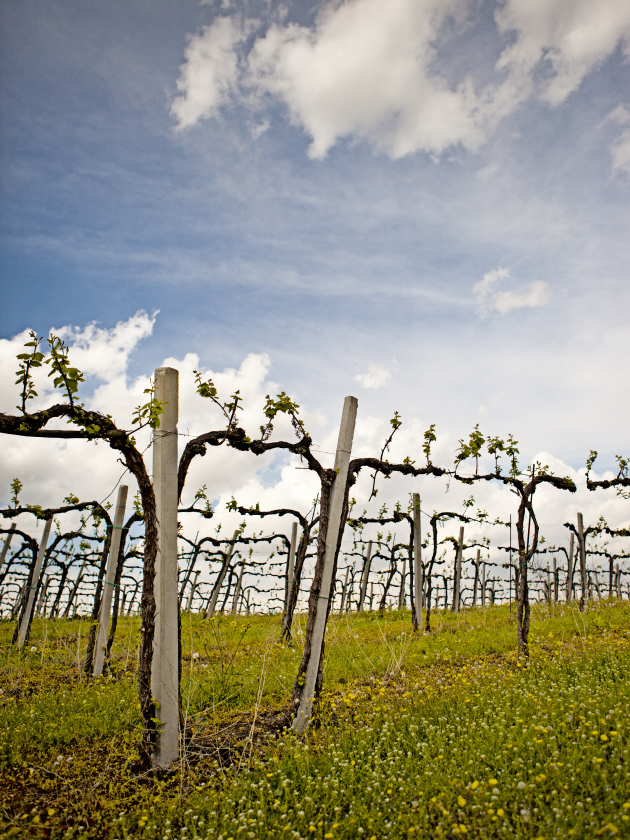
International importers seek a blend of uniqueness, consistent quality, and effective market positioning in Lombardy wine. Authenticity and the ability to tell the story of the territory are highly valued, as is quality certified by appellations. Wines with good value for money and a strong appeal in the premium segment are particularly sought after, along with supplier reliability in managing exports.
Authenticity and Terroir Storytelling
Foreign buyers value wines that clearly express their connection to their region of origin. Lombardy's appellations, with their specific soil and climate conditions and grape varietals, offer this authenticity, allowing wines to tell a unique and distinctive story.
Certified Quality and Recognized Appellations
Appellations like Franciacorta DOCG and Valtellina Superiore DOCG provide foreign importers with guarantees of quality and origin. These certifications are fundamental for building trust in international markets and for ensuring product consistency.
Market Potential and Offer Diversification
Wines with good value for money, such as those from Oltrepò Pavese, or with strong appeal in the premium segment, like Franciacorta, are in high demand. The diversity of Lombardy's offering allows it to cater to different market segments and meet multiple international consumer needs.
Supplier Reliability and Professionalism
A winery's ability to manage exports professionally is a crucial factor for importers. This includes regulatory compliance, efficient logistics, and clear, timely communication – essential elements for building lasting partnerships.
How does the wine export process from Lombardy work?
Exporting wine from Lombardy follows a consolidated process that begins with customer qualification and negotiation of commercial terms. Shipment preparation includes labeling compliance and gathering necessary documentation. Logistics, shipping, and customs clearance in the destination country are critical stages to ensure the wine arrives intact and compliant with local regulations.
Negotiation and Contract Definition
The export process begins with qualifying a potential client, verifying their financial solvency and import licenses. This is followed by sending a proforma invoice, detailing products, quantities, prices, and payment terms (Incoterms). Negotiation leads to the definition of a contract that formalizes the agreement between the parties.
Shipment Preparation and Documentation
Shipment preparation requires label compliance with the specific requirements of the destination country. It is essential to prepare the necessary documentation, which includes the commercial invoice, packing list, certificate of origin, wine analysis certificate, and transport documents (bill of lading or air waybill).
Logistics, Shipping, and Customs Clearance
Choosing the most suitable mode of transport (FCL/LCL container, air freight) is crucial, paying attention to maintaining the cold chain. After shipment, sending the documents and tracking number facilitates customs clearance in the destination country, where the importer will handle local duties, VAT, and excise taxes.
Our Role in Supporting Lombardy Wine Exports
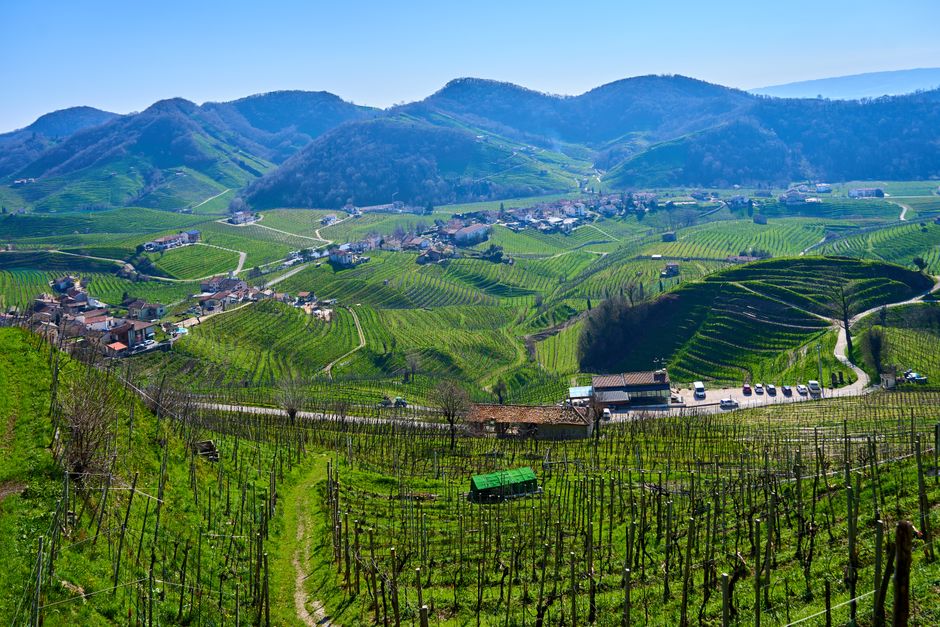
Wines Export selects Lombardy wineries with strong export potential and a commitment to excellence. Our network includes producers who represent the region's diversity and quality, from the historic sparkling wine houses of Franciacorta to the niche producers of Valtellina. We support these wineries in navigating the complexities of export, ensuring their wines reach international markets in compliance with regulations and maintaining their qualitative integrity.
Frequently Asked Questions
What are the most sought-after Lombardy wines in international markets?
The most requested Lombardy wines tend to include the sparkling wines of Franciacorta DOCG, the structured reds of Valtellina Superiore DOCG and Sforzato di Valtellina DOCG, and the versatile wines of Oltrepò Pavese DOC, appreciated for their value for money.
What are the main challenges in exporting wine from Lombardy?
The main challenges include compliance with the specific regulations of each destination market, managing logistics to ensure product quality during transport, and negotiating commercial terms with international buyers.
How can I ensure the quality of the Lombardy wines I purchase for export?
Quality can be ensured by choosing wines from recognized appellations such as DOCG and DOC, which have rigorous production regulations. Furthermore, selecting reliable partner wineries with export experience is crucial.
Lombardy offers a wine heritage of great value for foreign importers, with appellations ranging from elegant sparkling wines to robust alpine reds. Our expertise in facilitating exports ensures that buyers and importers can access these excellences efficiently and securely, building successful partnerships.
Are you a foreign buyer or importer interested in discovering the potential of Lombardy wine and establishing strategic partnerships with selected wineries? Request a personalized demo