Verdeca: Cultivation, Characteristics, and Opportunities for the International Market
Verdeca is an Italian grape variety with a distinctive profile that is gaining attention in international markets. If your winery is seeking an opportunity to expand its offering with a quality indigenous grape, understanding Verdeca's characteristics, history, and export potential is crucial. This article explores the details that make this grape variety a promising choice for wineries aiming to conquer new consumers abroad, offering a unique alternative to more common varietals. Read more: MASAF — National Register of Grapevine Varieties.
Where Does the Verdeca Grape Variety Originate?
Verdeca's origins are ancient and connected to various geographical areas. Historical and ampelographic evidence suggests its long presence in Italy, with possible links to grapevines widespread in Crimea and southern Ukraine since the 14th-15th century, where it was known by synonyms such as Dolgi or Belji dolgi. Other research indicates it originated in Armenia or Central Asia, highlighting a history of diffusion and interconnection between different regions over the centuries.
What are the Ampelographic Characteristics of Verdeca?
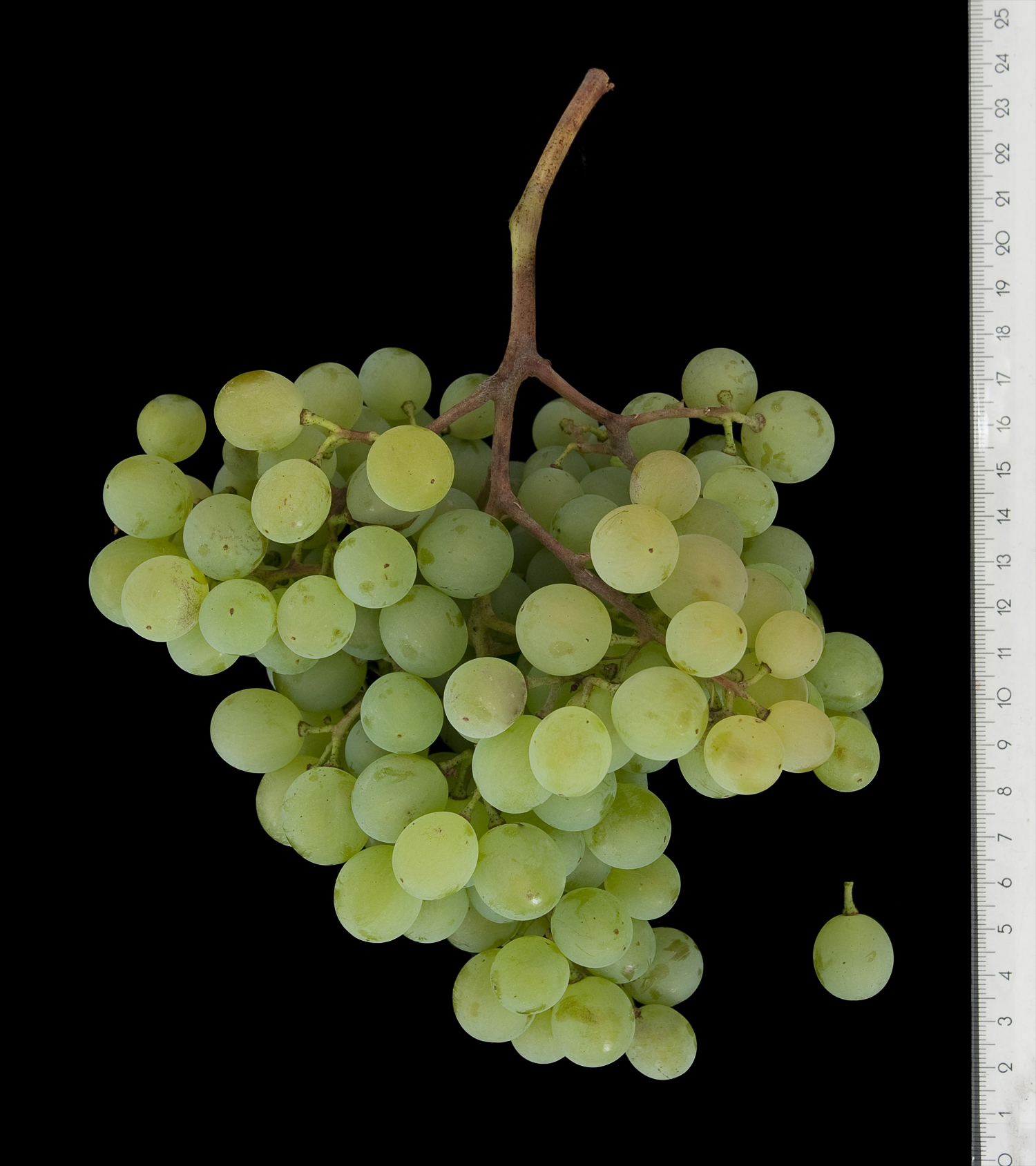
Verdeca presents specific traits that define its identity. The shoot has a yellow-green or yellow-bronze tip, with young leaves that may show pink margins or red streaks. The adult leaf is medium-sized, tending to be orbicular or slightly reniform, with three or five lobes and variable petiolar sinuses. The mature bunch is medium-sized, conical, and sometimes winged, while the berry is medium-sized, with a thin but resistant skin, and a pale yellow or greenish color.
What are the Environmental and Cultivation Needs of Verdeca?
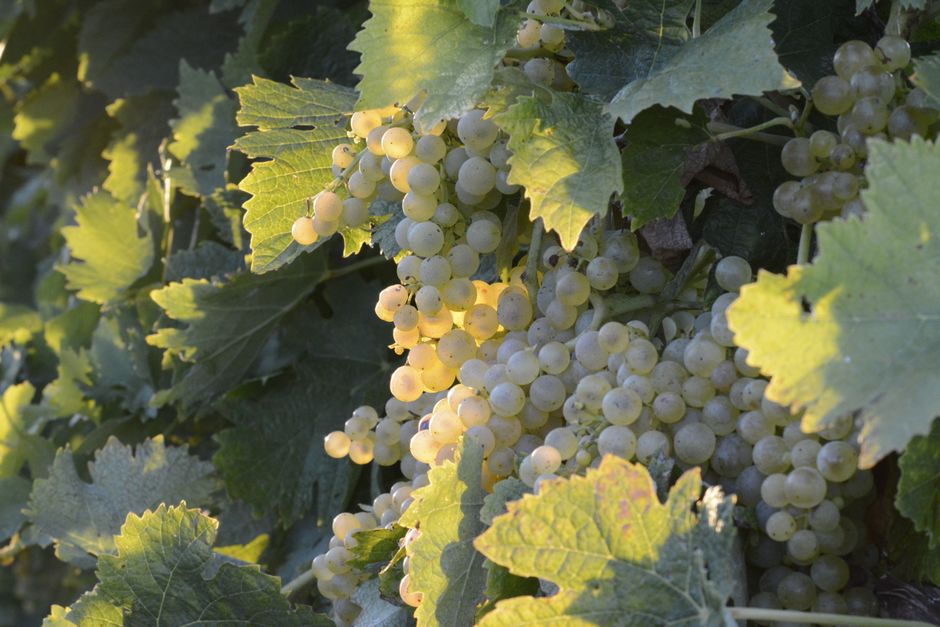
For optimal cultivation, Verdeca prefers cool, fertile, and deep soils, avoiding excessively humid ones. It adapts well to warm climates with high solar exposure and requires pollinator varieties due to its functionally female flower. Long pruning and expanded training systems are suitable, and the vine shows good resistance to winter frosts.
How Does Verdeca Behave Towards Diseases and Adversities?
Verdeca exhibits medium tolerance to fungal diseases, although it can be susceptible to downy mildew and powdery mildew, especially during veraison. It is sensitive to attacks by animal pests. In colder climates, it may occasionally suffer damage from fire blight and coulure (abnormal flower or fruit drop).
What are the Characteristics of the Must and Wine Produced from Verdeca?
Verdeca must presents an acidity between 7.0 and 10.0%o and a sugar content typically between 16.0% and 23%. The resulting wine is generally pale yellow with greenish reflections. On the palate, it is described as full-bodied, dry, harmonious, and slightly acidic, with a subtly varietal aroma. The average alcohol content ranges between 13.5% and 15% vol., with a dry extract between 28 and 31 g/l.
How is Verdeca Used and What is Its Export Potential?
Verdeca is a versatile grape variety, often used in blends for dessert or fortified wines, but also for table wines, semi-sparkling, and sparkling wines. Its ability to produce wines with diverse characteristics makes it attractive for export. The growing interest in quality indigenous grape varieties positions Verdeca as an ideal candidate for conquering new markets, offering a unique narrative and a distinctive organoleptic profile that can attract foreign importers and distributors.
Frequently Asked Questions About Verdeca Export
What are the Most Promising Foreign Markets for Verdeca?
The original text does not specify precise foreign markets but indicates a growing interest in high-quality indigenous grape varieties, suggesting potential in markets that value diversity and uniqueness.
Is Verdeca Suitable for Organic or Biodynamic Wine Production?
The original text does not provide specific information regarding its suitability for organic or biodynamic practices.
What Characteristics Make Verdeca Interesting for International B2B Buyers?
Its versatility in producing different wine types, combined with its history and unique organoleptic characteristics, make it a distinctive offering for international buyers seeking novelty and quality.
Italian wineries looking to expand their presence in international markets can find an excellent opportunity in Verdeca. Its versatility, coupled with a distinctive organoleptic profile and a fascinating history, positions it as a grape variety with significant growth potential.