Vespaiolo: The Italian Native Grape Variety to Conquer the World
The world of wine is constantly expanding, and the rediscovery of native grape varieties represents a strategic opportunity for wineries targeting international markets. Vespaiolo, with its history, distinctiveness, and winemaking versatility, emerges as a valuable option for winning over new buyers. This article explores its origins, characteristics, and export potential, offering a guide to valorizing this unique grape variety. Learn more: MASAF — National Register of Vine Varieties.
Where Does the Vespaiolo Grape Variety Originate From?
The origins of Vespaiolo are ancient and linked to territories with a long winemaking tradition. Although it's not possible to univocally identify a single region of origin, the grape variety is historically located in areas with deep terroir roots, suggesting an early spread.
Geographical hypotheses range from Piedmont, with "ancient" cultivations in the districts of Casale, Asti, and Alessandria, to regions in Southern Russia and Ukraine, such as Crimea and the areas of Rostov and Kamenski. These indications converge on the idea of a grape variety with an ancient history and a diffusion that has crossed cultures and borders.
What Are the Ampelographic Characteristics of Vespaiolo?
Vespaiolo presents distinctive traits that define its identity, from the shoot tip to the berry characteristics.
Shoot and Leaf
The shoot tip is downy, with colors ranging from yellowish-bronze to greenish-white. The first leaves are tomentose, with colors varying from yellow to green with yellow-reddish hues. Adult leaves are medium to large, orbicular or pentagonal, with five lobes and a downy, velvety, or hairy lower surface.
Bunch and Berry
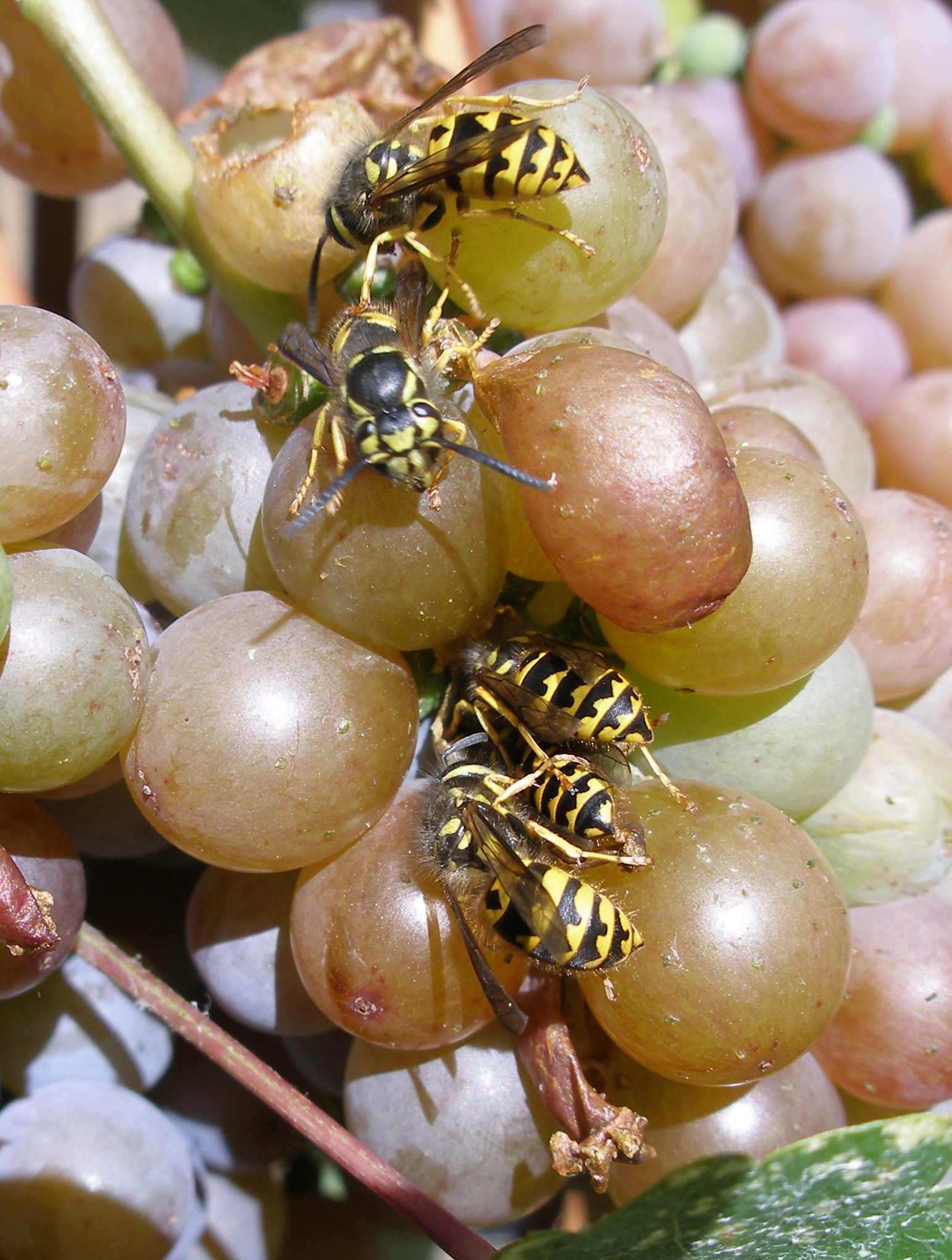
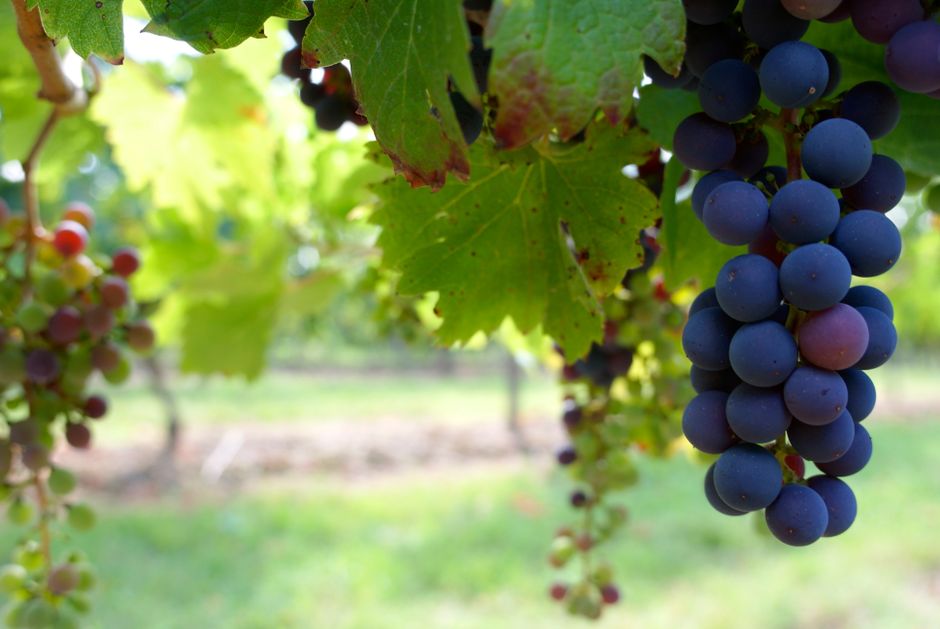
The Vespaiolo bunch is typically medium-sized, with a shape ranging from almost cylindrical to conical, often winged, and of medium to high compactness. The berries are sub-rounded or spherical, ranging in size from small to medium. The skin is described as dark and shiny blue, bluish-black, reddish-black, or irregularly colored amber yellow. The skin can be thin, thick, and resistant.
What Are the Environmental and Cultivation Requirements for Vespaiolo?
Vespaiolo demonstrates a certain adaptability but has specific needs to best express its viticultural potential.
Soil and Climate
The grape variety adapts to different soil types, preferring cool, fertile, and deep ones. It favors well-exposed or hilly and sunny terrains, yielding good results in deep and fertile soils. Preferences are also noted for dry clay or alluvial soils, provided there is sufficient summer water availability.
Habit and Pruning
The vegetation habit is semi-erect or drooping, with vigor that can be high or medium-low. Expanded training systems with long pruning are suggested, or cordon or pergola training with pruning to 3-5 buds. Short or sparsely leaved pruning is favored.
Irrigation and Yield
Irrigation can increase yield, but at the expense of quality. The yield per vine varies, with estimates ranging from 1.5-2.5 kg to 5.5 kg, considering an average bunch weight between 8 g and 300 g. Bud fertility is generally between 1 and 2.
How Does Vespaiolo Perform Against Diseases and Adversities?
Vespaiolo shows variable sensitivity to different diseases and adversities, requiring specific vineyard attention.
Disease Susceptibility
It is susceptible to downy mildew, powdery mildew, and phylloxera. It shows moderate resistance to grey rot and acid rot, while being moderately resistant to botrytis. It is also sensitive to late frosts and millerandage.
What Are the Characteristics of the Must and Wine Obtained from Vespaiolo?
The specificities of the grape variety are reflected in the characteristics of the must and wine, determining their organoleptic profile.
Must
The acidity of the must generally ranges between 7.0-10.0%o, while sugar levels vary between 17.0-20.0% and 20°-21° Brix. Other data report sugar values of 23% and an acidity of 9.5 g/l with a pH of 3.16.
Wine
The wine produced from Vespaiolo is described as medium-bodied, full-bodied, harmonious, slightly acidic, with a fresh and neutral flavor. Other interpretations indicate a straw-yellow wine, harmonious, velvety, and sapid. Depending on the harvest time, it can be used to produce different types of wines: table wine, dessert wine, sparkling wine, or a fortified wine if harvested late. In varietal form or blended, it can impart aromatic complexity thanks to spicy notes.
How Can Vespaiolo Be Used and What Is Its Market Potential?
The versatility of Vespaiolo opens up various usage possibilities and interesting export potential.
Traditional and Innovative Use
Traditionally, Vespaiolo has been used as a common table wine, a base for sparkling wines, and, rarely, for distillation. In some areas, it is considered a late-season table grape. Its versatility allows for the production of table wines, dessert wines, or sparkling wines. It can be used in varietal form or in blends, for example with Refosco dal peduncolo rosso, to add aromatic complexity.
Export Potential for Wineries
The export potential of Vespaiolo lies in its uniqueness and the growing global demand for native and quality wines. The wine's characteristics – freshness, harmony, aromatic potential – make it interesting for markets seeking typicality and diversification. Wineries can position it as a distinctive offering, capable of telling a story linked to territory and tradition. Its ability to produce wines with different profiles further broadens the possibilities for market penetration in countries with diverse tastes.
To fully leverage this potential, it is crucial to valorize its history and origin, emphasize its unique characteristics, adapt the offering to target markets, and ensure quality and consistency in production.
Frequently Asked Questions About Exporting Vespaiolo
What are the main characteristics that make Vespaiolo interesting for export?
Vespaiolo offers uniqueness, typicality, and a story linked to its territory, elements highly appreciated in international markets seeking diversification and authenticity.
In what types of wine can Vespaiolo be transformed?
Vespaiolo can be used to produce table wines, dessert wines, sparkling wines, or fortified wines, depending on the harvest time and winemaking techniques.
What are the main challenges in exporting native grape varieties like Vespaiolo?
Challenges include the need to educate foreign markets about the unique value and characteristics of the grape variety, as well as ensuring qualitative consistency and an effective marketing strategy.
The Vespaiolo grape variety, with its rich history and promising enological characteristics, represents an excellent opportunity for Italian wineries looking to expand their presence in global markets, offering an authentic and valuable product.