Albarossa: Cultivation, Characteristics, and Market of Italian Wine
Albarossa is an Italian red grape variety, born in 1938 from the cross between Chatus and Barbera Nera. Despite being a relatively young and less widespread variety, it possesses unique characteristics that make it interesting for the export market. This article explores its origins, ampelographic and enological peculiarities, and assesses its potential in the international wine scene, offering a guide for Italian wineries looking to export wines from this grape. Further reading: MASAF — National Register of Vine Varieties.
How Was the Albarossa Grape Variety Created?
Albarossa is the result of a genetic improvement program aimed at obtaining new varieties with specific agronomic and enological qualities. The cross between Chatus and Barbera Nera took place in 1938 at the Experimental Institute for Viticulture in Conegliano, in the Veneto region.
Chatus, originating from Piedmont, is known for its resistance and ability to produce structured wines. Barbera Nera, on the other hand, contributes aromatic notes and a good level of acidity. The choice of Conegliano as its birthplace is not accidental, as it is one of the historic centers of Italian viticultural research.
What Are the Ampelographic Characteristics of Albarossa?
Albarossa exhibits distinctive traits that define its viticultural identity. The shoot has an open, slightly downy tip with a greenish hue. The leaves are medium-sized, pentagonal, with few lobes, the upper surface is glabrous, and the lower surface is glabrous or slightly downy.
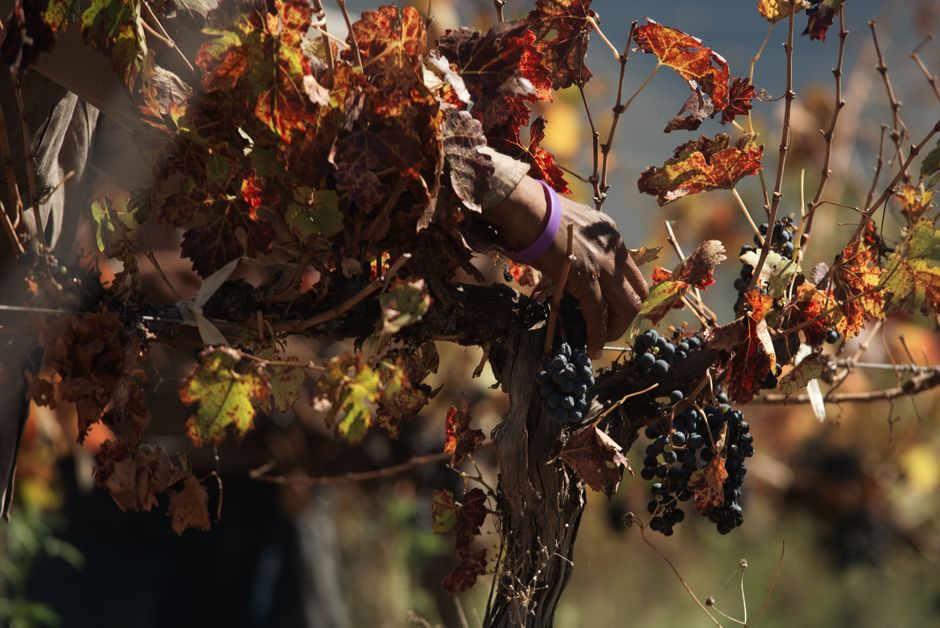
The bunch is conical-pyramidal, often with a shoulder, medium-sized, and compact. The berries are oval, small, with an intense blue-violet color, and have a thick, pruinose skin. The ripening period is late, with harvest approximately 30 days after Gutedel (Chasselas).
How Does the Albarossa Vine Perform in Terms of Vigor and Yield?
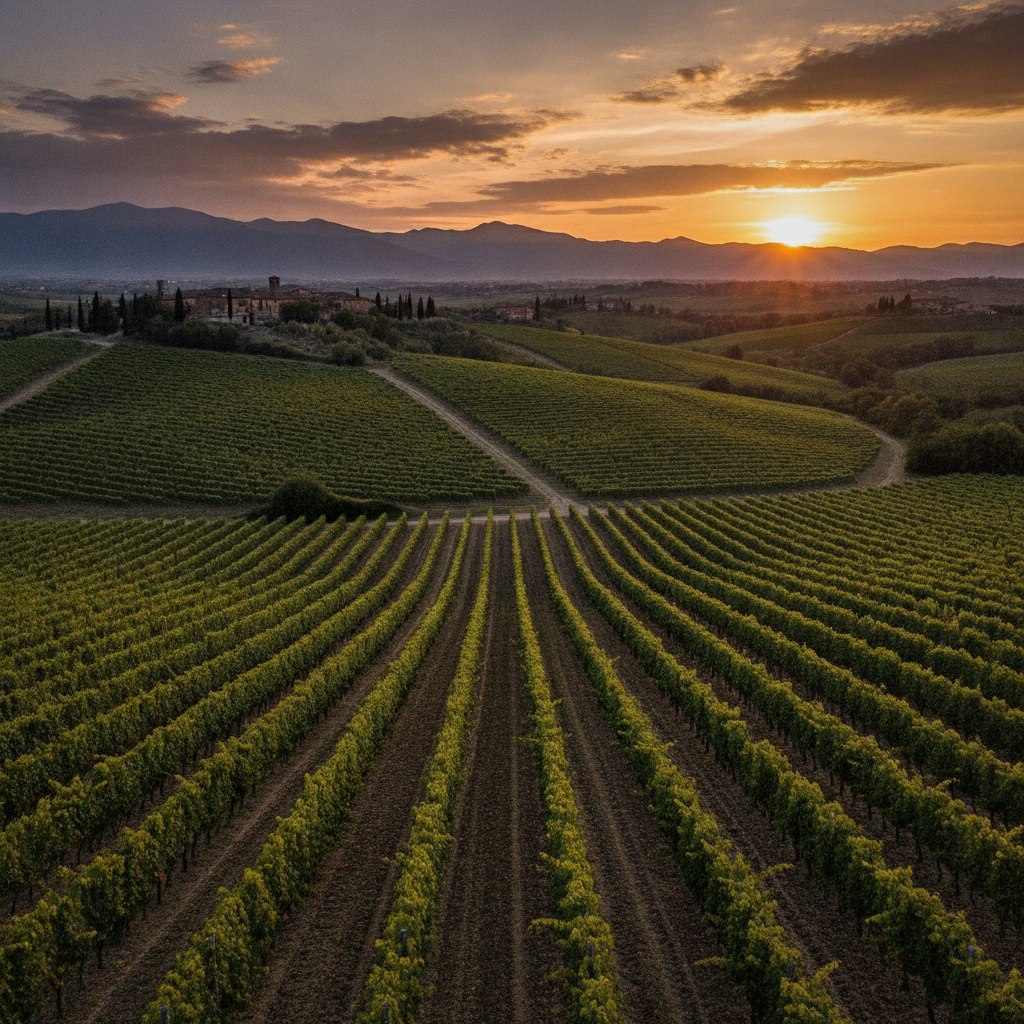
The Albarossa variety is described as vigorous and capable of providing consistently high yields. This aspect is positive for commercial viticulture but requires careful management to avoid overproduction, which could compromise quality.
A study on vine physiology highlighted that Albarossa, while showing less canopy expansion than Cabernet Sauvignon, maintained higher stem water potentials. This suggests good water use efficiency and some resilience to water stress, contributing to its adaptability in various environmental conditions.
What Are the Enological Characteristics and Potential of Albarossa Wine?
Albarossa shows interesting potential for the production of quality red wines. Although specific data on pure Albarossa must is scarce, its origins suggest a potential for wines with good acidity and a respectable sugar level.
Albarossa, even if often used in blends, has the potential to yield good quality wines even when produced as a single varietal. Wines derived from this grape tend to have an intense color, good structure, and an aromatic profile that can vary depending on winemaking techniques and aging. The ability to produce "good quality" wines opens the door to various enological interpretations, from stainless steel vinification to preserve freshness, to barrel aging to develop complexity and longevity.
What Is the Export Potential of Albarossa in International Markets?
The international wine market is constantly seeking indigenous Italian grape varieties that offer uniqueness and a story to tell. Albarossa, with its relatively recent origin and specific cross, possesses these elements, offering an authentic Italian alternative in a market saturated with wines from international grape varieties.
Its enological versatility allows it to adapt to different wine styles, making it suitable for various markets. Markets such as the United States, Australia, New Zealand, and Nordic countries show growing interest in niche wines and lesser-known grape varieties, where Albarossa could find a place. Its story of deliberate creation provides a different narrative point compared to grape varieties with millennia-old origins.
What Are the Challenges for Albarossa Exports?
The main challenge for Albarossa in exports is its limited diffusion and awareness. Producers will need to invest in market education, targeted tastings, and effective communication to introduce this grape variety to foreign buyers and end consumers. The availability of scientific data and studies on its agronomic and enological performance can support credibility and interest in the grape variety.
Frequently Asked Questions
What are the grape varieties from which Albarossa derives?
Albarossa was born from the cross between Chatus and Barbera Nera.
Where was the Albarossa grape variety created?
Albarossa was created in 1938 at the Experimental Institute for Viticulture in Conegliano, in the Veneto region.
Is Albarossa suitable for hot or cold climates?
Its late ripening period suggests the need for climates with long, warm seasons to achieve full phenolic ripeness.
Is Albarossa drought-resistant?
One study indicates that Albarossa maintains higher stem water potentials compared to other grape varieties, suggesting good water use efficiency and some resilience to water stress.
Albarossa is an Italian grape variety with interesting export potential, thanks to its unique history, characteristics, and enological versatility. For Italian wineries looking to diversify their offerings and conquer new markets, a targeted marketing strategy that highlights its origin, peculiarities, and potential will be crucial for its success in the global wine scene.