Cannellino: Cultivation and Market for Italian Wineries
The Cannellino grape variety, although not among the most widespread, possesses ampelographic and agronomic characteristics that warrant attention from Italian wineries targeting international markets. This article explores the peculiarities of Cannellino, from its origins to its potential in the wine export context, offering a practical guide to valorize this indigenous grape. In-depth info: MASAF — National Register of Vine Varieties.
Where Does the Cannellino Grape Variety Originate From?
The origins of the Cannellino grape variety are closely linked to the regions of Eastern Europe, with particular reference to Crimea and southern Ukraine. Some sources also place it in the Rostov Na Donu region, in southern Russia, with the first ampelographic descriptions dating back to the 19th century. Its diffusion was influenced by the historical and agricultural dynamics of these areas.
Despite its geographical origin, Cannellino has been the subject of studies and descriptions in Italian contexts as well, albeit with limited presence. Its classification as a grape variety of "minor account and quality" in some older publications suggests a history of cultivation that was not always primary.
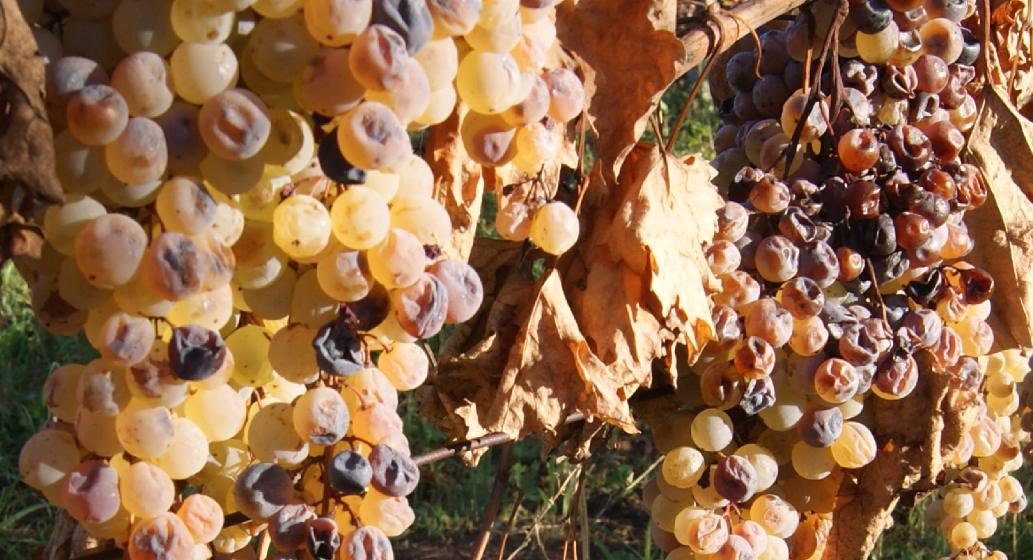
What Are the Ampelographic Characteristics of Cannellino?
The Cannellino grape variety is distinguished by a series of morphological traits that define its identity, from the analysis of its shoots to the shape and color of the berry.
What do Cannellino's Shoots and Buds Look Like?
The shoots are robust and vigorous, with colors ranging from "light cinnamon" to "dark cinnamon" or "reddish," often striped. The tip of the bud is generally downy, with a yellow-bronze or white-green color, sometimes with pink or carmine margins.
What Are the Characteristics of the Cannellino Leaf?
The leaf is typically medium-sized, quinquelobate or pentalobate, with an orbicular or slightly reniform blade, often folded. The upper surface can have a thick, wrinkled, and rough texture, while the lower surface is slightly downy or setose. The color is dark green, sometimes with yellowish spots or vermilion streaks.
What are the Flower, Bunch, and Berry of Cannellino Like?
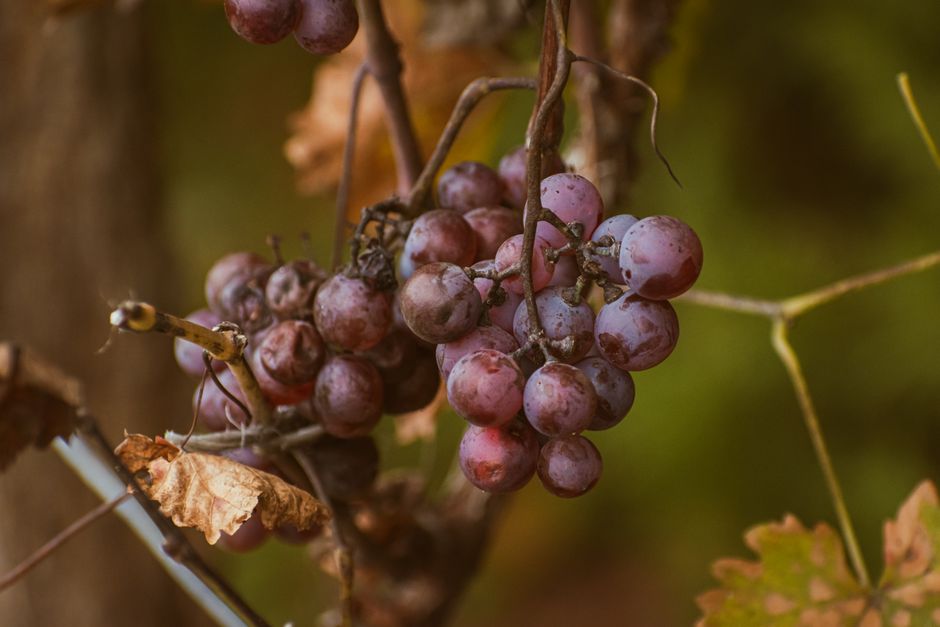
The Cannellino flower opens early or mid-season, but it can be delicate in nature. The bunch is of variable size, from medium to voluminous, with a conical or pyramidal shape, often elongated and sometimes winged. The berries are dense, medium-sized, with an oval or truncated-ellipsoidal shape. The skin is of medium to high thickness, firm, resistant, and abundantly covered with bloom. The color varies from red-violet to blue-black, or amber-yellow for some varieties.
What Are the Environmental and Cultivation Requirements for Cannellino?
The Cannellino grape variety demonstrates remarkable adaptability to different soil types, preferring cool, fertile, and deep soils, but also thriving in clay-calcareous or tuffaceous soils. Sunny exposures, particularly southern-facing ones, are ideal for its development.
How is Pruning and Training Managed for Cannellino?
Cannellino adapts well to expansive forms with long pruning, or to systems such as cordon or pergola. The plant's vigor is generally medium to high, with a strong shoot-producing capacity. Irrigation can increase production, but at the expense of wine quality.
What is Cannellino's Sensitivity to Diseases and Adversities?
Cannellino exhibits variable sensitivity to vine diseases. It is susceptible to downy mildew and powdery mildew but shows average resistance to grey rot. It suffers little from cryptogams and winter frosts, thanks to the robustness of its shoots.
What Are the Characteristics of Cannellino Must and Wine?
The characteristics of Cannellino must indicate a sugar potential ranging from 17.0-20.0% to 23%, with an acidity varying from 7.0-10.0‰ to 3.5-4.0 g/l.
The wine obtained from Cannellino is generally described as medium-bodied, full-bodied, harmonious, and slightly acidic, with a fresh and neutral flavor. Other descriptions speak of a straw-yellow colored wine, harmonious, velvety, and sapid.
For Which Wine Types is Cannellino Suitable?
Depending on the harvest time and vinification techniques, Cannellino can be used to produce common table wine, a base for sparkling wines, or dessert or fortified wines from late harvests. It is rarely used for distillation.
What is the Export Potential of the Cannellino Grape Variety?
The international wine market is increasingly seeking authenticity and diversity. Cannellino, with its specific origins and distinctive characteristics, possesses interesting potential for export, although it requires a targeted strategy.
What Are the Key Factors for Exporting Cannellino?
- Niche and Authenticity: Cannellino can attract consumers and importers looking for novelties and wines that tell a specific territorial story. Its Eastern origins, if well-communicated, can be a strong point.
- Versatility: Cannellino's ability to produce different types of wine offers flexibility for wineries to adapt to the demands of different markets.
- Agronomic Resilience: Its robustness and good adaptability make it potentially interesting for areas with specific environmental challenges or for sustainable agricultural practices.
- Storytelling: The grape's history, its origins, and its rediscovery can constitute a compelling narrative for the end consumer and for foreign buyers.
What Are the Challenges and Considerations for Exporting Cannellino?
- Market Knowledge: Cannellino is not a widely known grape variety. It will be crucial to invest in marketing and communication to educate potential importers and consumers about its qualities.
- Positioning: Defining a clear positioning is crucial. One could focus on fresh and easy-drinking wines, or on more complex and refined expressions, emphasizing its uniqueness.
- The Italian Territory: The presence of Italian wineries cultivating or interested in Cannellino can facilitate the creation of an aggregated and more competitive offering in the international market.
Frequently Asked Questions About Exporting the Cannellino Grape Variety
Is the Cannellino Grape Variety Suitable for Cold Climates?
Cannellino suffers little from winter frosts, thanks to the robustness of its shoots, suggesting good resistance to cold.
What are the Main Markets of Interest for Niche Wines like Cannellino?
The international wine market is increasingly seeking authenticity and diversity, making markets that value indigenous grape varieties and unique stories potentially attractive.
What are the Typical Organoleptic Characteristics of Cannellino Wine?
The wine obtained from Cannellino is generally described as medium-bodied, full-bodied, harmonious, and slightly acidic, with a fresh and neutral flavor, or as straw-yellow colored, harmonious, velvety, and sapid.
The Cannellino grape variety exemplifies how even less widespread varieties can offer significant opportunities in the wine export sector. Its history, characteristics, and productive versatility make it an interesting candidate for wineries looking to diversify their offerings and conquer new markets. A marketing strategy focused on uniqueness and quality will unlock the full potential of this grape in the international oenological landscape.
Request a personalized demo to discover how Wines Export can help you export your unique wines.