Wines of Marche: Market Opportunities for Foreign Importers
The Marche region offers a wine heritage of great value, ready to be discovered by international markets. Foreign buyers and importers can expand their portfolio with quality wines, benefiting from a comprehensive overview of the region's potential, from its distinctive appellations to regulatory specifics for export. This article guides you in identifying opportunities and understanding the requirements for successful importing. Learn more: Federdoc — National Confederation of Italian Wine Protection Consortia.
Why Choose Wines from Marche?
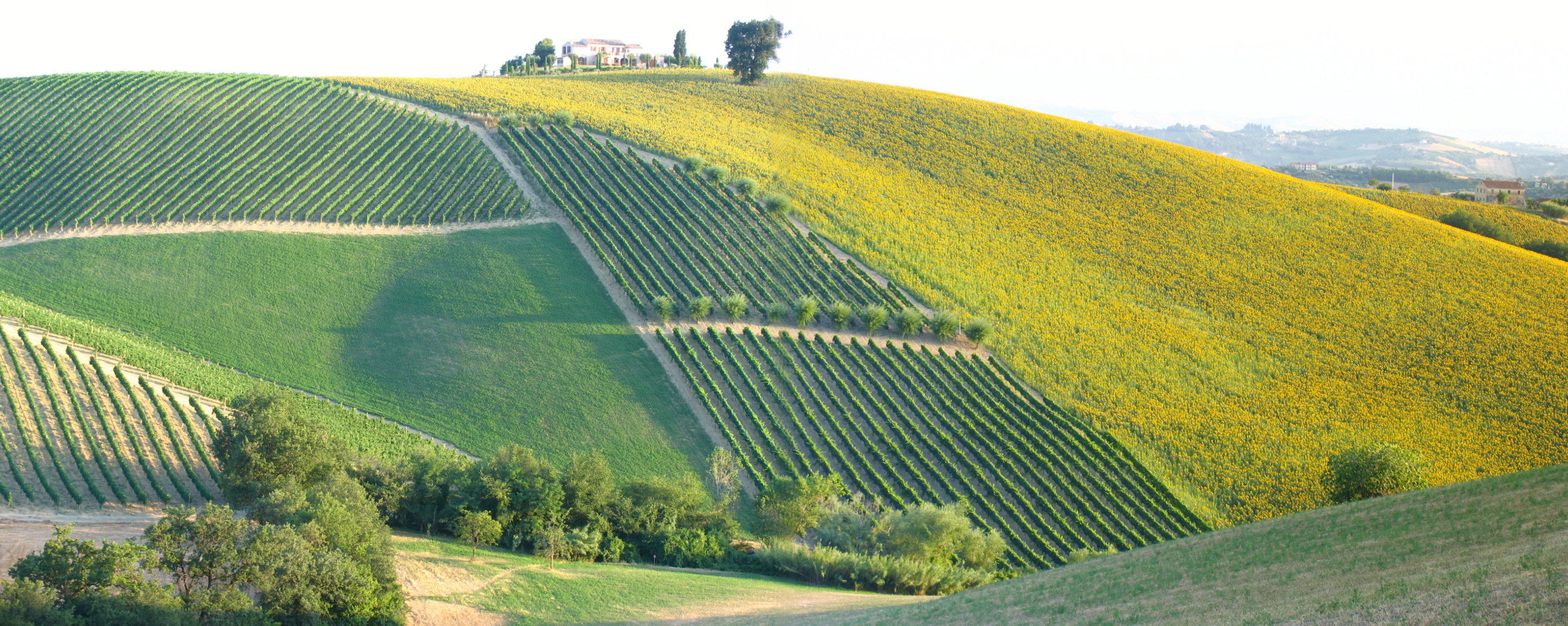
The Marche region, located in central Italy, boasts a geographical diversity that is reflected in its wine production. From hills sloping towards the Adriatic Sea to the Apennine Mountains, the territory offers different microclimates and soils, ideal for cultivating a wide range of indigenous and international grape varieties. This richness translates into wines with distinct identities, capable of telling the story and culture of the land.
The most prestigious Marche appellations include:
- Conero DOCG: A robust red wine, mainly obtained from Montepulciano grapes, which expresses the strength and minerality of the Conero promontory. It is a wine for aging, appreciated for its structure and complexity.
- Verdicchio dei Castelli di Jesi DOC and Verdicchio di Matelica DOC: These white wines, made from the Verdicchio grape, are among the most renowned in Italy. They offer elegant aromatic profiles with notes of almond, white flowers, and citrus. The Matelica version, in particular, is known for its distinct minerality and longevity.
- Rosso Conero DOC: A red wine that shares the characteristics of Conero DOCG, but with a slightly more flexible production rule, offering an excellent expression of Montepulciano.
- Offida DOCG: This appellation includes both red wines (from Montepulciano) and white wines (from Pecorino), demonstrating the region's versatility. Offida Rosso is a structured and long-lived wine, while Offida Bianco is fresh and aromatic.
- Falerio DOC: A dry white wine, often made from Trebbiano, Passerina, and Pecorino grapes, offering excellent drinkability and a pleasant aromatic profile, ideal for aperitifs and light dishes.
In addition to these main appellations, Marche produces a variety of IGT (Indicazione Geografica Tipica) wines that allow producers to experiment with innovative grape varieties and techniques, while always maintaining a strong connection to the territory.
What Characteristics Do Foreign Buyers Look for in Marche Wines?
Foreign buyers and importers are increasingly seeking wines that offer excellent value for money, a strong territorial identity, and a compelling story to tell their customers. Marche wines perfectly meet these needs.
Authenticity and Tradition
The strong identity of Marche appellations, linked to indigenous grape varieties like Verdicchio, Montepulciano, Pecorino, and Passerina, represents added value in an increasingly quality-conscious global market attentive to origin and tradition.
Gastronomic Versatility
Marche wines pair beautifully with a wide range of international cuisines. From Verdicchio, perfect with seafood and light dishes, to Rosso Conero, ideal for red meats and robust dishes, there is a Marche wine for every occasion.
Growth Potential
Many Marche appellations are still relatively unknown in some international markets, offering a unique opportunity for importers to introduce niche, high-quality products and build a competitive advantage.
Marketing Narrative
The story of the territory, the history of the wineries, and the winemaking traditions of Marche can be powerful marketing tools.
What Are the Requirements for Exporting Wine from Marche?
Exporting wine from Marche to foreign markets requires attention to specific regulatory and logistical requirements. While details vary significantly from country to country, some general principles are common.
What Documents Are Necessary for Export?
Preparing accurate documentation is crucial to avoid delays or customs rejections. Among the documents typically required are:
- Commercial Invoice: Must clearly state the product description, quantity, value, origin, and, in some cases, a declaration of authenticity.
- Certificate of Origin: Attests to the geographical origin of the wine. For some markets, a EUR.1 certificate may be required to benefit from preferential duties.
- Certificate of Analysis (COA): Provides details on the wine's chemical-physical and organoleptic characteristics, including sulfite levels.
- Compliant Labeling: Each market has specific labeling requirements, which may include mandatory languages, nutritional information, allergens, health warnings, and conformity marks. It is crucial to verify these requirements with the local importer or customs authorities before shipping, as they are not always clearly documented in generic ICE guides. For instance, mandatory labeling language, nutritional information, and health warnings must always be confirmed punctually.
- Certificate of Typicity: Required in some markets (e.g., Brazil) for wines with particular regional or varietal characteristics that do not fit local standards.
- Producer/Establishment Registration: Some countries require the foreign producing establishment to be registered with their agricultural authorities.
How Do Specific Market Regulations Work?
Customs and tax regulations vary significantly. It is necessary to understand how excise duties and tariffs are applied in the destination country. It is often useful to request a simulation of total costs (CIF + duties + taxes) before setting the FOB price. The importer must possess the necessary licenses to import alcoholic beverages. Understanding the market structure (e.g., state monopoly like in Norway, distribution through specialized importers, online channels) is essential for defining the commercial strategy.
What Is the Importance of Commercial Relationships?
Building a long-term, trusting relationship with the importer is a critical element for export success, especially considering logistical distances and management challenges. The importer plays a key role in navigating the complexities of the local market, from regulatory compliance to distribution.
What Strategies Should Be Adopted to Enter Foreign Markets?
Marche wineries looking to expand their international presence can benefit from various strategies.
Participation in Trade Missions and Fairs
Organized by entities like ICE Agency or Italian Wine Union, these missions offer pre-qualified B2B meetings and an opportunity to better understand target markets. Participation in international wine fairs allows for meeting buyers from around the world and presenting products directly.
Use of Digital Platforms
LinkedIn and specialized websites for Italian wine importers are effective channels for finding commercial partners.
Focus on Marketing Narrative
The story of the territory, indigenous grape varieties, and Marche traditions is a powerful marketing tool. Wineries that can effectively communicate these aspects will have a competitive advantage.
Wineries within the Wines Export pool in the Marche region are ready to collaborate with selected foreign importers, offering wines that embody the authenticity and quality of the Marche territory.
Frequently Asked Questions
What are the main wine appellations from Marche to consider for export?
The most prestigious appellations include Conero DOCG, Verdicchio dei Castelli di Jesi DOC, Verdicchio di Matelica DOC, Rosso Conero DOC, Offida DOCG, and Falerio DOC.
What types of wines are found in Marche?
Marche offers a wide range of wines, including robust reds like Conero DOCG and Rosso Conero (mainly from Montepulciano), and elegant whites such as Verdicchio dei Castelli di Jesi DOC and Verdicchio di Matelica DOC. The Offida DOCG designation includes both reds and whites.
Is a certificate of typicity required for exporting Marche wines?
A certificate of typicity may be required in some markets, such as Brazil, for wines with particular regional or varietal characteristics that do not fit local standards.
Wines from Marche represent an excellent opportunity for foreign buyers and importers seeking high-quality products with a strong territorial identity and significant market potential. Understanding the specificities of the appellations, the regulatory requirements for export, and adopting targeted commercial strategies are crucial steps for success. Wines Export is available to facilitate these processes, connecting the best Marche wineries with reliable international partners. Request a personalized demo